Skip to content
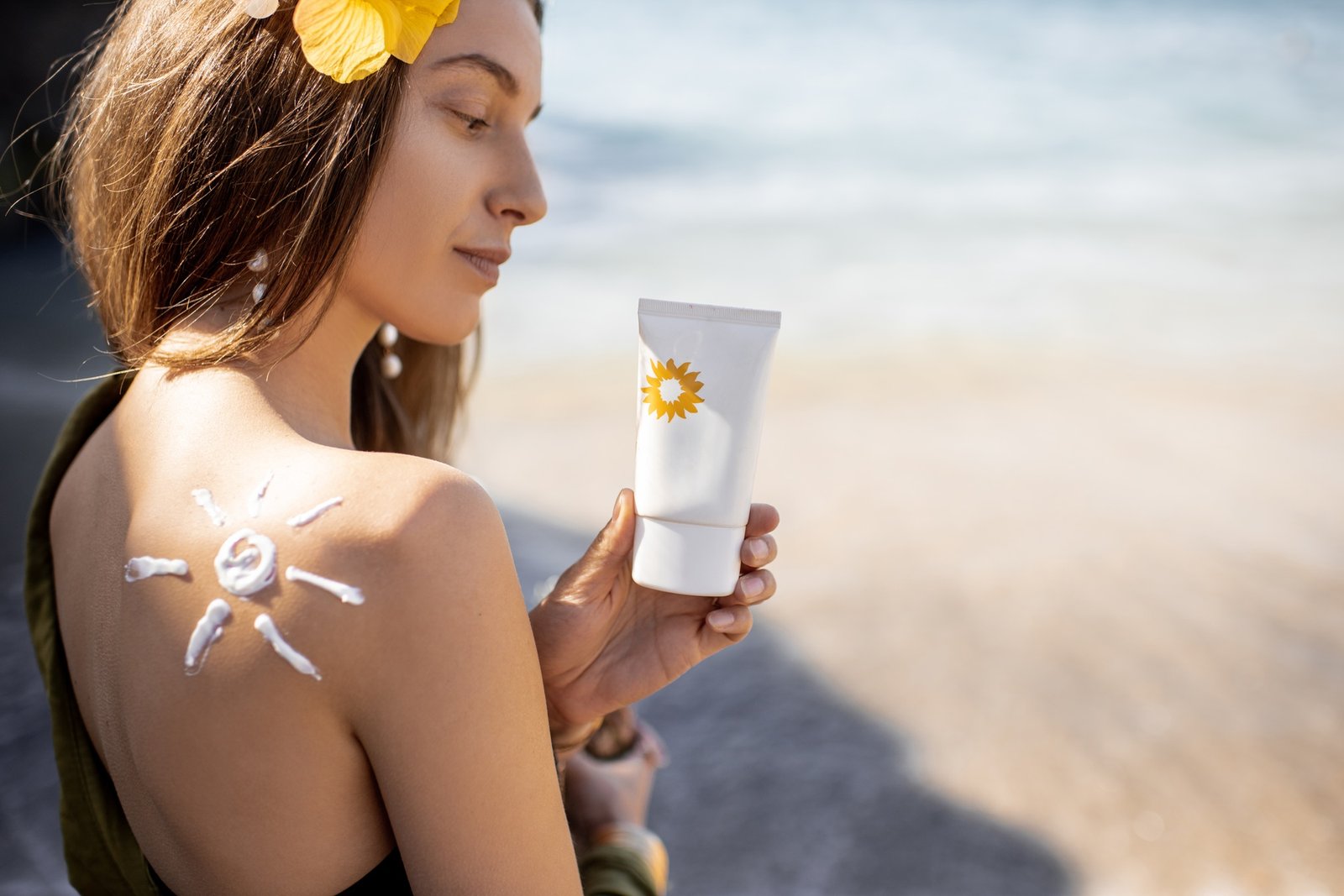
Sunscreen is a must-have in any skincare routine, especially for those who want to keep their skin protected from harmful UV rays. With summer approaching and more people becoming aware of the long-term effects of UV exposure, understanding how sunscreen is made can be as important as using it. But have you ever wondered what goes into making this essential product that keeps us safe from the sun?
Sunscreen is a blend of active and inactive ingredients designed to shield your skin from harmful UV rays. Made through a meticulous manufacturing process, sunscreen comes in various formulations, from lotions to sprays, and is essential in protecting against skin damage, aging, and skin cancer.
From raw materials to finished products, this guide will take you through the comprehensive steps involved in making sunscreen. Let’s explore how these essential skincare products are manufactured, what ingredients go into them, and how you can choose the right sunscreen for your skin.
What Are the Key Ingredients in Sunscreen?
Sunscreens contain both chemical and physical ingredients. Chemical filters absorb UV rays, while physical filters block them. Understanding these ingredients helps in choosing the right sunscreen for your skin type and needs.
Sunscreen formulations are created using a combination of active ingredients that either absorb or reflect UV rays, and other inactive ingredients to ensure the product is stable, effective, and pleasant to use.
Active Ingredients:
- Chemical Filters: Ingredients like avobenzone, oxybenzone, and octinoxate absorb UV rays and convert them into heat, preventing them from damaging your skin.
- Physical Filters: Zinc oxide and titanium dioxide are common mineral-based ingredients that physically block and scatter UV rays, providing broad-spectrum protection.
Inactive Ingredients:
- Emollients: These are used to keep the skin hydrated and smooth, like glycerin or shea butter.
- Preservatives: To ensure the sunscreen doesn’t spoil, preservatives like phenoxyethanol are used.
- Fragrance: Adds a pleasant scent but can be an irritant for sensitive skin, so many sunscreens are fragrance-free.
What Are the Raw Materials of Sunscreen?
Sunscreen starts with raw materials like UV filters, emollients, and preservatives. These materials are carefully combined and tested to ensure the sunscreen is both effective and safe for skin use.
The raw materials used in sunscreen are carefully selected to ensure optimal protection, consistency, and skin compatibility. These materials are sourced from both natural and synthetic origins, depending on the formulation type.
Common Raw Materials:
- UV Filters: Both chemical and physical UV filters are the foundation of sunscreen. These are the active ingredients responsible for blocking or absorbing UV radiation.
- Emollients: Used to help the product spread easily on the skin, emollients like dimethicone or cyclopentasiloxane add smoothness and moisture retention.
- Water: Water is often the base in many sunscreens, especially lotions and sprays, as it helps with consistency and ease of application.
- Thickeners and Stabilizers: Ingredients like xanthan gum or hydroxyethylcellulose give the sunscreen its desired texture and ensure it remains stable.
How Is Sunscreen Manufactured?
Sunscreen manufacturing involves several critical steps, including mixing, emulsification, and quality control. Each step is vital in ensuring that the final product provides reliable UV protection.
The production of sunscreen requires careful planning and precise processes. Here’s a look at the steps involved in making sunscreen:
The Manufacturing Process:
- Ingredient Sourcing: All raw materials are sourced, including the active ingredients (UV filters) and inactive ingredients (preservatives, emollients).
- Mixing and Blending: Ingredients are blended together, with chemical and physical filters being carefully combined with base substances like water or oils.
- Emulsification: This process ensures that water-based and oil-based ingredients mix properly and form a stable sunscreen formula.
- Quality Control: Samples are tested for SPF rating, stability, texture, and safety to ensure the final product meets the required standards.
- Packaging: Sunscreens are packaged into bottles, tubes, or sprays, with each batch undergoing a final check for consistency and quality.
Is There a Natural Form of Sunscreen?
Yes, natural sunscreens typically use mineral-based ingredients like zinc oxide and titanium dioxide, which are less likely to irritate the skin and provide physical barriers against UV rays.
Natural sunscreens are becoming increasingly popular due to consumer demand for cleaner, more eco-friendly products. These products typically use minerals rather than chemicals to protect the skin from UV radiation.
Natural Sunscreen Options:
- Mineral-based Sunscreens: These use zinc oxide and titanium dioxide to physically block UV rays. They are preferred for sensitive skin and are often advertised as reef-safe because they don’t contain harmful chemicals that can damage coral reefs.
- Plant-based Ingredients: Some natural sunscreens incorporate plant oils like coconut oil, almond oil, or green tea extract, which provide additional skin benefits but are usually used in lower SPF formulations.
What Is the Healthiest Sunscreen for Skin?
The healthiest sunscreen is one that offers broad-spectrum protection, is non-comedogenic (won’t clog pores), and is formulated for your skin type. Natural and hypoallergenic options are ideal for sensitive skin.
Selecting the healthiest sunscreen is key to preventing skin irritation, breakouts, and other sensitivities. Look for sunscreens that contain ingredients compatible with your skin type, and always choose a product with broad-spectrum protection.
Healthiest Sunscreen Features:
- Non-comedogenic: Choose sunscreens labeled non-comedogenic to avoid clogged pores and acne, especially if you have oily or acne-prone skin.
- Fragrance-Free: Many sunscreens contain fragrance, which can irritate sensitive skin. Fragrance-free options are a safer choice for sensitive skin types.
- Hypoallergenic: Ideal for those with allergies, hypoallergenic sunscreens are formulated with fewer irritating ingredients.
How Do Sunscreen Filters Work to Protect the Skin?
Sunscreen filters absorb or reflect UV rays to protect your skin. The difference between chemical and physical filters can impact how long protection lasts and how the sunscreen feels on your skin.
Sunscreen filters, both chemical and physical, play a crucial role in protecting the skin from UV radiation. Chemical filters absorb UV rays, while physical filters reflect them away from the skin.
How Filters Work:
- Chemical Filters: These absorb UV light and convert it into heat, which is harmless to the skin. Examples include octinoxate and avobenzone.
- Physical Filters: These create a physical barrier on the skin and reflect UV rays. Zinc oxide and titanium dioxide are common examples of physical filters.
How to Choose the Right Sunscreen for Different Skin Types?
Choosing the right sunscreen depends on your skin type. People with oily, dry, or sensitive skin all have different needs when it comes to sunscreen formulas.
Not all sunscreens are made the same, and understanding your skin type is essential for selecting the best product.
Sunscreen Tips for Different Skin Types:
- Oily Skin: Look for oil-free, mattifying sunscreens that won’t clog pores or contribute to acne.
- Dry Skin: Choose sunscreens with moisturizing ingredients like glycerin or hyaluronic acid to hydrate while protecting your skin.
- Sensitive Skin: Mineral sunscreens with zinc oxide or titanium dioxide are gentle on sensitive skin and provide non-irritating protection.
Conclusion: The Future of Sunscreen Manufacturing and Trends
As consumers demand safer, more eco-friendly products, the sunscreen industry is evolving with innovative, reef-safe, and organic formulations. The future of sunscreen is all about better protection and sustainability.
Sunscreen manufacturing is constantly evolving to meet new standards of safety, environmental friendliness, and consumer demand for natural products. The trend towards reef-safe, organic, and sustainable sunscreen formulations is shaping the future of skincare.
At Zerun cosmetic, we are dedicated to providing high-quality sunscreen products tailored to your needs, whether you’re looking for a private-label solution or a customized product. Contact us today for your sunscreen manufacturing needs and explore how we can help bring your skincare line to life.