Skip to content
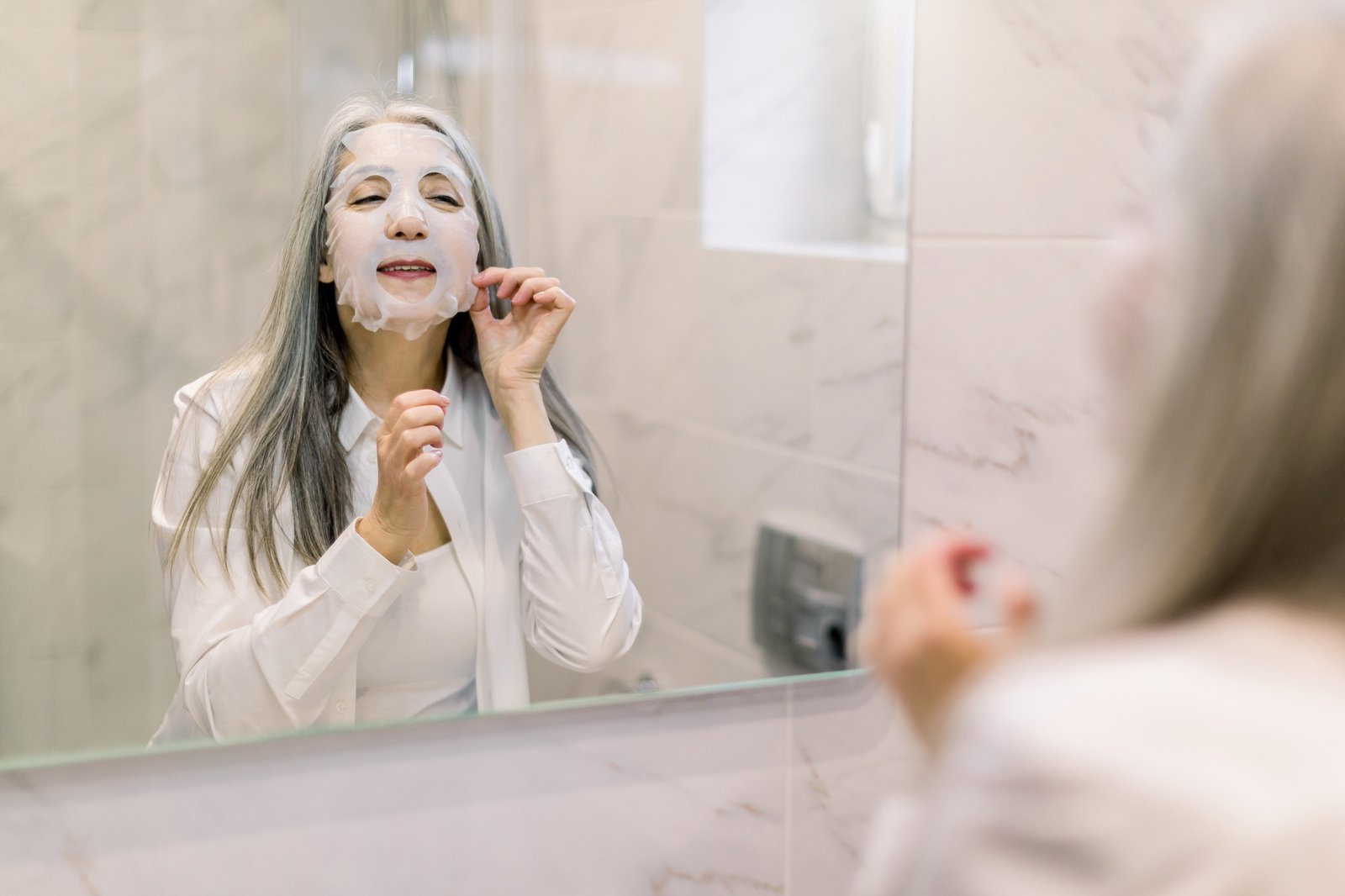
Facial masks have become a staple in many skincare routines due to their ability to deliver targeted benefits in a short amount of time. Whether you’re looking to hydrate, brighten, fight acne, or reduce the appearance of fine lines, there’s a facial mask out there to address your skin’s specific needs. But with so many options, how do you know which one is best for you? In this guide, we’ll break down everything you need to know about facial masks and help you navigate through the various types and their benefits.
Facial masks are designed to address a wide range of skin issues like hydration, acne, and aging. In this ultimate guide, we explore the different types of masks, how they work, and how to choose the right one for your skincare needs.
What is a Facial Mask?
A facial mask is a skincare treatment applied to the skin to help with specific skin concerns. They come in a variety of forms and are often packed with potent ingredients to give your skin an extra boost. Masks are typically left on for a short period of time,usually 10-30 minutes,before being removed, allowing the active ingredients to penetrate deeply and work their magic.
- Different Types of Facial Masks: There are sheet masks, clay masks, peel-off masks, cream masks, and more. Each type offers its own set of benefits depending on your skin type and concerns.
- Common Active Ingredients: Ingredients like hyaluronic acid for hydration, salicylic acid for acne, and vitamin C for brightening are commonly used in facial masks.
- Duration and Usage: Generally, facial masks are applied for 10-30 minutes. Overuse or leaving them on too long can sometimes irritate the skin, so it’s important to follow the directions carefully.
How Do Facial Masks Work?
Facial masks work by forming a barrier on your skin that allows active ingredients to penetrate deeper. They trap moisture, help exfoliate dead skin cells, and allow the skin to absorb ingredients more effectively than a regular moisturizer.
- Hydration: Hydrating masks provide moisture to dry skin by replenishing lost water content, typically through ingredients like hyaluronic acid and glycerin.
- Detoxification: Clay masks are great for detoxifying the skin, drawing out impurities, and controlling excess oil production. They typically contain ingredients like kaolin or bentonite clay.
- Brightening: Masks containing vitamin C or other antioxidants help reduce the appearance of dark spots, uneven skin tone, and dullness, giving the skin a healthy glow.
What Are the Different Types of Facial Masks?
Facial masks come in several different types, each designed to address specific skin concerns. Let’s break them down:
| Type | Best For | Key Ingredients | How It Works |
|---|---|---|---|
| Sheet Masks | Hydration, soothing, brightening | Hyaluronic acid, collagen, aloe vera | A fiber sheet soaked in a concentrated serum that delivers moisture and nutrients |
| Clay Masks | Oily and acne-prone skin, detoxifying | Kaolin, bentonite clay, charcoal | Absorbs excess oil, unclogs pores, and detoxifies the skin |
| Peel-Off Masks | Removing dead skin, exfoliation | Salicylic acid, glycolic acid | Exfoliates the skin and removes dead skin cells when peeled off |
| Cream Masks | Dry or mature skin, nourishment | Shea butter, vitamin E, ceramides | Provides intense moisture and nourishment, leaving skin soft and smooth |
| Overnight Masks | Deep hydration and replenishment | Hyaluronic acid, peptides, aloe vera | Used overnight for intense hydration and repair while you sleep |
Dive Deeper:
- Sheet Masks: These masks are pre-soaked in a serum and fit over the face like a second skin. They’re great for a quick hydration boost and are easy to use, especially when you’re on the go.
- Clay Masks: Ideal for oily or acne-prone skin, clay masks deeply cleanse the pores and control sebum production. They help detoxify the skin and reduce shine, leaving the skin matte.
- Peel-Off Masks: These masks are usually thicker and are applied in a layer over the face. Once the mask is dried, you can peel it off, taking dead skin cells and impurities with it.
- Cream Masks: Cream masks are rich and nourishing, often used for dry or sensitive skin. They replenish moisture and improve skin texture.
- Overnight Masks: These masks are designed to be worn overnight and are perfect for those needing intensive hydration or skin repair.
What Are the Benefits of Using a Facial Mask?
Facial masks provide numerous benefits for your skin, depending on the type of mask you choose. Below are some of the key benefits:
- Deep Hydration: Masks can penetrate deeper into the skin than regular moisturizers, providing more intense hydration.
- Exfoliation: Some masks help to remove dead skin cells, allowing for smoother, more radiant skin.
- Improved Skin Texture: Regular use of masks can improve skin tone, smoothness, and elasticity.
- Targeted Treatment: Masks can be formulated with ingredients that target specific skin concerns, such as acne, hyperpigmentation, or fine lines.
Which Facial Mask Is Right for You?
Choosing the right mask depends on your skin type and the results you’re looking to achieve. Here are a few tips:
- Dry Skin: Look for hydrating masks with ingredients like hyaluronic acid or glycerin.
- Oily Skin: Choose clay or charcoal masks to help absorb excess oil and prevent clogged pores.
- Sensitive Skin: Opt for soothing masks that contain ingredients like aloe vera or chamomile.
- Anti-Aging: Look for masks with vitamin C, peptides, or retinol to help reduce fine lines and improve skin elasticity.
How Often Should You Use a Facial Mask?
While masks can be a great addition to your skincare routine, overuse can lead to irritation or clogged pores. It’s best to use masks 1-2 times per week, depending on your skin’s needs.
- Frequency for Oily Skin: Oily or acne-prone skin may benefit from using a clay or detoxifying mask more frequently, up to 2-3 times per week.
- Frequency for Dry Skin: Dry skin benefits from hydrating masks, but it’s essential not to overdo it. Once or twice a week should suffice.
- Frequency for Sensitive Skin: For sensitive skin, stick to gentle, soothing masks, using them once a week to avoid irritation.
Conclusion: How to Choose the Right Facial Mask for Your Skin
Facial masks are a great way to address your skin’s specific concerns and provide a boost of nourishment. By selecting the right mask for your skin type, you can target issues like dryness, oiliness, acne, and signs of aging. Regular use of facial masks can help you achieve a more radiant, hydrated, and youthful complexion.
Want to enhance your skincare routine even further? Reach out to Zerun cosmetic for custom skincare solutions tailored to your brand’s unique needs. We specialize in creating high-quality, effective skincare products, from masks to moisturizers, with your custom branding and formulations.