 Skip to content
The Difference Between OEM And ODM
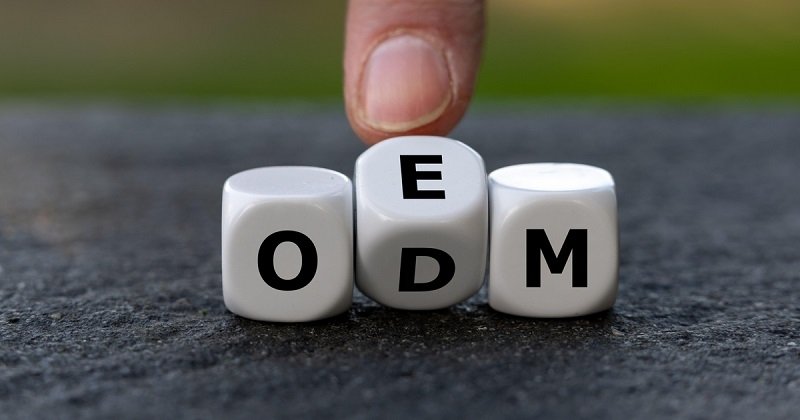
In today’s dynamic manufacturing landscape, the terms OEM (Original Equipment Manufacturing) and ODM (Original Design Manufacturing) have become critical in shaping how products are created and customized. Manufacturers, brands, and consumers alike are increasingly interested in understanding these models to make informed decisions.
OEM refers to a manufacturing process where a company produces products based on another brand’s design, while ODM involves complete product design and manufacturing services. This succinct overview helps clarify the fundamental difference between the two models, empowering decision-makers to choose the best option for their business needs.
What Are OEM and ODM?
OEM means producing products based on another company’s design, while ODM involves designing and manufacturing products for clients. Both models empower brands but differ in creative control and responsibilit
Definitions and Basic Concepts
OEM stands for Original Equipment Manufacturing. In this model, a manufacturer produces goods that are eventually marketed under another company’s brand. The client supplies the design, and the OEM executes production at scale. ODM, or Original Design Manufacturing, goes a step further by offering both product design and manufacturing services. Clients often rely on ODM partners to create new products from concept to finished goods.
Understanding these terms is crucial for companies looking to scale their product lines without investing heavily in in-house design and production capabilities. OEM is ideal when you have a clear product design and simply need a partner to bring your vision to life. Conversely, ODM is beneficial if you require innovative ideas and comprehensive product development.
Historical Background
Historically, OEM was popularized in industries like electronics and automotive, where brands would outsource production while retaining design control. As markets evolved, ODM emerged to meet growing demand for innovative, turnkey solutions, especially in consumer goods and personal care sectors. Today, many companies, including cosmetic brands, benefit from both models to meet diverse market needs.
Key Differences in Ownership and Intellectual Property
- OEM: The client owns the design and intellectual property (IP). The manufacturer’s role is purely production-focused.
- ODM: The manufacturer often holds the IP for the product design, providing a complete package solution. The client can choose to license or customize the design.
| Feature | OEM | ODM |
|---|---|---|
| Design Ownership | Client-owned | Manufacturer-owned (or co-developed) |
| Customization Level | High (client-driven) | Moderate to high (manufacturer suggests ideas) |
| Product Development | Limited (client supplies design) | Extensive (design to production) |
| Cost Efficiency | Can be lower if design is ready | May include design fees but offers turnkey solution |
| Time-to-Market | Dependent on design finalization | Typically faster with integrated processes |
How Do OEM and ODM Differ in Terms of Design, Production, and Customization?
OEM relies on client-supplied designs for production, whereas ODM provides end-to-end product design and manufacturing. These differences significantly impact customization levels, production timelines, and innovation.
Design Philosophy
OEM companies focus on manufacturing efficiency by strictly adhering to the client’s provided design. This means that while production can be optimized for cost and consistency, there is minimal room for creative input. ODM companies, however, thrive on innovation, offering design consultation and creative input during product development. This often leads to products that not only meet market trends but can also establish new standards in design.
Example: Cosmetic Packaging
Consider the cosmetic industry, where packaging design is crucial. An OEM partner would produce packaging exactly as specified by the brand, ensuring consistency with the brand’s identity. An ODM partner, however, might suggest new, ergonomic packaging designs that appeal to modern consumers, adding value beyond mere replication.
Production Process
The production processes in OEM and ODM models differ significantly. In OEM, the production line is optimized for high-volume manufacturing based on established blueprints, often resulting in lower unit costs. ODM production integrates design and development phases, which can initially be more resource-intensive but ultimately lead to innovative products that stand out in competitive markets.
Data Insight: Production Cycle Comparison
A comparative study in the electronics sector revealed that OEM processes typically have a production cycle of 4-6 weeks, while ODM processes, due to integrated design phases, can take 6-8 weeks. However, the final product quality and market appeal often justify the slightly extended timeline for ODM.
Customization Options
Customization is at the heart of today’s consumer-driven market. OEM manufacturers allow brands to inject their unique identity into products by using their own designs, which can lead to highly personalized products. ODM manufacturers, on the other hand, offer a variety of customization options from design tweaks to complete product redesigns. This approach is particularly valuable for brands seeking to innovate or enter markets with emerging trends.
Which Industries Benefit Most from OEM and ODM Models?
Industries like electronics, automotive, and cosmetics benefit from OEM for cost-effective production, while ODM is favored in consumer goods and personal care sectors for innovative product development.
Industries Leveraging OEM
OEM is prevalent in industries where standardization and efficiency are key.
- Electronics: Many tech companies outsource manufacturing to OEMs for products like smartphones and computers.
- Automotive: Car manufacturers rely on OEMs for components and parts production.
- Home Appliances: OEM partners produce standardized components for large-scale assembly lines.
In these industries, the ability to maintain consistent quality while keeping production costs low is essential. The client’s control over design ensures brand identity is maintained without sacrificing efficiency.
Industries Embracing ODM
ODM finds its niche in industries that require continuous innovation and flexibility.
- Cosmetics and Skincare: ODM is widely used to develop unique formulations and packaging, responding quickly to changing consumer preferences.
- Fashion and Apparel: Brands often use ODM for developing new designs that set trends in the market.
- Consumer Electronics: In segments where aesthetics and functionality are equally important, ODM partners help create products that blend design and performance.
| Industry | OEM Applications | ODM Applications |
|---|---|---|
| Electronics | Smartphones, Computers | Innovative wearable tech |
| Automotive | Engine parts, Chassis | Integrated vehicle electronics |
| Cosmetics | Standard skincare formulations | Customized skincare and packaging |
| Fashion | Basic apparel production | Trendsetting designs and collections |
Is Quality Control and Cost Efficiency Managed Differently in OEM Versus ODM?
OEM typically ensures lower production costs and strict adherence to client designs, while ODM might incur higher costs initially but offers integrated quality control that enhances product innovation and market appeal.
Quality Assurance Practices
Quality control is a cornerstone for both OEM and ODM, yet the methods differ.
- OEM: Quality checks are generally focused on maintaining consistency with the client’s specifications. This involves rigorous testing protocols and standardized processes.
- ODM: Since ODM providers control both design and production, they implement a holistic quality assurance system that covers product innovation, design accuracy, and production efficiency.
Example: Cosmetic Formulations
In the cosmetics industry, OEM manufacturers might strictly follow the client’s pre-approved formulations, ensuring each batch meets exact standards. In contrast, ODM manufacturers might perform iterative testing on new formulations, optimizing for efficacy and skin compatibility before finalizing the product.
Cost Structures and Efficiency
Cost efficiency is another significant differentiator.
- OEM: Generally provides cost savings when the design is already optimized for production. The focus is on scale, which often results in lower unit costs.
- ODM: While the integrated design services may lead to higher upfront costs, the potential for innovation and differentiation can result in better market performance, often justifying the initial expense.
| Cost Factor | OEM | ODM |
|---|---|---|
| Initial Design Cost | Minimal (client-supplied) | Higher (integrated design fee) |
| Production Cost/Unit | Low (high volume benefits) | Moderate (customization premium) |
| Quality Control Expense | Standard testing procedures | Enhanced, iterative testing |
| Overall Investment | Lower, if design is ready | Higher, but with innovation yield |
Balancing Quality and Cost in a Competitive Market
For businesses operating in competitive markets, the decision often boils down to the balance between cost and quality. Brands with strict budget constraints might favor OEM’s lower production costs, whereas brands aiming to break into niche markets or create premium products might invest in ODM’s comprehensive quality control measures.
In a dynamic market environment, ensuring that quality control and cost efficiency are not mutually exclusive is essential for long-term brand success.
Are There Market Trends and Consumer Demands That Influence the Choice Between OEM and ODM?
Emerging market trends, evolving consumer demands, and global economic shifts significantly influence whether brands opt for OEM or ODM, with many leaning toward integrated solutions for innovation and sustainability.
Emerging Trends in Consumer Preferences
Consumers today are more informed and have higher expectations regarding product quality and innovation.
- Customization: There is a growing demand for personalized products, pushing brands toward models that offer greater flexibility.
- Sustainability: Eco-friendly practices are influencing product design and production methods, favoring ODM partners who can innovate with sustainable materials and processes.
- Technology Integration: The rise of smart technologies in everyday products encourages brands to collaborate with ODMs that have R&D capabilities.
Example: The Skincare Revolution
Modern skincare consumers demand products that are not only effective but also tailored to their unique needs. ODM providers in the cosmetic industry are responding by integrating advanced formulations with natural ingredients, leading to products that combine innovation with sustainability.
Global Economic Influences
Global market shifts, including economic fluctuations and trade policies, also affect the choice between OEM and ODM.
- Cost Pressures: Economic pressures often push companies to seek cost efficiencies through OEM when production volumes are high.
- Innovation Investment: Conversely, in booming markets, brands may invest more in ODM to differentiate themselves from competitors.
Critical Considerations for Brands
When deciding between OEM and ODM, brands must ask:
- What consumer trends are most relevant to our target market?
- Which model aligns best with our long-term brand vision?
- How can we integrate sustainability without compromising quality?
Through critical analysis and market research, brands can develop strategies that not only meet current consumer demands but also anticipate future trends.
Do OEM and ODM Offer Sustainable Solutions for Global Brand Expansion?
Both OEM and ODM offer pathways to global expansion, yet ODM’s integrated approach tends to provide more sustainable, innovative solutions, while OEM ensures efficiency and consistency in production.
Long-Term Benefits of Each Model
- OEM:
- Scalability: Offers proven methods to scale production rapidly, ensuring products reach a global market efficiently.
- Cost Management: Maintains cost efficiency over large production runs.
- Consistency: Ensures high quality and brand consistency over time.
- ODM:
- Innovation-Driven Growth: Emphasizes product development and design, which can set new industry standards.
- Market Adaptability: Provides the flexibility needed to adapt to market trends and consumer feedback.
- Integrated Solutions: Combines design and manufacturing, which may streamline processes and reduce time-to-market.
Sustainability Challenges and Solutions
Sustainability isn’t just about using eco-friendly materials—it’s also about ensuring long-term business viability.
- OEM sustainability:
- May focus on cost-effective production but sometimes at the expense of innovation.
- Can benefit from sustainable practices if the client mandates eco-friendly design elements.
- ODM sustainability:
- Offers more opportunities to integrate sustainable innovations from the design stage.
- Can adapt faster to environmental regulations and consumer demands for green products.
Example: Sustainable Cosmetic Production
Consider a cosmetic brand aiming to reduce its carbon footprint. By partnering with an ODM factory, the brand can work with experts to reformulate products using biodegradable ingredients and sustainable packaging. This integrated approach not only meets consumer expectations but also aligns with global environmental trends.
Future Outlook and Global Trends
The future of manufacturing in a globalized market increasingly leans towards sustainability and innovation. Both OEM and ODM models are evolving:
- OEM is incorporating digital technologies to enhance efficiency.
- ODM is leveraging advanced R&D capabilities to produce groundbreaking products that anticipate market shifts.
Critical Questions for Decision-Makers
- Do the benefits of integrated design justify the potentially higher initial investment in ODM?
- Which model better supports long-term sustainability and innovation in our industry?
- How can data analytics help optimize quality control and production costs across both models?
Companies that can answer these questions strategically are likely to secure a competitive advantage on the global stage.
Conclusion
Choosing between OEM and ODM involves weighing the trade-offs between control, innovation, cost, and sustainability. By understanding the detailed nuances of both models, you can make informed decisions that align with your brand’s goals. Whether you need high-volume production with precise design replication or a complete product development solution that sparks innovation, the right manufacturing partner is key to your success. Remember, every business has unique needs, and the journey from concept to market is best navigated with expert support.
Thank you for taking the time to explore this deep dive into OEM versus ODM. Whether you’re a small business looking to customize products for niche markets or a high-end brand seeking innovation and quality, the choice between OEM and ODM is pivotal. Let Zeun Cosmetic Factory be your partner in navigating this decision and transforming your vision into market success. Contact us today to start your journey toward exceptional, tailor-made products that stand out in a crowded global marketplace.
Can't find the answers?
Here, developing your OEM/ODM private label skin care products collection is no longer a challenge,it’s an excellent opportunity to bring your creative vision to life.
Make A Sample First?
If you have your own artwork, logo design, or just a concept for your cosmetic or skincare product, we recommend starting with a sample. Share your project details with us, including your preferred packaging style, design elements, and customization preferences. Our team is here to guide you through the sample production process, ensuring that your private label products perfectly align with your vision. By making a sample first, you’ll be able to see the quality, design, and overall feel of your custom cosmetics or skincare packaging before moving forward with larger production.