 Skip to content
What Is Retinol Eye Cream Good For
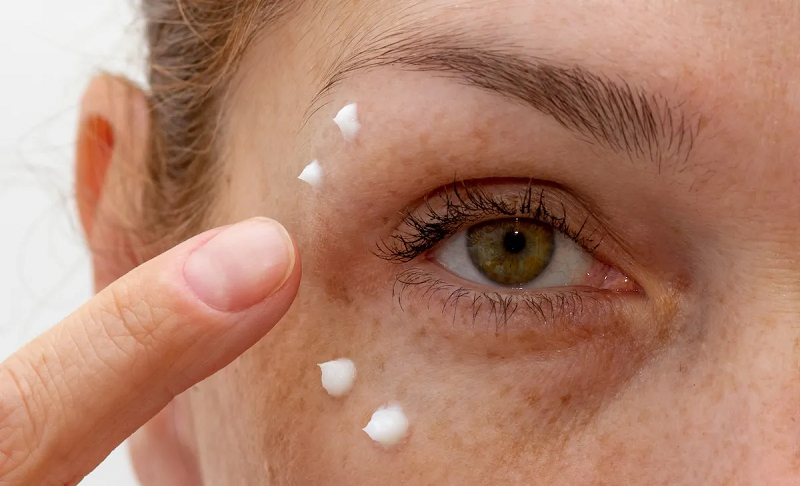
They say the eyes are the windows to the soul, but aging can dim that sparkle. Puffiness, dark circles, and fine lines can make us look tired before our morning coffee even kicks in.
Retinol eye creams harness vitamin A derivatives to boost collagen, speed up cell turnover, and smooth fine lines around the eyes. They also fade dark circles, reduce puffiness, and refine skin texture, offering a comprehensive anti-aging solution for delicate under‑eye skin, often visible within 8–12 weeks of consistent use. Daily application ensures maximum effectiveness.
What Is Retinol Eye Cream and How Does It Benefit the Eye Area?
Retinol eye cream is a vitamin A derivative that revitalizes the delicate eye area by accelerating cell turnover, boosting collagen production, and evening out skin tone, resulting in smoother, firmer skin around your eyes.
Definition of Retinol and Eye Cream Formulations
Retinol belongs to the retinoid family—a class of vitamin A derivatives that includes prescription tretinoin and over‑the‑counter retinol esters. Unlike tretinoin, retinol must convert into retinoic acid within the skin to exert effects, making it milder but requiring more frequent or higher‑concentration application. Eye‑specific formulations typically buffer and encapsulate retinol in delivery systems like liposomes or silicon‑based microspheres. These carriers stabilize the molecule against light and oxygen, reduce free‑form retinol exposure (minimizing irritation), and ensure a controlled release over several hours—critical since periorbital skin is thinner (≈0.5 mm) and more sensitive than the cheek area (1–2 mm).
Cellular Mechanism at a Molecular Level
Once absorbed, retinol undergoes two oxidation steps: retinol → retinal → retinoic acid. Retinoic acid binds to intracellular retinoic acid receptors (RARs α, β, γ), modulating gene transcription. Upregulated genes include collagen type I and III synthesis pathways, while matrix metalloproteinases (MMPs) that break down collagen are downregulated. This dual action promotes a net gain in dermal collagen, improving skin firmness and elasticity. Additionally, retinol enhances hyaluronic acid synthase activity, boosting hydration and plumping the under‑eye trough.
Benefits for Delicate Periorbital Skin
Given its thin barrier, the eye area shows aging early. Retinol eye creams strengthen dermal–epidermal junctions, reinforcing cohesion and reducing transepidermal water loss. Users often report a 10–15% increase in skin thickness after 12 weeks, translating to visible wrinkle mitigation. Coupled with humectants like glycerin or sodium hyaluronate, these creams ensure moisture retention, which is vital for preventing the “crepey” texture that can develop from dryness.
Comparison with Peptides and Other Actives
While peptide serums (e.g., palmitoyl pentapeptide‑4) signal fibroblasts to produce collagen, retinol directly influences gene expression for structural protein synthesis. On the other hand, vitamin C targets oxidative damage and pigmentation. Using retinol in conjunction with peptides and antioxidants creates a triad of renewal (retinol), rebuilding (peptides), and protection (antioxidants), offering a comprehensive approach to periorbital rejuvenation.
Synergy of Supporting Ingredients
Cream formulas can incorporate soothing lipids—like ceramide NP or squalane—to rebuild the lipid barrier. Panthenol (pro‑vitamin B5) soothes inflammation, while niacinamide aids ceramide synthesis and evens tone. Some advanced formulations introduce bakuchiol, a plant‑based retinol alternative, to offer gentler night‑time renewal for ultra‑sensitive eyes. To maximize retention, thickening agents like xanthan gum ensure longer skin contact, while emollients reduce friction during application.
Which Common Eye Concerns Can Retinol Eye Cream Address?
Retinol eye cream effectively targets common under‑eye issues like fine lines, dark circles, puffiness, and uneven texture, offering a multi‑faceted approach to improve the overall appearance of your eye contour.
Fine Lines & Wrinkles
Retinol’s collagen‑stimulating effect plumps fine lines, smoothing crow’s feet and under‑eye furrows. For a deeper dive, rotating weekly between low‑ and medium‑strength formulas helps build tolerance without overloading delicate skin.
Dark Circles vs. Depigmentation
Dark circles often stem from hyperpigmentation or vascular dilation. Retinol boosts epidermal renewal, gradually lightening melanin‑rich cells and improving microcirculation. Pairing with arbutin or vitamin C can enhance brightening effects for a more uniform skin tone.
Puffiness & Anti‑inflammatory Effects
By accelerating lymphatic drainage and reducing oxidative stress, retinol can minimize under‑eye puffiness. When combined with anti‑inflammatory ingredients like green tea extract or caffeine, swelling visibly decreases through improved fluid dynamics.
Texture Improvement
Retinol refines skin texture by smoothing uneven patches and reducing lipid buildup in follicles. Over time, wrinkles and rough patches transition to a more uniform, silky surface—ideal for subsequent makeup application.
Preventative Care
In younger users, introductory retinol eye creams act as preventive armor, maintaining elasticity and curbing early collagen breakdown. Starting in your mid‑20s can extend the youthfulness window and delay signs of aging before they deepen.
How Long Does It Take to See Results from Retinol Eye Cream?
Visible improvements from retinol eye cream typically appear within 4–12 weeks, depending on concentration, skin sensitivity, and application frequency.
The timeline for retinol eye cream results hinges on concentration, skin baseline, and usage consistency. Lower concentrations (0.1%–0.25%) yield mild improvements after 4–6 weeks, while clinical strengths (0.3%–0.5%) can showcase visible changes by week 8.
| Timeline | Expected Changes |
|---|---|
| Weeks 0–4 | Skin acclimatizes; mild dryness or redness |
| Weeks 4–8 | Fine lines begin to soften; texture evens out |
| Weeks 8–12 | Noticeable wrinkle reduction; brighter tone |
| 12+ weeks | Continued collagen increase; firm elasticity |
How Should You Apply Retinol Eye Cream for Maximum Effectiveness?
For best results, apply a pea‑sized amount of retinol eye cream at night to clean, dry skin, gently patting around the orbital bone and gradually increasing use as tolerated.
Cleansing & Prepping Skin
Begin with a gentle, fragrance‑free cleanser to remove makeup and pollutants. Pat dry with a soft towel, ensuring no moisture residues that might dilute retinol or increase irritation.
Application Technique
Use your ring finger to deposit a pea‑sized dot on each under‑eye area. Gently pat and blend over the orbital bone, avoiding direct lash line contact to prevent irritation of the mucous membrane.
Frequency & Strength Ramp‑Up
Start by applying twice weekly for the first month. If no excessive redness or peeling occurs, increase to every other night, then nightly as tolerated—monitoring skin response at each step.
Layering with Other Products
Follow with a hydrating eye serum or moisturizer containing ceramides or hyaluronic acid. Avoid combining with strong acids (glycolic, salicylic) in the same routine; alternate days to minimize barrier disruption.
Morning Routine Considerations
Always apply broad‑spectrum sunscreen (SPF 30+) in the morning, focusing on the orbital area. Retinol increases UV sensitivity, so diligent sun protection is crucial to preserve gains and prevent pigmentation.
Is Retinol Eye Cream Safe for Sensitive Skin Around the Eyes?
When used in low concentrations and paired with hydrating ingredients, retinol eye creams are generally safe for sensitive eye areas with minimal irritation.
Choosing the Right Concentration
Sensitive skin benefits from starting at 0.1% retinol or microencapsulated formulas. These deliver controlled release, reducing immediate irritation while still promoting gradual renewal.
Sensitivity Testing
Perform a patch test on your inner forearm for three consecutive nights. If you experience excessive redness or itching, switch to a lower‑strength formula or extend the testing period before applying to your eyes.
Role of Moisturizing Ingredients
Look for formulas enriched with glycerin, squalane, and panthenol to reinforce hydration. These humectants and emollients counterbalance retinol‑induced dryness, maintaining a supple under‑eye barrier.
Interactions with Other Actives
Avoid using retinol simultaneously with benzoyl peroxide or high‑dose vitamin C to prevent oxidative degradation. Instead, schedule vitamin C for mornings and retinol for evenings to maximize each active’s potency.
Protective Measures
Incorporate soothing ingredients like colloidal oatmeal or madecassoside post‑retinol. If irritation persists, apply a hydrating mask once weekly and limit retinol use to twice per week until tolerance improves.
What Side Effects Can Occur and How Can You Minimize Them?
Common side effects—dryness, redness, and mild peeling—can be minimized by starting slowly, boosting hydration, and protecting skin from sun exposure.
Common Side Effects
Expect mild flaking, redness, or tingling during the initial adjustment phase. These signs indicate cell turnover; however, severe irritation warrants pausing application or switching to a gentler form.
Dryness vs. Peeling
Dry patches are common; apply a fragrance‑free moisturizer immediately after retinol. If peeling occurs, reduce frequency or switch to an encapsulated retinol formulation for gentler release.
Preventive Hydration
Pre‑treat skin with a hyaluronic acid serum 10 minutes before retinol. This layering creates a hydration reservoir, decreasing transepidermal water loss and soothing irritation.
Soothing Ingredients
Post‑retinol eye creams containing niacinamide, bisabolol, or panthenol help calm inflammation. Use cool compresses or aloe vera gel to relieve acute redness and restore comfort.
When to Consult Professionals
If irritation persists beyond two weeks or you experience interfering swelling, consult a dermatologist. Professional guidance can include buffer creams or prescription‑strength retinoids tailored to your needs.
Which Retinol Eye Creams Are Best for Different Skin Concerns?
Top retinol eye creams vary by concentration and benefit—choose clinical‑strength for wrinkles, brightening blends for dark circles, or hydrating hybrids to support skin barrier.
Wrinkle‑Focused Formulas
Products like XYZ Clinical Retinol 0.5% Eye Serum offer high‑strength retinol paired with peptides, ideal for deep crow’s feet. Always start at 2–3 nights weekly to build tolerance and prevent over‑exfoliation.
Brightening Complexes
Formulas such as BrightEyes Retinol + Vitamin C blend 0.2% retinol with 10% vitamin C, targeting pigment and vascular discoloration. This combo accelerates cell turnover while inhibiting melanin synthesis.
Hydrating & Barrier‑Support
Select options like HydraShield Retinol Eye Cream, which pairs 0.1% microencapsulated retinol with squalane and ceramides to minimize irritation while delivering gradual anti‑aging effects.
Budget‑Friendly Picks
Affordable gems—such as DermBasics Retinol Eye Gel (0.15%)—provide entry‑level retinol therapy. While lacking luxury ingredients, they effectively smooth mild lines at an accessible price point.
Luxury vs. Clinical‑Grade
High‑end brands like LuxeAging Eye Elixir (0.3% retinol + gold microspheres) offer indulgent textures but often at premium prices. Clinical brands focus on evidence‑backed actives in minimalist formulas for maximum efficacy.
| Product Name | Retinol % | Key Benefit | Price (USD) | Suitable For |
|---|---|---|---|---|
| XYZ Clinical Retinol Eye Serum | 0.5% | Deep wrinkle reduction | $75 | Advanced aging, crow’s feet |
| BrightEyes Retinol + Vitamin C | 0.2% | Pigment correction | $65 | Dark circles, uneven tone |
| HydraShield Retinol Eye Cream | 0.1% (encap) | Hydration & barrier support | $55 | Sensitive skin |
| DermBasics Retinol Eye Gel | 0.15% | Fine line smoothing | $25 | Budget-conscious users |
| LuxeAging Eye Elixir | 0.3% | Antioxidant luxury | $120 | Premium skincare lovers |
| NaturePure Retinol Eye Complex | 0.25% | Vegan, natural combo | $45 | Clean beauty enthusiasts |
Conclusion
If you’re ready to offer your customers a scientifically backed, high‑performance retinol eye cream—customized to your brand’s specifications—Zerun Cosmetic factory is here to help. With years of skincare manufacturing experience, free formula design, complimentary samples, and full logo customization, we make OEM easy for small to medium buyers and high‑end brands alike.
Ready to elevate your eye care line? Contact Zerun Cosmetic today for a bespoke retinol eye cream solution that meets your quality, budget, and branding goals—and watch your clients’ eyes light up with results.
Can't find the answers?
Here, developing your OEM/ODM private label skin care products collection is no longer a challenge,it’s an excellent opportunity to bring your creative vision to life.
Make A Sample First?
If you have your own artwork, logo design, or just a concept for your cosmetic or skincare product, we recommend starting with a sample. Share your project details with us, including your preferred packaging style, design elements, and customization preferences. Our team is here to guide you through the sample production process, ensuring that your private label products perfectly align with your vision. By making a sample first, you’ll be able to see the quality, design, and overall feel of your custom cosmetics or skincare packaging before moving forward with larger production.