Skip to content
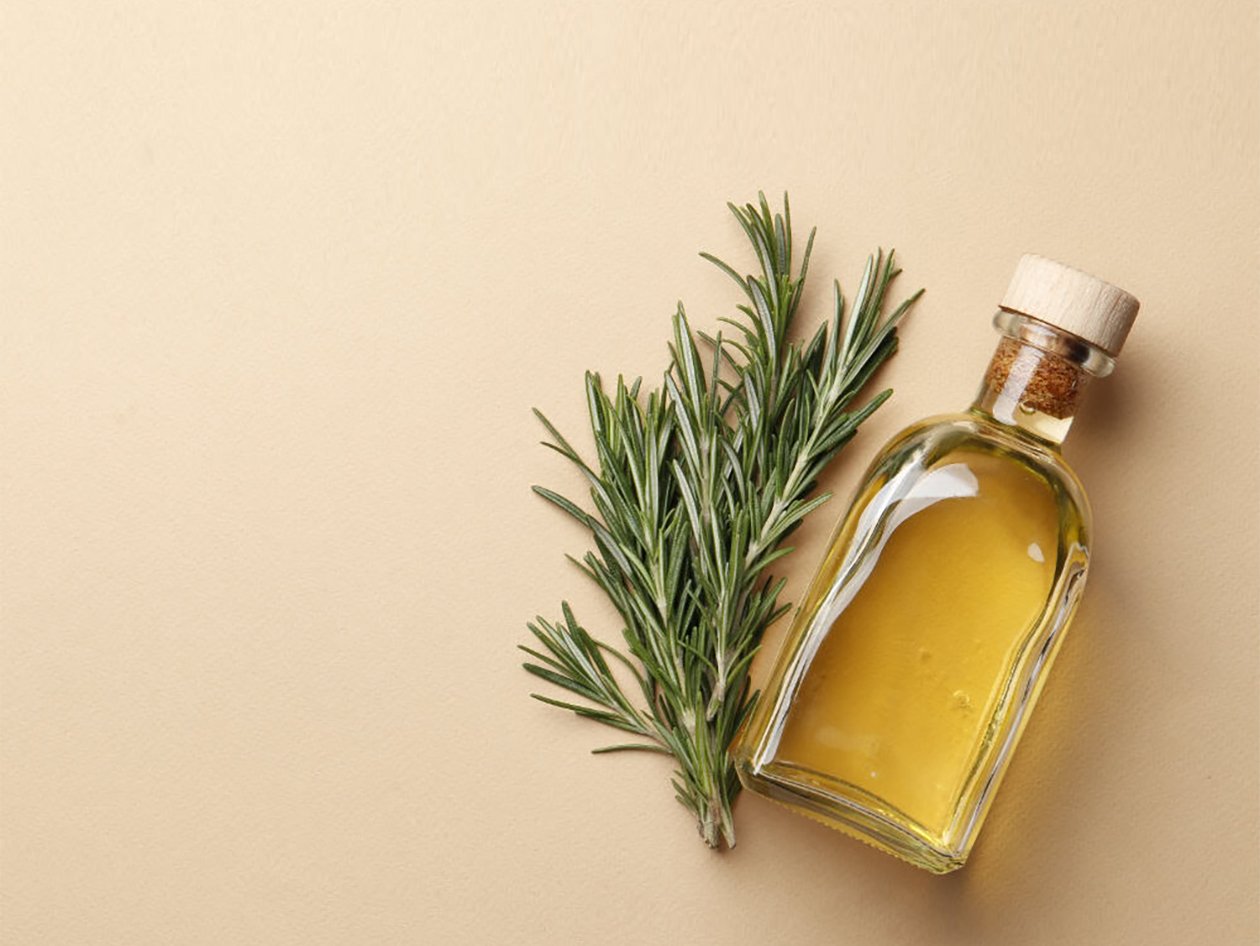
If you’ve been scrolling through hair growth hacks on TikTok or reading beauty forums, you’ve probably seen one ingredient taking center stage—rosemary oil. Loved by hairstylists, dermatologists, and natural beauty enthusiasts alike, this aromatic essential oil has become the latest obsession for those chasing thicker, fuller hair. But does it really work—or is it just another internet trend?
Rosemary oil helps stimulate hair growth by improving scalp circulation, reducing inflammation, and strengthening follicles. It’s best used diluted with a carrier oil and massaged into the scalp 2–3 times a week. Regular use promotes thicker, healthier hair over time by nourishing the scalp and minimizing hair thinning caused by stress or environmental factors.
In this guide, we’ll explore exactly how rosemary oil boosts hair growth—what it is, how to use it effectively, and how to avoid common mistakes. You’ll also learn proven application methods, expert tips, and product insights that can help you achieve visible results naturally. So, before you pour another drop of oil into your palm, let’s uncover the science and strategy behind this trending remedy.
What Is Rosemary Oil and How Does It Help Hair Growth?
Rosemary oil is a natural essential oil extracted from the leaves of the rosemary herb (Rosmarinus officinalis). It helps promote hair growth by improving blood circulation to the scalp, delivering more nutrients to follicles, and reducing inflammation. Regular application strengthens roots, minimizes breakage, and can even slow down premature hair thinning.
How Rosemary Oil Stimulates the Scalp
Rosemary oil is rich in compounds like cineole, camphor, and rosmarinic acid—ingredients known for their ability to enhance microcirculation. When massaged onto the scalp, it increases oxygen flow and nutrient delivery to dormant follicles. Over time, this revitalizes weak hair roots, encouraging stronger and thicker hair strands.
The Role of Antioxidants and Anti-Inflammatory Effects
Inflammation is one of the leading causes of hair loss, especially in conditions like scalp dermatitis or stress-related shedding. Rosemary oil contains potent antioxidants that help neutralize free radicals and soothe irritation. This not only improves scalp health but also supports the natural hair growth cycle.
Natural DHT Blocker Potential
While not a pharmaceutical treatment, rosemary oil is thought to inhibit dihydrotestosterone (DHT)—a hormone linked to pattern baldness. By slowing DHT’s binding to hair follicles, it may help reduce follicular shrinkage, leading to thicker and longer-lasting hair.
Comparing Rosemary Oil with Synthetic Treatments
Unlike harsh chemical treatments that can dry or irritate the scalp, rosemary oil provides a natural alternative with fewer side effects. It works gradually, making it ideal for those who prefer a long-term, sustainable approach to hair care.
Key Active Compounds in Rosemary Oil and Their Hair Benefits
| Active Compound | Primary Function | Hair Benefit |
|---|---|---|
| 1,8-Cineole (Eucalyptol) | Stimulates scalp circulation | Encourages new hair growth |
| Rosmarinic Acid | Anti-inflammatory and antioxidant properties | Reduces scalp irritation and dandruff |
| Camphor | Improves blood flow | Enhances nutrient delivery to follicles |
| Alpha-Pinene | Antimicrobial compound | Keeps scalp clean and reduces product buildup |
Think of rosemary oil as your hair’s personal trainer,it doesn’t perform miracles overnight, but it conditions, strengthens, and energizes your follicles so they can grow at their healthiest potential..
Which Types of Rosemary Oil (Essential vs. Infused) Are Best for Hair and Why?
Both essential and infused rosemary oils can support hair growth, but essential oil is more concentrated and potent, while infused oil is milder and safer for sensitive scalps. Essential oil delivers faster results when diluted properly, whereas infused oil is ideal for daily scalp massages or blending into shampoos and conditioners.
Choosing the Right Type for Your Hair Needs
Rosemary essential oil is steam-distilled from rosemary leaves, creating a highly concentrated liquid packed with volatile compounds. Because it’s potent, it should always be diluted with a carrier oil—such as jojoba, argan, or coconut oil—before applying to the scalp.
It is best for the people who seeking visible results for thinning or shedding hair.
What Is Rosemary-Infused Oil?
Rosemary-infused oil is made by soaking dried rosemary leaves in a carrier oil over time, allowing the nutrients to slowly release into the base oil. The result is gentler, aromatic, and more nourishing, though less intense.
It is best for those with sensitive scalps or anyone who prefers a mild, nourishing scalp treatment.
How to Choose Based on Your Hair Type
- Dry or Curly Hair: Infused oil works best, as it adds moisture and reduces frizz.
- Oily or Fine Hair: Essential oil blends are better, as they improve scalp circulation without weighing hair down.
- Color-Treated Hair: Opt for rosemary-infused oil with argan or grapeseed oil to maintain shine and protect pigment.
DIY or Store-Bought?
Making your own infused oil at home can be cost-effective and fun. However, essential oils should always be purchased from reputable sources to ensure purity and safety. Avoid synthetic fragrance oils—they don’t offer the same benefits.
Essential vs. Infused Rosemary Oil
| Feature | Rosemary Essential Oil | Rosemary-Infused Oil |
|---|---|---|
| Concentration | Very high; must be diluted | Mild; safe for direct use |
| Best Use | Stimulating hair growth, scalp treatments | Daily nourishment, frizz control |
| Suitable For | Oily or thinning hair | Dry, curly, or sensitive hair |
| Application Frequency | 2–3 times per week | Can be used daily |
| Shelf Life | 2 years (properly stored) | 6–12 months |
If you’re new to rosemary oil, start with an infused blend. Once your scalp adjusts, incorporate a diluted essential oil treatment once or twice a week for stronger results.
How Should Rosemary Oil Be Diluted and What Are Safe Concentration Ratios
Rosemary essential oil should always be diluted before applying to the scalp. The safe concentration is about 2–3 drops of rosemary oil per teaspoon (5 mL) of carrier oil, such as jojoba, coconut, or argan oil. This 2% dilution minimizes irritation while providing effective stimulation for scalp circulation and follicle health.
Why Dilution Matters
Essential oils are highly concentrated plant extracts. Direct application can cause redness, itching, or even chemical burns. Diluting rosemary oil ensures you get the benefits—improved blood flow and follicle stimulation—without harming the skin’s protective barrier.
Choosing the Right Carrier Oil
Your carrier oil determines not only safety but also how well nutrients are absorbed.
- Jojoba oil: Closest to natural scalp sebum, non-greasy, ideal for all hair types.
- Coconut oil: Great for deep hydration and repairing dry or damaged ends.
- Argan oil: Lightweight and rich in vitamin E, perfect for frizz control.
- Castor oil: Thick texture with ricinoleic acid—supports stronger root anchoring.
Recommended Dilution Ratios
The following guide helps you create balanced formulations depending on your hair and scalp condition.
Recommended Rosemary Oil Dilution Ratios
| Hair/Scalp Type | Carrier Oil (Teaspoons) | Rosemary Oil (Drops) | Approx. Dilution | Usage Frequency |
|---|---|---|---|---|
| Normal to Oily Hair | 1 tsp | 2–3 drops | 2% | 2–3 times per week |
| Dry or Flaky Scalp | 1 tsp | 4 drops | 3% | 1–2 times per week |
| Sensitive Scalp | 2 tsp | 2 drops | 1% | Once a week |
| Thick or Curly Hair | 1.5 tsp | 3–4 drops | 2.5% | 2–3 times per week |
How to Mix and Store Your Blend
Combine your rosemary essential oil and carrier oil in a small, dark glass bottle to prevent oxidation. Shake well before each use. Store it in a cool, dark place—never in direct sunlight—to maintain potency for up to 6 months.
Always perform a patch test on your inner arm before applying it to your scalp. If no irritation occurs within 24 hours, it’s safe to use. Massage gently into the scalp with your fingertips, not nails, to avoid microtears.

How Do You Apply Rosemary Oil to the Scalp for Maximum Absorption and Results?
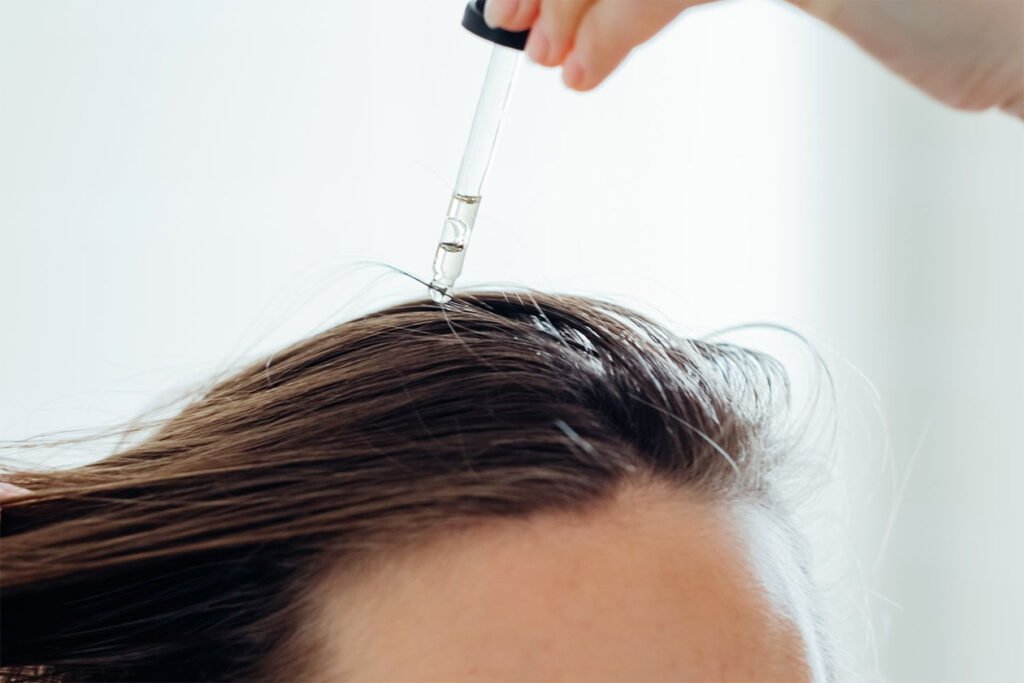
To apply rosemary oil effectively, mix 2–3 drops with a carrier oil and massage it into your scalp using circular motions for 5–10 minutes. Leave it on for at least 30 minutes—or overnight for deeper nourishment—before washing with a gentle shampoo. Regular massages 2–3 times weekly improve circulation and hair density.
Preparation Before Application
Start with a clean, slightly damp scalp. This ensures better absorption since oil penetrates more effectively when hair follicles are open. Detangle your hair using a wide-tooth comb and section it into parts for even coverage.
The Ideal Application Technique
- Pour your diluted rosemary oil mixture into a small bowl or applicator bottle.
- Use your fingertips to massage the oil directly onto your scalp in slow, circular motions.
- Focus especially on thinning areas like the crown or temples. This massage not only enhances blood flow but also helps distribute nutrients evenly.
Leave-In Duration and Rinse Routine
- For light treatments: Leave it for 30–60 minutes.
- For intensive nourishment: Leave overnight and cover with a silk cap or towel. When washing, use a sulfate-free shampoo to retain moisture. Avoid harsh clarifying shampoos—they strip away beneficial oils.
Boosting Absorption with Heat
Warmth opens the pores and increases product penetration. After applying the oil, wrap your head in a warm towel for 15 minutes. The mild heat acts like a mini spa treatment, ensuring the active compounds reach deeper layers of the scalp.
Common Mistakes to Avoid
- Applying undiluted essential oil directly to the scalp.
- Using too much oil—this can clog pores.
- Skipping the massage step, which reduces effectiveness.
- Washing hair too soon after applying (give it time to work).
Weekly Rosemary Oil Routine
| Day | Treatment Type | Duration | Purpose |
|---|---|---|---|
| Monday | Quick scalp massage | 30 min | Boost circulation |
| Wednesday | Overnight treatment | 6–8 hrs | Deep nourishment and hydration |
| Saturday | Warm towel therapy | 45 min | Detox scalp and enhance growth |
If your hair feels greasy after use, blend rosemary oil with lighter carrier oils like jojoba or grapeseed. This maintains shine without buildup.
Your fingertips are your best tool. A few minutes of mindful massage can turn a simple oiling session into a therapeutic ritual for your scalp—and your mind.
How Often Should You Use Rosemary Oil and How Long Should It Stay on the Scalp?
Rosemary oil is most effective when used 2–3 times per week, allowing the scalp time to absorb nutrients and recover. Leave it on for at least 30 minutes, or overnight for deeper penetration. Overuse can irritate the scalp, while consistent application supports stronger, thicker, and healthier hair over time.
Determining Frequency Based on Hair Type
- Normal hair: 2–3 times weekly is sufficient.
- Dry or frizzy hair: 2 times weekly or overnight treatments help maintain moisture.
- Oily scalp: Stick to lighter applications 1–2 times weekly to avoid buildup.
- Thinning or patchy hair: Regular 2–3 weekly sessions stimulate circulation without overloading follicles.
Duration Guidelines
- Short treatments (30–60 minutes): Ideal for beginners or sensitive scalps.
- Extended treatments (overnight): Allow active compounds to deeply nourish follicles. Cover with a silk cap or towel to avoid stains and retain heat.
- Avoid constant wear: Leaving oil for too long without washing can block pores and trigger irritation or scalp acne.
Timing With Hair Washes
- Apply rosemary oil before shampooing for scalp stimulation, or after washing as a leave-in serum with a mild carrier oil.
- Always follow with gentle, sulfate-free shampoos if rinsing.
Monitoring Results
Track hair growth over 2–3 months. Visible improvement is gradual: stronger roots, less shedding, and increased shine. Over-application won’t accelerate growth; consistency and proper technique matter more.
Weekly Schedule for Maximum Results
| Hair Type | Frequency | Duration | Notes |
|---|---|---|---|
| Normal | 2–3x per week | 30–60 min | Short massage sessions |
| Dry or Frizzy | 2x per week | Overnight | Deep hydration treatment |
| Oily | 1–2x per week | 30 min | Prevent scalp buildup |
| Thinning | 3x per week | 45–60 min | Focus on weak areas and crown |
Consistency beats intensity. Think of rosemary oil like a workout for your scalp—the benefits come from regular “training,” not occasional heavy doses.
Pay attention to how your scalp responds. Everyone’s hair growth cycle differs, so slight adjustments in frequency or duration can make your routine more effective and comfortable.
Is There Scientific Evidence That Rosemary Oil Works as Well as Conventional Treatments (e.g., Minoxidil)?
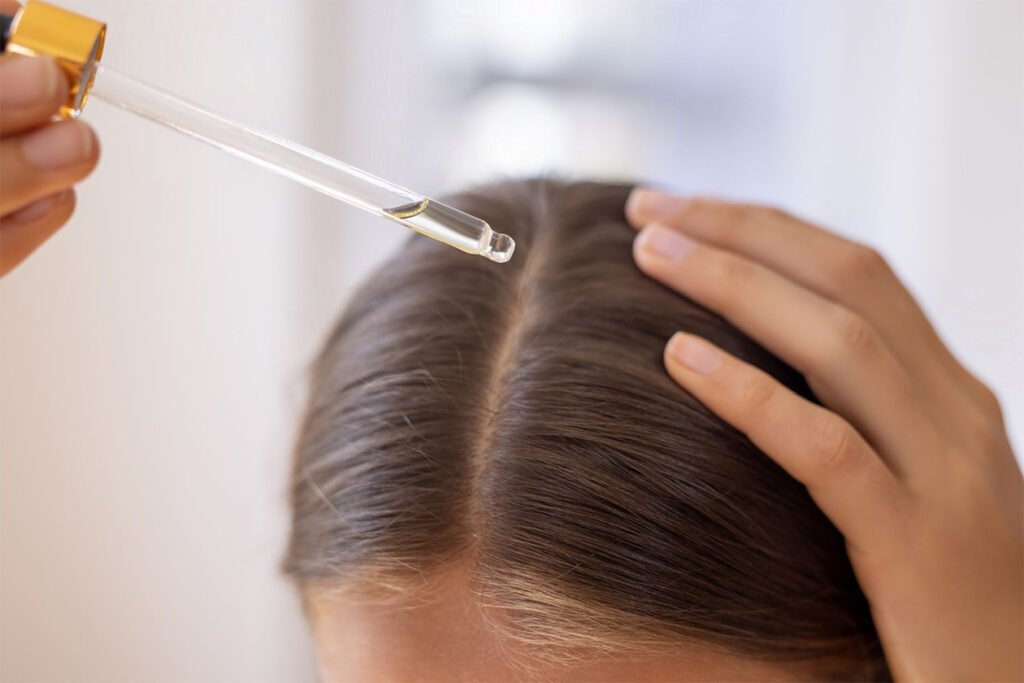
While rosemary oil is a natural alternative, studies suggest it can support hair growth similarly to mild pharmaceutical treatments. Regular application improves circulation, reduces follicle inflammation, and strengthens roots. However, results may take longer compared to minoxidil, making rosemary oil ideal for those seeking gradual, chemical-free, and long-term hair care solutions.
Minoxidil and Its Mechanism
Minoxidil works by enlarging miniaturized follicles and extending the anagen (growth) phase of hair. It is widely studied and clinically proven but may cause irritation, dryness, or unwanted hair in areas of accidental contact.
How Rosemary Oil Works Differently
- Circulation Boost: Massaging rosemary oil increases blood flow, bringing nutrients to hair follicles.
- Anti-Inflammatory Effects: Reduces scalp inflammation that can inhibit growth.
- Natural Follicle Support: Strengthens weak follicles without harsh chemicals.
While rosemary oil may not act as aggressively as minoxidil, it supports a healthier scalp environment, which is critical for long-term hair resilience.
Advantages of a Natural Approach
- Fewer side effects (no itching, redness, or scalp irritation).
- Compatible with color-treated or chemically sensitive hair.
- Can be integrated into a regular wellness routine (massages, aromatherapy).
Combining Approaches
Some individuals use rosemary oil alongside conventional treatments for a complementary effect. For instance, applying diluted rosemary oil on non-treated areas or in the evenings can reduce dryness and improve scalp health while minoxidil works during the day.
Think of rosemary oil as a gentle, consistent coach for your hair. Minoxidil is like a high-intensity trainer—it works fast but can be harsh. For those who value natural, gradual improvement and overall scalp health, rosemary oil is a powerful tool in your hair care arsenal.
What Are the Common Side Effects, Risks, and Who Should Avoid Rosemary Oil?
Rosemary oil is generally safe when diluted, but it can cause scalp irritation, redness, or allergic reactions in sensitive individuals. Avoid using undiluted oil directly on the scalp. People with epilepsy, pregnant or breastfeeding women, and individuals with very sensitive skin should consult a doctor before use.
Common Side Effects
- Scalp irritation: Redness, itching, or a burning sensation may occur if oil is too concentrated.
- Allergic reactions: Rare, but can cause swelling or rash. Always perform a patch test before first use.
- Hair buildup: Overuse may lead to greasy hair or clogged follicles.
Who Should Be Cautious
- Pregnant or breastfeeding women: Limited research exists; consult a healthcare professional before using rosemary oil.
- Epilepsy sufferers: High concentrations of rosemary essential oil may trigger seizures in sensitive individuals.
- Sensitive skin or scalp conditions: Dilute to the lowest concentration or use infused oil for gentler treatment.
Tips to Minimize Risks
- Patch Test: Apply a small amount behind the ear or on the inner arm and wait 24 hours.
- Dilution: Stick to recommended 1–3% ratios depending on hair and scalp type.
- Gradual Introduction: Start with short-duration treatments (30 minutes) and increase as tolerated.
When to Stop Use
- Persistent redness, swelling, or itching.
- Unusual hair loss or irritation at the application site.
- Any systemic symptoms like dizziness or nausea after scalp massage.
Rosemary oil is powerful, but misuse can backfire. Treat it like a high-quality natural treatment—start slow, observe your scalp’s response, and adjust your routine to maximize benefits while minimizing risks.
How Can You Make DIY Rosemary-Infused Oil or Add Rosemary Oil to Shampoos and Masks?
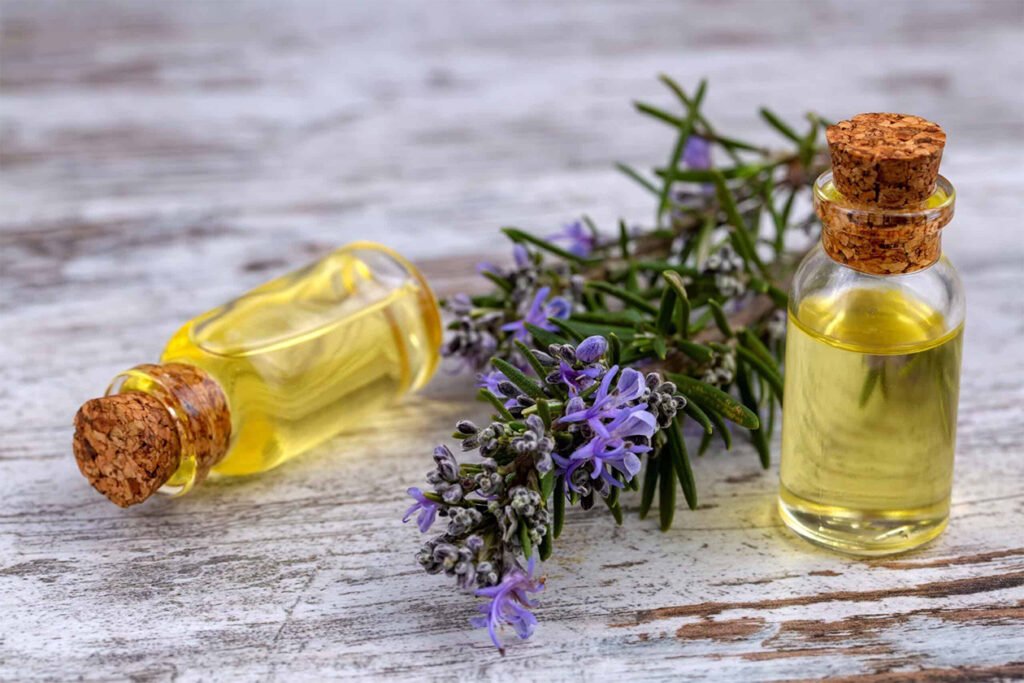
DIY rosemary-infused oil is made by steeping dried rosemary leaves in a carrier oil for several weeks, creating a gentle, nourishing hair treatment. Rosemary essential oil can also be added to shampoos or hair masks—just 2–3 drops per teaspoon of carrier or base product—to stimulate the scalp, strengthen hair, and improve shine naturally.
Making Rosemary-Infused Oil at Home
Ingredients:
- 1 cup carrier oil (jojoba, argan, or coconut)
- 2–3 tablespoons dried rosemary leaves
Method:
- Place rosemary leaves in a clean glass jar.
- Pour the carrier oil over the leaves, ensuring they’re fully submerged.
- Seal and store in a warm, dark place for 2–4 weeks. Shake occasionally.
- Strain out leaves and store the infused oil in a dark bottle.
Use the oil for scalp massages or as a hair serum. It’s gentle enough for daily use.
Adding Rosemary Oil to Shampoos
- Mix 2–3 drops of rosemary essential oil per teaspoon of shampoo.
- Shake well before each use to distribute the oil.
- Ideal for stimulating hair growth while washing, and safe for color-treated hair.
Enhancing Hair Masks
- Add 3–5 drops of rosemary essential oil to DIY masks (e.g., avocado, yogurt, or aloe).
- Apply to scalp and hair for 30–60 minutes before rinsing.
- The mask nourishes strands while the rosemary oil stimulates follicle activity.
Storage and Shelf Life
- Store infused oils and blended masks in dark glass containers.
- Keep in a cool, dry place to prevent rancidity.
- DIY infused oils generally last 6–12 months, while hair masks are best used within a week.
Consistency is key: weekly DIY treatments plus 2–3 drops in shampoo during wash days can create a potent, natural hair growth regimen.
DIY rosemary oil treatments let you control ingredients, concentrations, and textures, ensuring a safe, effective, and aromatic experience that fits your unique hair needs.
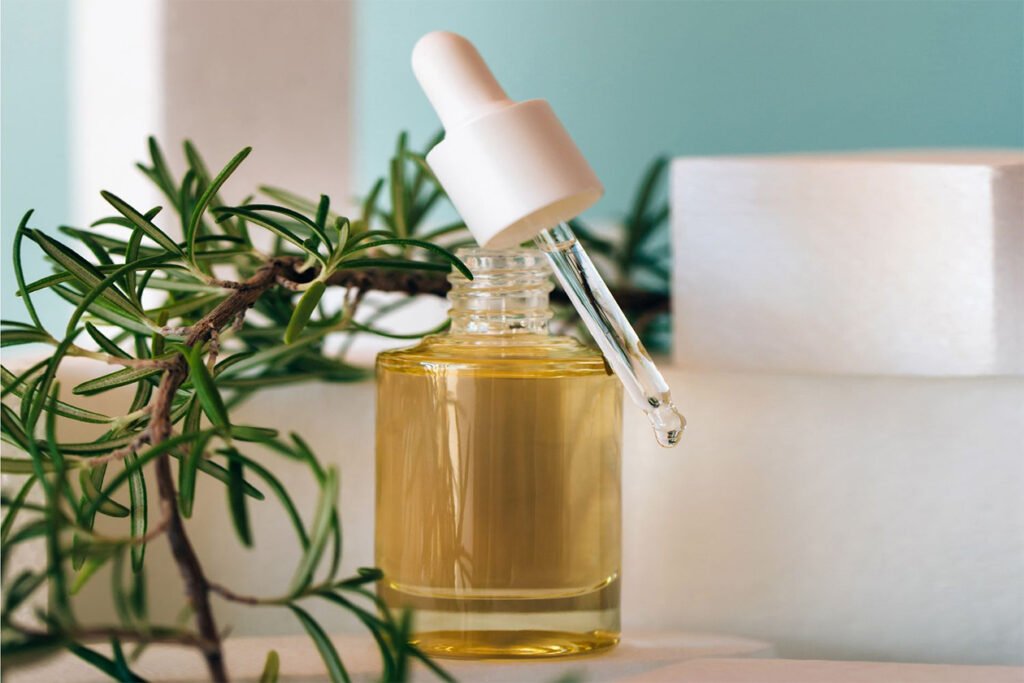
Conclusion: Unlock Thicker, Healthier Hair with Rosemary Oil
Rosemary oil is more than a trending beauty hack—it’s a natural, versatile solution for promoting hair growth, strengthening roots, and improving scalp health. From essential oils to DIY infusions, shampoos, conditioners, and masks, incorporating rosemary into your routine can yield noticeable results when used consistently and safely.
For brands, retailers, or hair care enthusiasts looking to bring high-quality rosemary hair products to market, Zerun Cosmetic offers professional private-label and custom manufacturing services. With years of experience in skincare and hair care formulation, Zerun Cosmetic can help you create products that meet global quality standards, include safe and effective rosemary oil concentrations, and carry your brand’s unique logo.
Whether you want to launch shampoos, conditioners, serums, or hair masks, Zerun Cosmetic provides free design support, samples, and consultation to ensure your product stands out in the competitive hair care market. Reach out today to start developing your custom rosemary hair care line and give consumers a natural, effective solution for thicker, healthier hair.