Skip to content
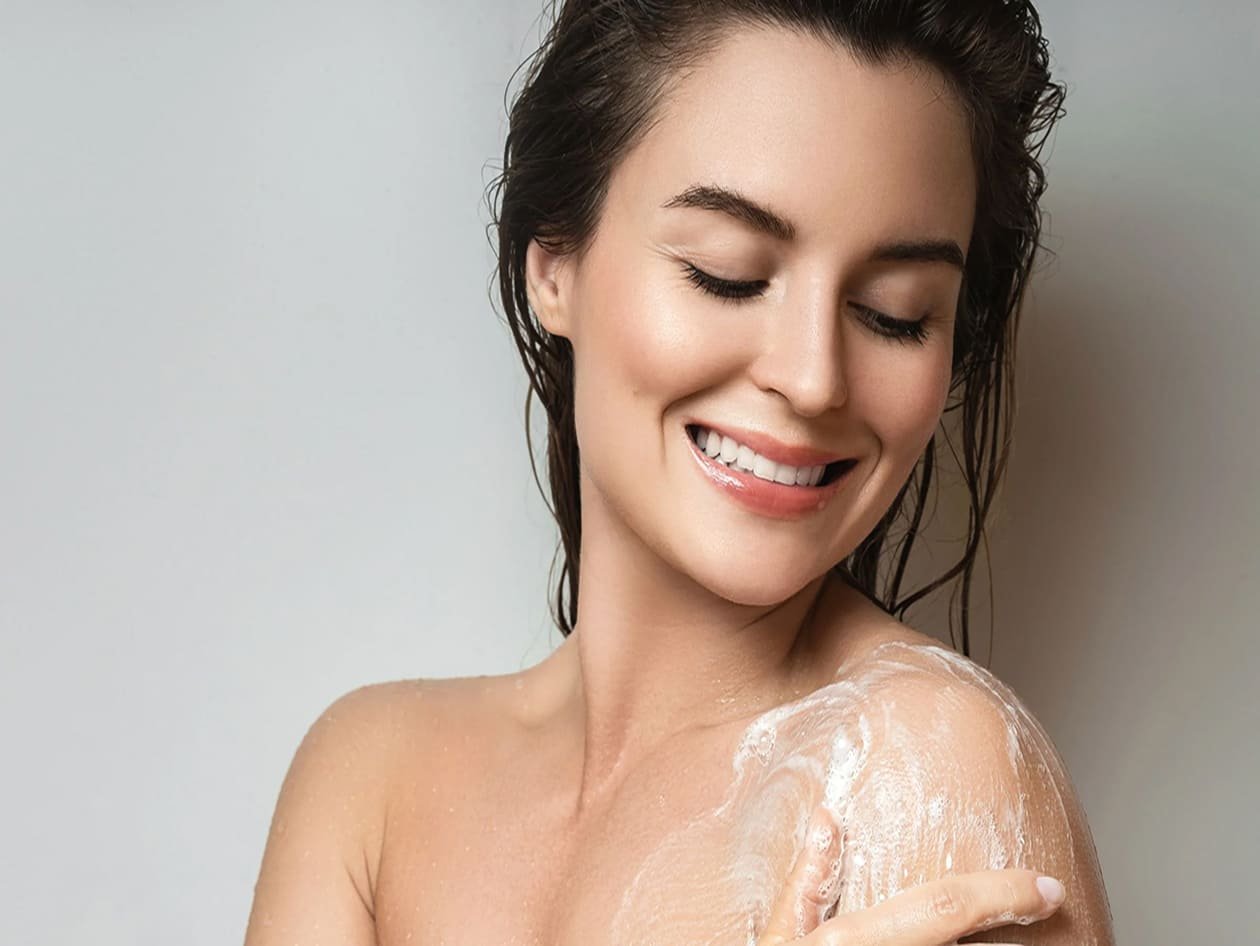
Every category has its “green wave,” but body wash is where the clash is sharpest: shoppers want plant-based, low-irritation formulas in recyclable packs—yet they also expect creamy foam, long-lasting scent and that “just showered” feel. Many “natural” launches win the first purchase, then quietly die because users never finish the bottle.
The best natural body wash is one that cleanses effectively with mild, plant-derived surfactants, maintains the skin barrier with humectants and lipids, avoids controversial ingredients, is pH-balanced around 5.0–5.8, and is tested for safety and stability. It should feel sensorially premium, pass retailer ingredient blacklists, and be profitable to scale in your target channels.
What does “best natural body wash” really mean in today’s market?
“Best natural body wash” is not the formula shouting “100% chemical-free” the loudest. It’s the one that fits consumer expectations (plant-based, gentle, pleasant scent), regulatory and retailer rules (no red-flag ingredients) and brand economics (sustainable margin, stable supply). It has to feel modern and deliver consistent daily performance, not just a romantic ingredient story.
What buying signals tell you a natural body wash will actually sell?
Not every “natural” body wash turns into a hero SKU. The ones that sell through combine credible claims, enjoyable texture, and reviews that mention comfort and repurchase—not just scent. In other words, shoppers must like the story, but also finish the bottle and buy it again.
Beyond claims, brands can track:
- Search + click data – whether queries like “natural body wash for dry skin” actually land on your PDP.
- Review language – high performers are described as “gentle but really cleans,” “doesn’t dry my skin,” “worth the price.”
- Basket behavior – refills, family sizes and matching lotions indicate habit, not impulse.
- Return reasons – texture, scent and pump issues often kill repeat purchase faster than any ingredient criticism.
Taken together, these signals tell you if “best natural body wash” is just a nice phrase on the homepage, or a product consumers are folding into their routines week after week.
How do consumers define “natural enough” for body wash?
Most shoppers aren’t chemists; they define “natural enough” from quick impressions. If the bottle name-drops familiar plants, avoids headline villains like SLS and parabens, and doesn’t feel harsh in the shower, they mentally file it under “good enough” and stop worrying about the fine print on the INCI list.
On a practical level, that means:
- Front label clarity – “plant-based surfactants,” “95% naturally derived ingredients,” “no SLS/SLES” speak louder than a long paragraph of green copy.
- Back label honesty – a mix of botanical and “science-sounding” names is fine if the brand explains them in simple language on the website.
- Experience matching promise – if you claim “gentle,” but skin squeaks and feels tight, users downgrade you immediately, no matter how many leaves you print on the label.
Your job as a brand is not to win a purity contest; it’s to define a transparent, repeatable standard of “natural enough” that fits your markets and then stay consistent across formulas, packs and channels.
How should B2B brands measure “best” beyond marketing language?
For professional buyers, “best” is a spreadsheet, not a slogan. They compare irritation scores, stability data, return rates, cost of goods and reviews against competitor benchmarks. If your “natural” shower gel keeps margins healthy and complaint levels low, it stands a chance of becoming the category’s quiet workhorse.
Useful measurements include:
- Technical – pH, viscosity, viscosity drift, foaming profile in hard vs soft water.
- Safety – patch-test outcomes, microbiology over shelf life, robustness of preservative system.
- Commercial – gross margin at different volumes, average selling price, promotional depth needed to move stock.
- Consumer – star ratings, text reviews, churn on subscriptions, NPS vs other cleansers.
When R&D, marketing and sales look at the same dashboard, “best natural body wash” stops being a vague ambition and becomes a combination of thresholds you can design for and monitor over time.
Positioning tiers for “natural body wash” brands
| Tier / Positioning | Typical Retail Positioning | Key Features & Story | Risk Points |
|---|---|---|---|
| Entry “natural-inspired” | Entry price range | Fewer sulfates, some botanicals, basic “no nasties” claims | Greenwashing, limited moisturization, thin foam |
| Mid “clean beauty” | Mid price range | Sulfate-free, vegan, nicer fragrance, better pack design | Higher expectations on gentleness and ethics |
| Premium derm-natural / spa | Premium price range | Clinical or derm inputs, barrier-friendly actives, refills | Must justify price with data and experience |
“Best natural body wash” is where customer perception, regulatory reality and brand economics intersect. Brands that define “natural enough,” set clear technical KPIs and monitor real usage data can grow body wash into a core platform, instead of chasing every new natural buzzword.
What’s the healthiest body wash to use if you care about your skin barrier and ingredients?
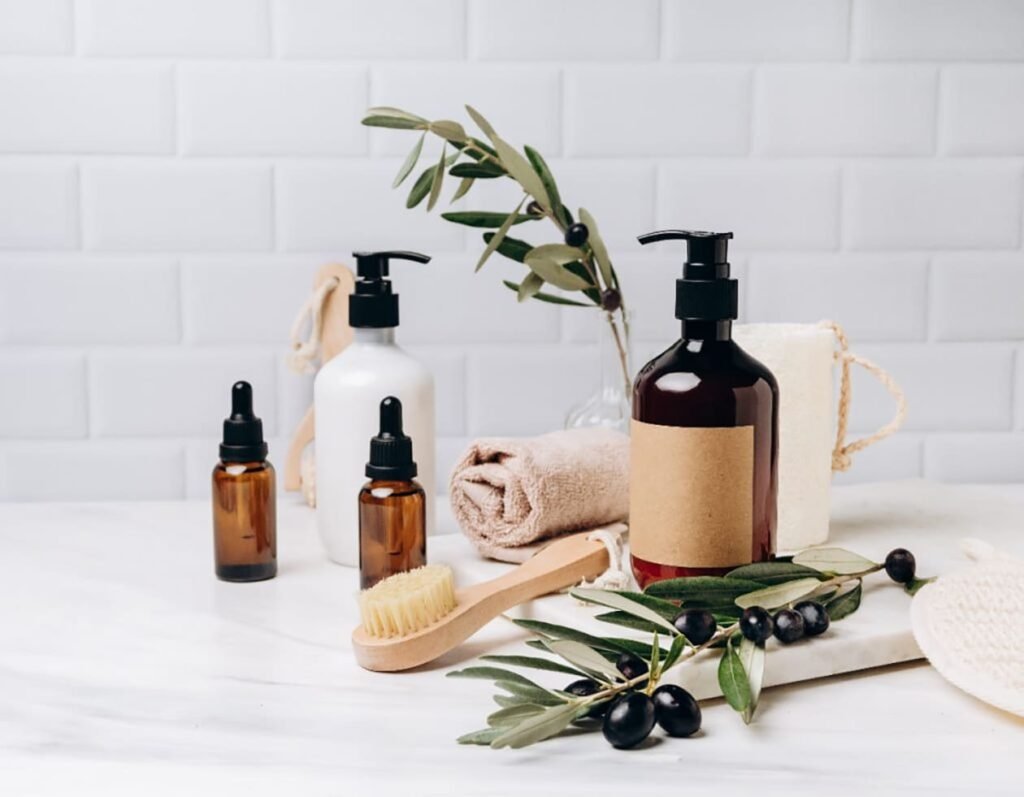
The healthiest body wash is one that respects the skin barrier, not just a formula that is “free from” a few buzzword ingredients. In practice, that means mild, pH-balanced surfactants, a meaningful level of humectants and soothing agents, controversy-free preservatives, and a texture users genuinely enjoy and can afford to rebuy.
How do dermatologists define a “healthy” body wash in everyday use?
Dermatologists rarely ask, “Is this natural?” They ask, “Will this strip the barrier, sting compromised skin, or aggravate conditions like eczema?” A “healthy” body wash, in their view, is one patients can use daily for weeks without increased redness, dryness or itch—regardless of how botanical the label looks.
That usually points to formulas that:
- Stay in a skin-friendly pH zone, supporting enzymes that organize the lipid barrier.
- Use mild surfactants and keep fragrance at sensible levels, especially for sensitive or baby lines.
- Incorporate humectants and soothing agents so skin doesn’t feel worse immediately after cleansing.
When your lab reports and in-use tests mirror this thinking, medical professionals feel safer recommending your products—opening pharmacy, derm-clinic and insurance-related channels that purely “Instagram-natural” brands often can’t reach.
Which formula checklist should brands use for the healthiest body wash?
Instead of debating each new ingredient trend, you can hard-code “healthy” into a checklist. This turns your brief into a filter: if a proposed concept breaks too many rules on pH, surfactant harshness or preservative choice, it simply belongs in another range—not your healthiest core line.
Formula checklist for a “healthiest” body wash
| Attribute | Healthiest Direction | Why It Matters | Formulation Tips |
|---|---|---|---|
| pH | ~5.0–5.8 | Matches skin surface pH; supports barrier enzymes | Buffer with citric acid and mild bases; test in pack |
| Surfactant system | Mild anionic + amphoteric + optional glucosides | Cleans without stripping | Use isethionates/glutamates + CAPB or coco-betaine |
| Humectants | Glycerin plus polyols at meaningful levels | Reduces tightness post-wash | Balance with thickener to avoid stickiness |
| Soothing agents | Panthenol, oat, allantoin, plant extracts at functional levels | Calms micro-irritation | Keep claims cosmetic; avoid medical positioning |
| Preservatives | Broad-spectrum, low-sensitization, “clean-compatible” | Safety over shelf life without irritation spikes | Phenoxyethanol blends, organic acid systems |
| Fragrance | Moderate level, allergen-conscious for sensitive or baby ranges | Minimizes sensitization and complaints | Offer fragrance-free variant in each core line |
| Colorants & extras | Minimal, preferably nature-identical or food-grade where possible | Reduces risk and supports “clean” narrative | Avoid unnecessary glitter or strong synthetic dyes |
When marketing wants to push a new trend ingredient, R&D can quickly check whether it fits the “healthiest body wash” spec or whether it should belong in a separate, less-sensitive line.
How can you balance “healthy” formulas with foam, scent and cost?
The fear is simple: “If we tick every ‘healthy’ box, people will hate the texture and price.” In reality, the trade-offs are softer. Smart surfactant blends, thoughtful rheology and clever fragrance architecture can keep the sensorial profile rich while still respecting the barrier—and your margin.
Typical strategies include:
- Using one cost-efficient mild anionic plus a small amount of amino-acid surfactant to lift mildness without blowing COGS.
- Designing slow-moving, cushiony textures with rheology modifiers so users perceive richness without needing very high surfactant levels.
- Treating fragrance as a structure, not just intensity: a bright top note for impact, comfortable mid notes that support your story, and a dry-down that doesn’t clash with body lotions.
- Sharing a single “healthiest” base across multiple scents and pack formats, so extra spend on that base is amortized across a whole sub-line.
In practice, the healthiest body wash is a disciplined framework, not a single hero ingredient. By locking in pH, surfactant mildness, humectant and soothing stacks, and sensible preservative and fragrance choices, brands can create a repeatable base that feels dermatologist-friendly while still delivering foam, scent and margins consumers and retailers expect.
Which ingredients should a natural body wash avoid and which should it highlight?
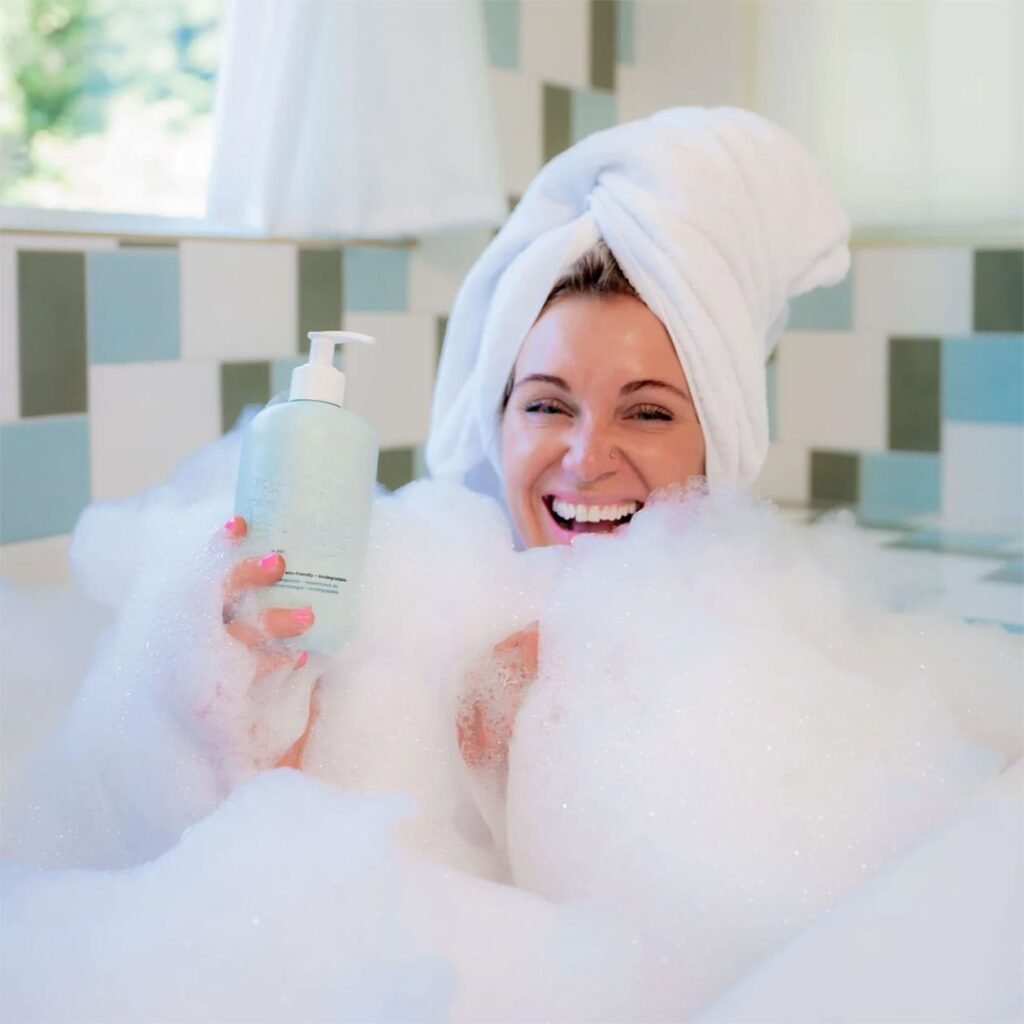
A natural body wash is not automatically gentle. The gap between ordinary and “best-in-class” formulas lies in the surfactant system, the moisturizing stack, and smart choices around preservatives and fragrance. You need to avoid ingredients that trigger retailer blacklists while spotlighting those that truly impact comfort and barrier health.
Which surfactants make sense for “best natural body wash” claims?
When consumers say they want a “gentle, natural” wash, they’re really describing how the surfactant system feels: foam that isn’t aggressive, rinse-off that doesn’t squeak, and skin that doesn’t feel tight. Rather than banning a whole category, it’s about combining different surfactants into a mild yet effective blend.
Key principles Zerun often uses when building a surfactant backbone:
- Start from mild surfactants and tune cleansing power
- Use bases like sodium cocoyl isethionate or sodium cocoyl glutamate.
- Add cocamidopropyl betaine or coco-betaine to soften irritation and boost foam.
- Layer in glucosides (decyl, coco) when you need extra “green” perception or sulfate-free stories.
- Control feel through co-surfactants and thickeners
- Hydroxyethylcellulose, xanthan or acrylate copolymers can make foam creamier and more stable.
- Oils and esters (e.g., caprylic/capric triglyceride) can shift formulas toward “oil-to-milk” textures.
- Stay honest about “sulfate-free”
- If you truly avoid SLS/SLES, say so precisely.
- If you simply reduce usage or use milder sulfates, position as a “low-sulfate, gentle cleansing system” instead of pure “free-from.”
Surfactant choices for natural body wash
| Surfactant Type | Example INCI | Pros | Watch-outs / Notes |
|---|---|---|---|
| Mild anionic (isethionates) | Sodium Cocoyl Isethionate | Dense creamy foam, low irritation, syndet-like | Higher raw cost, requires good processing |
| Amino-acid based | Sodium Cocoyl Glutamate | Very gentle, “amino-acid” story | Higher cost, sometimes thinner foam |
| Amphoteric | Cocamidopropyl Betaine | Foam booster, reduces irritation, cost-effective | Need quality control on impurities |
| Glucosides (non-ionic) | Decyl Glucoside, Coco Glucoside | Sugar/coconut origin, strong “green” narrative | Can cause thin texture; may need structuring |
| Sulfate-lean (optional) | Sodium Lauroyl Sarcosinate | Strong foam, milder than SLS/SLES | Use carefully to keep irritation low |
Which moisturizing and soothing ingredients make the biggest difference?
Most “natural” body washes list a whole botanical garden on the label—but only a few ingredients actually change how skin feels. What users perceive are the humectants, lipids and classic soothing agents, not a long tail of micro-dose plant extracts sprinkled in for storytelling.
In practice, Zerun often builds daily “natural” bases with stacks like:
- Humectants
- Glycerin at skin-sensible levels
- Pentylene glycol or propanediol for extra slip and water-binding
- Barrier support / emollients
- Soothing actives
- Panthenol for comfort and support of barrier repair
- Colloidal oatmeal for calming and soft after-feel
- Allantoin for classic “soothing” positioning
The goal isn’t to turn a wash into a lotion; it’s to smooth the post-wash dip in hydration and comfort, giving users a clear “this doesn’t dry me out” feeling that drives loyalty and word-of-mouth.
Which ingredients should a “natural” body wash avoid for global retail?
For brands targeting multiple regions, “what you can’t use” is often more complicated than what you can. Different markets and retailers have their own blacklists, but the same “high-risk players” keep appearing: harsh sulfates, formaldehyde donors, contentious preservatives and certain dyes or musks.
Common examples to avoid or minimize:
- Harsh / legacy surfactants – SLS, SLES (especially in stricter clean-retail environments).
- Formaldehyde donors – DMDM hydantoin, imidazolidinyl urea and similar.
- Problematic preservatives – MI/MCI, especially in products marketed for sensitive skin or children; excessively high phenoxyethanol in “baby” or “sensitive” lines.
- Fragrance issues – unnecessary high-load allergens for “sensitive” or “fragrance-free” stories; extremely strong synthetic perfume in markets where “natural” means subtle.
Instead, many successful brands use phenoxyethanol + ethylhexylglycerin, organic acid systems, or nature-identical blends, all backed by clear safety documentation. Zerun helps match preservative strategies to pH, packaging and target markets, so compliance doesn’t become a surprise project just before launch.
How can you build a compelling natural “story” with real function?
A wash formula that hits all the lab specs but has no story will struggle to stand out; a poetic story without functional support will struggle to earn repurchase. A useful “natural story” is one that can be traced from front-of-pack claims to actual ingredient levels, user feedback and internal test data.
Examples of credible story + function concepts include:
- Oat & Ceramide Comfort Wash – mild isethionate + betaine base, oat extract, colloidal oatmeal and ceramide NP for dry or sensitive skin; story centered on barrier comfort.
- Citrus & Mint Refreshing Gel – glucoside-rich “plant-derived” system, menthol-free mint hydrosol and citrus peel extracts; story centered on freshness for hot climates and gym users.
- Tea Tree & Charcoal Clarifying Wash – slightly stronger cleansing base balanced with humectants, charcoal or clay plus carefully dosed tea tree; story centered on deep-cleansing without the “stripped” feeling.
Zerun typically starts projects by agreeing on one hero story per SKU, then aligning formula, fragrance, color and packaging to that story so marketing, R&D and regulatory all talk about the same product reality.
The ingredient list is where “natural” becomes real. Brands that invest in balanced surfactant systems, visible moisturizing stacks and controversy-free preservatives, then build simple but authentic plant stories, create body washes that feel different in the shower and look credible both on the shelf and on ingredient-checking apps.
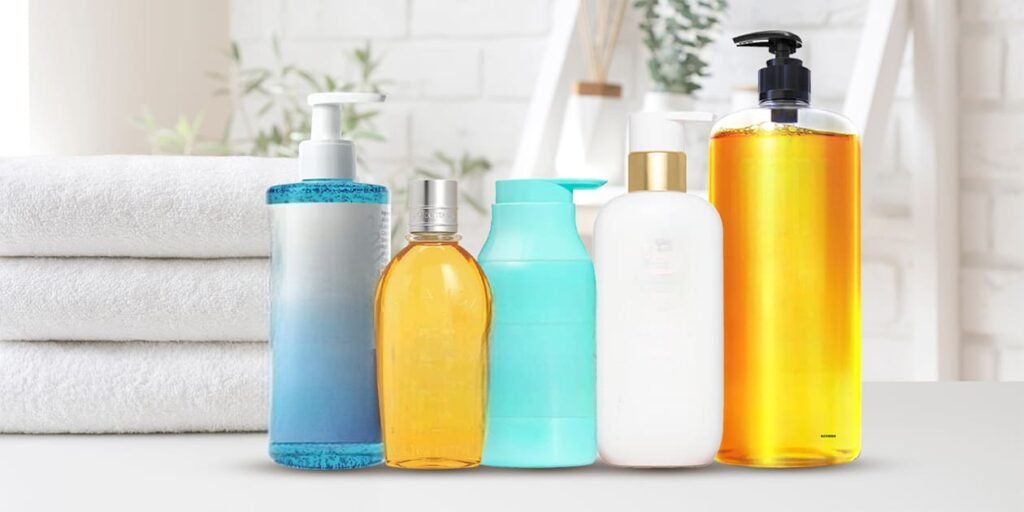
What is the best natural thing to wash your body with instead of a regular body wash?
Some consumers want to go even further than “clean” body wash and ask for the most natural possible way to cleanse. For brand owners, the important questions are not only which options are gentle and effective, but which ones can be turned into scalable, safe, commercially viable products with consistent quality and realistic user routines.
Are natural soaps really better for skin than body wash?
Consumers often equate “handmade” or “cold-process” soap with “natural,” but from a skin-science point of view, what matters more is pH, lipid replenishment and frequency of use. For some people, alkaline soaps can be more drying than pH-balanced liquid body wash, even if they feel more authentic or eco-friendly.
That’s why it helps to distinguish:
- True soap (saponified oils, higher pH)
- Pros: simple ingredients, strong “artisan/natural” story.
- Cons: higher pH, potentially more drying, can be harder to position as “derm-approved.”
- Syndet or combo bars (synthetic detergents + fats, lower pH)
- Pros: more control over mildness, pH and foam; better suited to sensitive-skin claims.
- Cons: more complex INCI; may look “less natural” at first glance.
Artisanal soaps can thrive in gift, zero-waste and boutique eco channels, while syndet-style “dermatological cleansing bars” fit pharmacies and clinics. Zerun can help design both; the choice depends on whether you want a romantic natural story or a barrier-health-first message.
Can oats, clays and powders become the best natural way to wash the body?
Oat, rice and clay cleansing rituals sound extremely “pure” and can be very gentle, especially for fragile or reactive skin. But as a product category, they raise questions about mess, microbial stability, humidity sensitivity and consumer willingness to add extra steps to a daily shower.
From a product-development perspective, you can structure them as:
- Oat or rice powder sachets – single-use envelopes dissolved or rubbed gently on wet skin.
- Clay + starch powder cleansers – marketed as occasional “deep detox,” not daily wash.
- Hybrid products – creamy natural body washes with suspended oat or rice particles for a soft polish.
Natural alternatives to liquid body wash and their brand potential
| Option | Pros for Skin & Story | Limitations in Daily Use | Brand Opportunity |
|---|---|---|---|
| Cold-process soap bar | Simple, recognizable oils, handcrafted image | High pH, may be drying, can crack or mush | Niche eco, gift sets, storytelling collections |
| Syndet / pH-balanced bar | Mild, controlled pH, good for sensitive skin | Less “romantic” INCI, needs education | Pharmacies, derm brands, family lines |
| Oat / rice powder sachets | Very gentle, soothing, “ritual” feel | Messy, needs clear instructions, humidity risk | Spa-inspired lines, limited editions |
| Clay or powder cleansers | Strong detox narrative, visually engaging | Not ideal for daily use, drying if overused | Weekly treatment SKUs, content marketing |
| Oil-based cleansing gels | Barrier-friendly, luxurious, low foam | Perceived as less “clean” by foam-lovers | Premium spa, pregnancy or mature-skin ranges |
For B2B buyers, the sweet spot is often hybrid solutions: liquid or creamy bases that incorporate oats, clays or powders in a controlled, stable way, delivering a natural story without forcing users to completely change their routine.
Is oil cleansing a realistic body-wash alternative for brands to commercialize?
Body oil cleansing has moved from niche face-care circles into full-body rituals, especially for dry, sensitive and mature skin. A well-designed cleansing oil—emulsifying on contact with water—can provide a luxurious, barrier-friendly alternative to foaming gels, but it requires careful surfactant selection and packaging to avoid slips and complaints.
Commercially, oil cleansers for body can be:
- Positioned as night or winter rituals, complementing a daily gel body wash rather than replacing it.
- Built with a high level of esters and plant oils, plus mild solubilizers or emulsifiers that rinse clean.
- Packaged in pump or flip-top bottles with clear usage instructions (“apply on wet skin,” “rinse thoroughly,” “take care to avoid floor becoming slippery”).
The brand payoff is strong: user reviews often mention “my skin feels like I used a lotion in the shower,” which directly supports premium positioning and strong loyalty. Zerun frequently pairs such cleansing oils with matching body lotions and butters, creating systems that lock in barrier benefits across the routine.
How should brands position these natural alternatives in their portfolio?
Rather than pushing every consumer into bars, powders or oils, smart brands treat these as second-layer upgrades. The liquid natural body wash serves as the daily anchor; more natural or ritual-heavy formats become high-engagement add-ons that support storytelling, content, higher basket value and seasonality.
You can structure the portfolio as:
- Core pH-balanced natural body wash – daily staple for most users.
- Ritual or treatment SKUs – bars, powders or oils for weekly or seasonal use.
- Education content – blogs and social posts explaining when to choose bar vs gel vs oil, and how to avoid over-cleansing.
From an OEM/ODM standpoint, Zerun recommends starting with a stable, scalable liquid base, then layering in bars or oils after you understand your audience better. This reduces risk while still letting you answer questions like “what is the best natural thing to wash your body with?” in a credible, multi-SKU way.
There is no single “best natural thing” to wash the body with—only options that fit different skins, lifestyles and channels. Traditional soaps, syndet bars, oat and clay rituals and oil cleansers all have roles. Successful brands turn these into a rational portfolio, using liquids as the daily anchor and natural alternatives as high-engagement upgrades.
How do you match natural body wash formats and textures to different customers?
There is no single best natural body wash format. Gels, creams, oils, bars and refills all have roles to play. The real question is: which formats best fit your target users, your channels and your sustainability narrative? A smart portfolio can share one or two bases and still look diverse.
Should you launch gel, cream, or oil-to-foam body wash first?
If your budget and attention are limited, deciding which format launches first is a very real question. The safest strategy is to start with a format that is easy to understand, easy to distribute and fits the widest group of users—then layer in more niche, story-driven formats once you have traction.
In practice:
- Gel / gel-cream
- Intuitive, familiar, works in family and unisex positioning.
- Ideal for supermarkets, marketplaces and starter DTC.
- Creamy wash
- Great for dry/sensitive narratives, feels more “treatment-like.”
- Fits pharmacies, derm brands and winter-focused sets.
- Oil-to-foam / oil-to-milk
- Strong spa/luxury story, excellent for shaving or very dry skin.
- Works best in premium e-commerce, spa partners and gifting.
Zerun often develops one core base that can be tuned with thickeners, emollients and fragrance to yield both gel and cream versions, reducing registration complexity and raw-material clutter.
How does climate and water hardness affect body wash design?
The same body wash can feel completely different in Paris and Bangkok—not because the formula changed, but because water quality and climate alter foam, rinse and residue. If you plan to sell across regions, your base design must account for water hardness, temperature and humidity from the start.
Design tips:
- Hard water regions
- Use surfactant blends with good calcium tolerance and chelators such as GLDA or disodium EDTA.
- Test in local tap water where possible, not only in purified lab water.
- Hot/humid climates
- Favor lighter gels, quick-rinse systems and cooler scent profiles (citrus, aquatic).
- Keep post-wash feel very light; heavy emollients can feel sticky.
- Cold/dry climates
- Slightly creamier bases with more humectants and emollients.
- Warmer fragrance families (vanilla, amber, gourmands) can feel more comforting if they fit your brand.
Zerun regularly adapts one base into regional variants: a richer version for colder or drier markets and a lighter, fresher one for hot, humid areas, while keeping most of the documentation and supply chain shared.
Does packaging shape how customers perceive “natural” and “premium”?
For online shoppers, the first impression is the bottle, not the texture. For offline shoppers, the first test is how it feels in the hand and how the pump moves. Packaging that looks natural, feels refined and works smoothly often does more for repurchase than adding a few extra plant extracts to the formula.
Consider:
- Material
- HDPE / PET with PCR content supports eco narratives.
- Opaque or lightly tinted bottles protect light-sensitive naturals and fragrance.
- Format
- Pumps for family sizes and high-frequency use in bathrooms.
- Flip-top bottles for standard retail sizes.
- Refill pouches or larger jugs for eco-conscious users and professional settings.
- Design language
- Simple, readable typography and restrained front-of-pack claims.
- Ingredient and texture visuals rather than magical, unrealistic scenes.
- Icons for cruelty-free, vegan, recyclable, dermatologically tested where relevant.
Zerun’s team often runs compatibility tests (e.g., discoloration, paneling, scent migration) to ensure that eco-friendly packaging choices don’t introduce new stability or aesthetic problems over a typical shelf life.
Format, texture and packaging are where users decide whether your natural body wash feels modern and trustworthy. By aligning base textures with climate, water conditions and channel, and using packaging that supports your story and stability, you create a line that performs consistently—from first unboxing to the last pump.
How do you communicate natural and safety claims without over-promising?
Regulators and platforms are increasingly sensitive to terms like “chemical-free” and “non-toxic.” What you need is not louder adjectives, but clearer explanations: where the formula is natural, where it is simply well-chosen synthetic, which tests were done and what the results mean in plain language.
Copy principles Zerun recommends:
- Use “helps” instead of medical verbs like “treats” or “cures.”
- Quantify where possible: “X% of users agreed skin felt comfortable after showering,” backed by panel data.
- Be explicit about “natural”: “made with plant-derived surfactants and a high level of naturally derived ingredients,” plus a short explanation of how you calculate it.
- Avoid fear-based narratives that demonize “chemicals” in general; focus on why your specific formula is a good choice.
This balance lets you sit comfortably in clean-beauty and derm channels while still sounding human and trustworthy to everyday shoppers who simply want something that works and feels good.
How should you brief your OEM/ODM partner for a best-selling natural body wash line?
Even the best idea can fail if the brief is weak. Your OEM/ODM partner is not just a filler; they’re your technical extension. The clearer and more realistic your brief, the faster you arrive at a stable, scalable “best natural body wash” platform with fewer reformulations and delays.
What information should go into your first briefing document?
For a manufacturer, the hardest brief is not the one with high expectations, but the one with vague information. When you clearly describe countries, channels, target retail, key benefits, banned lists, texture and fragrance references, and testing expectations, the first round of samples is far more likely to match what you have in mind.
OEM/ODM brief checklist for natural body wash
| Brief Element | Key Questions to Answer |
|---|---|
| Market & channel | Countries? Mass, pharmacy, spa, online, or mixed? |
| Price & margin | Target retail positioning and desired cost structure? |
| Brand positioning | “Clean,” “derm,” “spa,” “family,” “eco”? |
| Ingredient framework | Must-have and must-avoid ingredients? Natural-origin target %? |
| Sensory benchmark | Which existing SKUs should it feel/smell like (or unlike)? |
| Pack & volumes | Bottle size, material, pump vs flip-top, refill strategy? |
| Testing & compliance | Which tests are mandatory? Target claims? Target regions’ regulations? |
| Launch roadmap | Launch date, planned extensions (e.g., scrub, lotion, bar)? |
With this level of clarity, Zerun can quickly return formula routes, estimated MOQs and a testing/documentation plan aligned with your claims and target markets.
How do MOQs and scalable bases affect your launch roadmap?
MOQ can feel like a barrier, but it can also become a lever. When you concentrate development on one or two expandable bases, you can produce larger batches of bulk and split them across multiple SKUs, reducing per-unit cost and lowering the minimum quantity per individual fragrance or pack.
A typical roadmap for a new brand with Zerun might look like:
- Phase 1 – Core base & hero SKU
- Approve one well-tested natural body wash base.
- Launch a single hero SKU built on that base.
- Phase 2 – Line extension
- Use the same base with different fragrances and small tweaks to create a small range of SKUs.
- Phase 3 – Regional and format variants
- Adjust viscosity and scent for different climates or channels.
- Introduce bar or refill formats once sales justify additional tooling and logistics.
Because the base is shared, you reuse stability data and tolerance tests, and simplify raw-material purchasing and inventory. That’s how “best natural body wash” evolves into an entire family of products instead of one lucky hit.
How can Zerun Cosmetic support your “best natural body wash” strategy?
Many brands treat factories as the end of the process, not the beginning. If Zerun is involved early, you gain an extra perspective from production and regulatory reality while you make trade-offs between formula complexity, pack design, testing, MOQ and budget. That often means fewer surprises and cleaner launches.
Our support typically covers:
- Concept & positioning – translating your brand story into clear briefs and ingredient frameworks.
- Formula design – proposing natural surfactant systems, humectant stacks and plant stories that match your price and claim targets.
- Packaging guidance – matching pack types to channels and testing compatibility with natural formulas.
- Testing & compliance – helping plan stability, preservative-efficacy, patch and in-use testing; preparing documentation for EU, US and other markets.
- Scale & logistics – advising on batch sizes, MOQs, refills and future extensions to simplify operations while keeping room for growth.
A precise, realistic brief turns your OEM/ODM partner into a strategic ally, not a black box. By aligning expectations on markets, ingredients, sensorial profile, testing and MOQs from day one—and by using scalable bases—you turn “best natural body wash” from a wish into a carefully engineered system.
Conclusion
Building the best natural body wash in today’s market is a strategic exercise, not a lucky formula. It starts with defining what “natural enough” and “healthiest” mean for your brand and markets, then choosing balanced surfactant systems, humectants and botanicals that can deliver real comfort and cleanliness in daily use. From there, the winners are the brands that invest in texture and format choices tuned to climate and channel, explore natural alternatives like bars, powders and oils as rational portfolio extensions, validate claims with right-sized testing, and speak honestly about what their formulas can and cannot do. Instead of one “hero bottle,” they build a family of SKUs that share strong technical foundations but express different stories for different users.
At Zerun Cosmetic, we’ve supported both emerging labels and established players in designing natural body wash ranges that customers not only try once but finish—and repurchase. If you’re planning a launch or an upgrade, we can help you define your natural framework, co-create surfactant and active stacks, choose packaging, plan testing and build a phased rollout that matches your budget and ambitions.