Skip to content
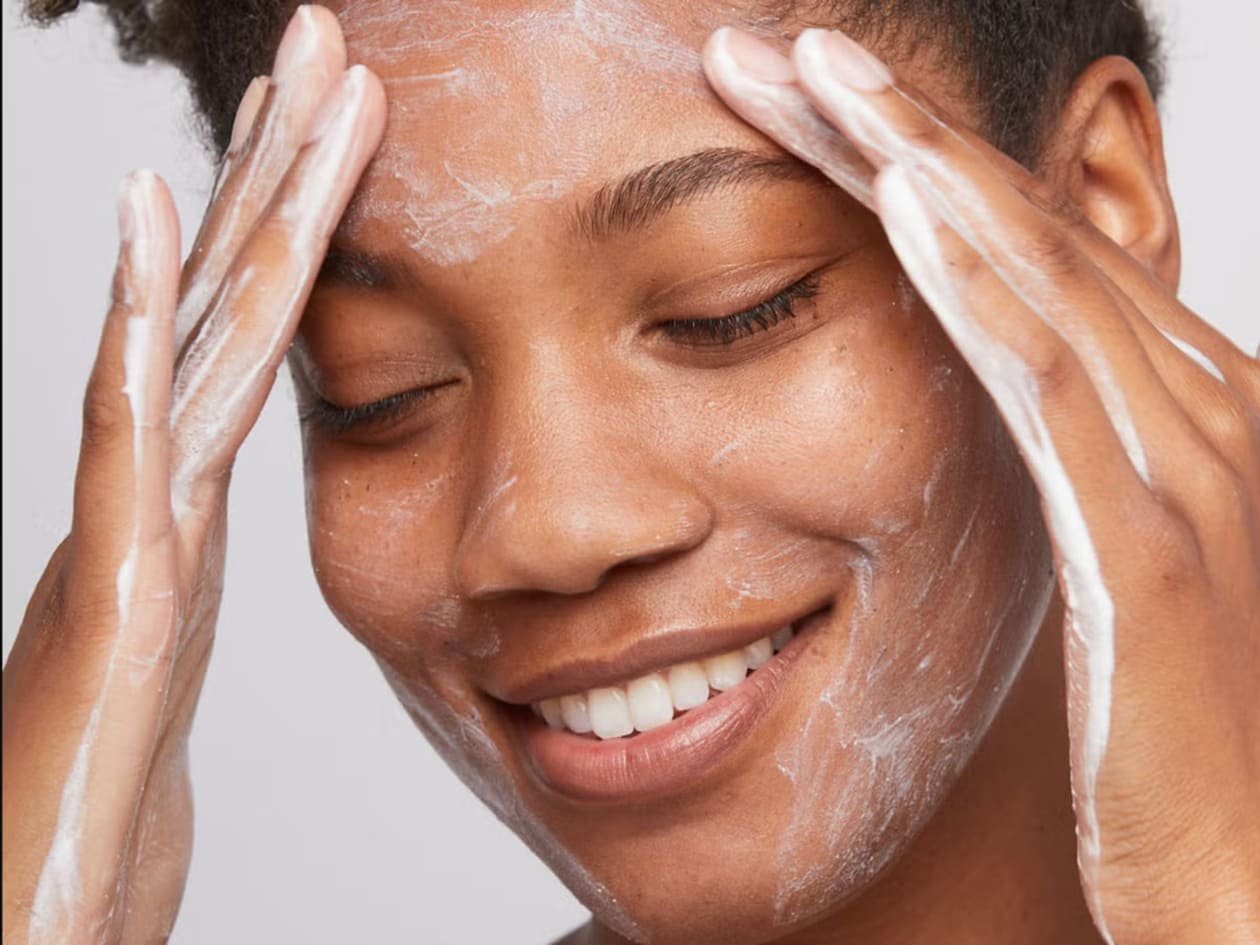
If you have oily skin, the day often starts and ends with shine. You wash your face in the morning, feel fresh for a moment, and then your T-zone starts glowing again by lunchtime. Makeup slides, pores look bigger than you’d like, and every “oil control” product seems to promise miracles. For skincare brands, this isn’t just a beauty frustration—it’s a big opportunity, especially on channels like Amazon and independent websites where oily-skin searches are huge.
The best face wash for oily skin is a gentle, pH-balanced cleanser that removes excess sebum, sweat, makeup and pollution while protecting the skin barrier. It usually blends mild surfactants with oil-controlling and pore-refining actives such as salicylic acid, niacinamide or zinc, plus lightweight hydrators that leave skin clean, fresh and comfortable instead of tight or squeaky. When used consistently as part of a routine, it can help reduce congestion, support clearer-looking pores and improve shine control over time.
In this guide, we’ll explore how oily skin behaves, how a cleanser can help (and where its limits are), which ingredients and textures work best, and how brands can turn these insights into a clear brief for a private-label face wash for oily skin with an experienced OEM/ODM factory like Zerun cosmetic.
What does a face wash for oily skin actually do to your skin barrier and pores?
A face wash for oily skin is designed to lift away excess sebum, sweat, makeup and environmental debris while still respecting the skin’s natural barrier. It should clean inside and around pores, help reduce the feeling of greasiness, and leave skin soft rather than stripped. When it’s done well, the skin feels comfortably matte and ready for serums and moisturizers—not dry, tight or irritated.
Oily skin is not “dirty skin”
People with oily skin are often told to “wash more” or use something very strong. That mindset can easily backfire. Sebum is not an enemy; it’s part of your skin’s natural protection:
- It helps reduce water loss from the surface.
- It supports the skin’s microbiome.
- Completely removing it repeatedly can make the skin feel attacked.
When the barrier is damaged, the skin may respond by producing even more oil to protect itself. A good face wash for oily skin aims for balance: enough cleansing to remove that heavy, greasy feel, but not so much that the skin is left vulnerable and reactive.
What actually happens when you cleanse?
During cleansing, surfactants in the formula surround oil and dirt, forming tiny structures that can be rinsed off with water. At the same time:
- Water-soluble impurities are dissolved and carried away.
- Makeup, sunscreen and pollution particles stuck in sebum are loosened.
- Hydrating agents like glycerin or aloe help maintain a comfortable feel.
If the formula is well designed, the skin’s natural lipid structure and proteins remain largely intact. If the formula is too harsh or has an unsuitable pH, it can damage these structures, causing tightness, redness and long-term barrier stress.
Why pH and surfactant choice matter
Healthy facial skin is slightly acidic. A face wash for oily skin should sit close to that zone, rather than behaving like a traditional alkaline soap bar. Mild, modern surfactants—such as isethionates, sarcosinates, sulfosuccinates and amphoteric betaines—are popular choices because they clean well without creating that harsh, squeaky sensation.
For brands, this means a cleanser can be marketed as “gentle yet effective”: technically accurate, easy to understand and very appealing to oily-skin users who have been burned by overly aggressive products in the past.
What are the key signs of oily, acne-prone skin that a face wash should target?
Oily, acne-prone skin is usually characterised by persistent shine, especially in the T-zone, enlarged-looking pores, and frequent clogged pores or breakouts. A face wash for oily skin should target these issues by reducing excess sebum, keeping the surface clean, supporting pore clarity and creating a balanced base for the rest of the skincare routine.
Oily, combination and dehydrated-oily: similar but not the same
Many people with shine automatically label themselves as “oily” when their situation is more nuanced. The wrong self-diagnosis often leads to the wrong cleanser.
| Skin profile | Typical signs | Cleansing goal |
|---|---|---|
| Oily | Shine over most of the face, noticeable pores, frequent blackheads | Deep but gentle sebum removal, daily pore care |
| Combination (oily T-zone) | Oily forehead, nose and chin with normal or dry cheeks | Balance: control T-zone shine without drying cheeks |
| Dehydrated oily | Shiny yet feels tight, may show fine lines or flaking after harsh cleansing | Restore hydration and barrier comfort while keeping sebum under control |
| Oily + acne-prone | Persistent breakouts, clogged pores, rough texture | Support pore unclogging, keep surface clean, avoid extra irritation |
This type of simple table works beautifully on a product page. It helps shoppers recognise themselves and understand why your face wash for oily skin is the right starting point.
How a cleanser can support acne-prone skin
Acne is driven by a mix of factors: oil, dead skin build-up, bacteria, inflammation and sometimes hormones. A face wash for oily skin doesn’t replace acne treatment, but it supports the whole strategy by:
- Keeping the surface free from heavy layers of sebum and grime.
- Helping remove dead cells more efficiently when BHA or gentle enzymes are included.
- Avoiding ingredients that can easily lead to clogged pores.
- Preparing skin for leave-on acne serums and treatments to work more effectively.
For brands, clearly showing how your cleanser fits into an acne care routine builds trust and helps position the product as part of a full solution, not an isolated step.
Which ingredients make the best face wash for oily skin (and which ones should you avoid)?
The most effective face wash for oily skin typically blends mild surfactants, sebum-balancing actives, hydration boosters and soothing ingredients, while avoiding overly harsh agents that can strip the barrier. Hero ingredients often include salicylic acid, niacinamide, zinc PCA, green tea, panthenol and glycerin. Ingredients that are too drying or occlusive should be used carefully or minimised.
Beneficial ingredient categories for oily-skin cleansers
| Category | Examples commonly used in face wash for oily skin | Why they help |
|---|---|---|
| Mild surfactants | Sodium cocoyl isethionate, sodium lauroyl sarcosinate, betaines | Clean effectively without heavy stripping |
| Exfoliating actives | Salicylic acid (BHA), gentle enzyme complexes | Help loosening clogged debris in pores |
| Oil-control & pore care | Niacinamide, zinc PCA, tea tree extract, clay (in wash-off formulas) | Support sebum balance and refined pore appearance |
| Soothing & calming agents | Panthenol, allantoin, centella asiatica, green tea, beta-glucan | Offset irritation, reduce redness and discomfort |
| Hydration | Glycerin, propanediol, hyaluronic acid, aloe vera | Keep skin comfortable and reduce post-wash tightness |
Highlighting these ingredients in your marketing copy and product visuals makes the formula feel intentional and intelligently designed, not random. It also gives sales teams and influencers clear talking points.
Ingredients that may be problematic if overused
Some ingredients are not “bad” in themselves but become problematic when used at high levels or in the wrong context:
- Strong sulfates such as sodium lauryl sulfate can be too aggressive for daily facial use, especially in leave-on style foam.
- High levels of denatured alcohol may give a temporary matte sensation but can increase dehydration and sensitivity.
- Heavy oils and waxes may feel greasy on oily skin and in some cases, especially on certain individuals, contribute to clogged pores.
- Strong and complex fragrance mixtures can be a trigger for reactive or acne-prone skins.
For a face wash for oily skin, it usually makes sense to keep these components low, carefully chosen, or skip them entirely in formulas meant for sensitive-oily profiles.
Building an ingredient story that matches your brand
Ingredient stories help consumers—and B2B buyers—immediately understand what your cleanser stands for. For example:
- A “clarifying” oily-skin cleanser: mild surfactants, salicylic acid, zinc PCA, tea tree, soothing green tea and panthenol.
- A “balancing” cleanser for oily but sensitive skin: extra-gentle surfactants, niacinamide at a moderate level, centella, beta-glucan, fragrance-free.
- A “minimalist” cleanser: very short INCI list, fragrance-free, focus on barrier protection and lightweight cleansing.
Zerun cosmetic can adapt these themes into different base formulas, adjusting strength, fragrance and price point according to your target market.
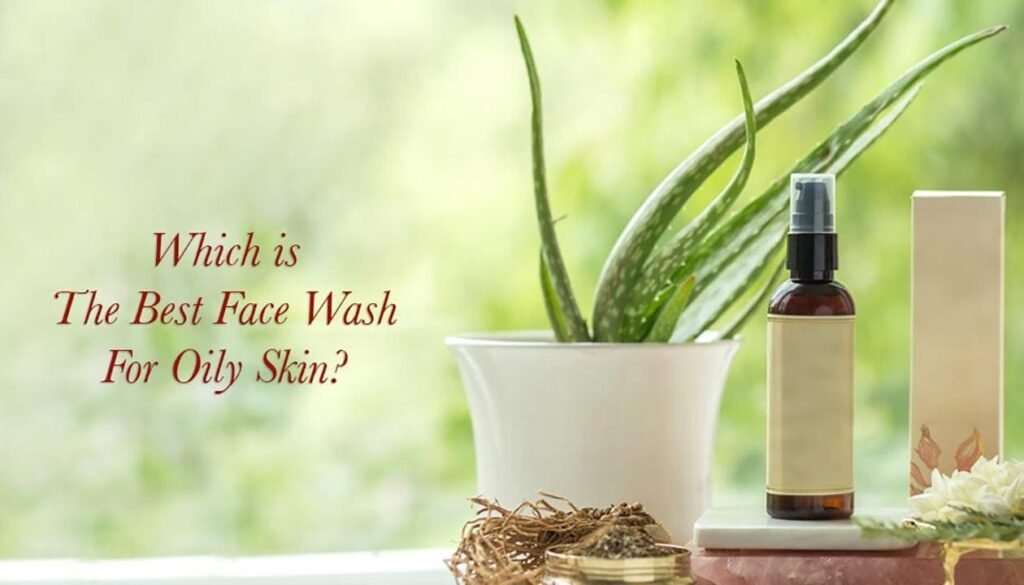
Which face wash textures and formats are best for different oily skin profiles and climates?
The best texture for a face wash for oily skin depends on how oily the skin is, whether it is also sensitive or dehydrated, and where the customer lives. Gels, gel-creams, foaming washes, clay cleansers and syndet bars can all work well if the formulation is balanced. Lighter textures usually perform better in hot, humid climates, while slightly richer gel-creams can support oily but dehydrated skin in drier or air-conditioned environments.
Matching texture to user preference and environment
| Texture / format | Best suited for | Main advantages | Possible drawbacks |
|---|---|---|---|
| Clear gel | Classic oily, combination, acne-prone profiles | Fresh feel, easy rinse, familiar format | Can feel drying if surfactants are too strong |
| Low-foam gel-cream | Oily but dehydrated or sensitive-oily skin | Gentle, more cushioning, better comfort after washing | Needs good design to avoid residue |
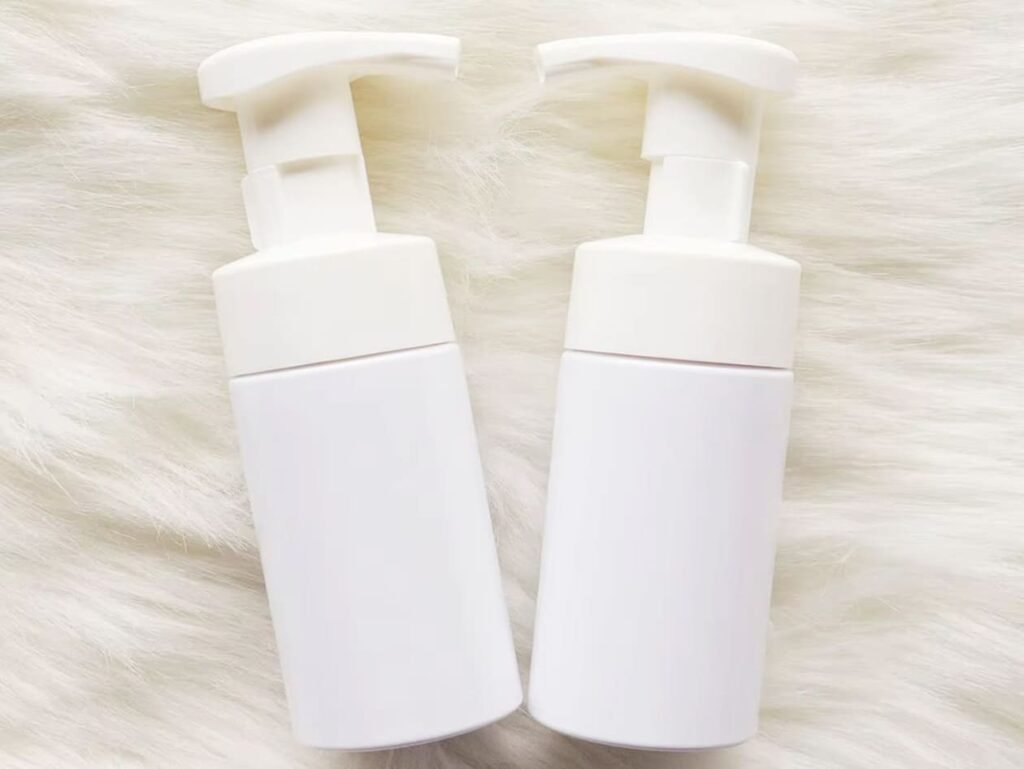
| Foaming pump wash | Oily skin in hot and humid climates | Light airy foam, pleasant, feels like a deep clean | Foam can be associated with harshness for some |
| Clay or mud cleanser | Very oily T-zone or congested skin a few times per week | Extra deep clean, helps with shine and blackheads | Overuse may dry or irritate the barrier |
| Syndet cleansing bar | Oily or combination users who prefer low-waste, simple packaging | Travel-friendly, can be pH-balanced, minimal plastic waste | Requires diligent formulation to avoid dryness |
Including texture descriptions and photos or renders on your website helps users quickly understand what they’re buying and how it will feel on their skin.
The role of climate and lifestyle
Climate quietly shapes how a face wash for oily skin should feel and behave:
- In hot and humid settings, users often want that ultra-fresh, quick-rinse sensation. Heavy textures can feel suffocating and cause more shine.
- In cold or dry environments, air-conditioning or heating can dehydrate oily skin, making gel-creams with hydrating ingredients more attractive.
- People who train frequently or work outdoors may need a cleanser that stands up to sweat and pollution without requiring multiple harsh washes.
For brands selling internationally, it can be smart to offer two or three textures in the same oily-skin line so retailers can choose the best versions for their climate and customer base.
Designing a texture portfolio for your brand
A simple yet strong portfolio could look like this:
- A daily gel cleanser for oily and combination skin.
- A comfort-focused gel-cream cleanser for dehydrated or sensitive-oily users.
- A clay-based deep cleanser to be used a few times a week on problem areas.
All three can share a consistent packaging language. Zerun cosmetic can help you align textures, packaging and price points so the line feels cohesive and easy to shop.
How do you choose the right face wash for oily skin if you also have acne, sensitivity, or combination areas?
When oily skin is mixed with other concerns such as acne, sensitivity or dry patches, the cleanser has to do a little more “thinking” for the user. The right face wash for oily skin in these cases is one that balances cleansing power with comfort, avoids obvious irritants, and cooperates with any treatment products in the routine. It should never turn one problem down while turning another one up.
Different combinations, different priorities
| Skin situation | Main worries | Cleanser features that help |
|---|---|---|
| Oily + acne-prone | Breakouts, clogged pores, rough texture | BHA or gentle exfoliants, non-comedogenic formula, low residue |
| Oily + sensitive | Redness, burning or stinging, visible irritation | Very gentle surfactant system, fragrance-free or low-allergen scent |
| Oily + dehydrated | Shine but also tightness and flaky areas | Lots of humectants, barrier-supporting ingredients, low alcohol |
| Combination (oily T-zone) | Oily center, normal or dry outer areas | Balanced cleansing, comfortable on cheeks, adjustable use |
This table can be turned into a quick guide that helps shoppers self-select the right cleanser on your product page or Amazon listing.
Oily and acne-prone skin
When acne is part of the picture, a face wash for oily skin needs to gently support pore decongestion without making the barrier more fragile. Good options include:
- Low to moderate levels of salicylic acid to help dissolve oily plugs.
- Plant extracts or zinc compounds that support a calmer-looking, less shiny skin surface.
- Soothing ingredients that reduce the risk of redness and dryness, especially if the user is also applying strong leave-on treatments.
Communication is key. Your product description should explain that the cleanser prepares the skin and supports acne care, but serious acne still needs a full routine and sometimes medical advice.
Oily and sensitive skin
For oily skin that reddens or stings easily, any face wash must be both oil-aware and comfort-focused:
- Surfactants should be especially gentle and ideally used in balanced blends.
- Fragrance-free versions are often the safest choice, especially for users who have reacted to perfume in the past.
- The formula should prioritise soothing and barrier-friendly ingredients so the user doesn’t feel they are sacrificing comfort to manage shine.
A “for oily, sensitive skin” version of your cleanser can help your brand speak to a group of consumers who often feel overlooked.
Oily and combination skin
Combination skin asks for flexibility. Many people happily use a face wash for oily skin across the whole face, but adjust how they use it:
- Gently massage longer on the T-zone where oiliness and clogged pores are worst.
- Shorten contact time on cheeks that are normal or slightly dry.
- Combine with a more hydrating moisturizer on drier areas so the overall routine stays balanced.
Including these small tips in your materials makes your brand feel human and practical, not just technical.

How should you use a face wash for oily skin in your daily routine (frequency, double cleansing, water temperature)?
Most people with oily skin do well with cleansing twice per day: once in the morning and once in the evening. A face wash for oily skin fits best after makeup removal (if needed) and before serums and moisturizers. Lukewarm water and gentle movements work better than hot water and scrubbing. Over-cleansing usually leads to more issues, not fewer.
Daily routines for different oily-skin situations
| Skin profile | Morning routine example | Evening routine example |
|---|---|---|
| Oily + acne-prone | Face wash for oily skin → light acne serum → oil-free gel moisturizer → SPF | Makeup remover if needed → face wash for oily skin → acne serum → light moisturizer |
| Oily + sensitive | Gentle oily-skin cleanser → calming serum → barrier cream → sunscreen | Gentle oily-skin cleanser → soothing serum → comforting cream |
| Oily + dehydrated | Hydrating gel-cream cleanser → hydrating serum → gel-cream → SPF | Makeup remover if needed → hydrating cleanser → slightly richer gel-cream |
These routines can be adapted by territory, climate and lifestyle. The important thing is that the face wash is seen as a stable, daily step that users can keep long term.
How often should oily skin be cleansed?
Twice daily is a good general rule for most oily-skin profiles:
- In the morning, cleansing removes overnight sweat, skincare residue and any excess sebum.
- In the evening, cleansing removes sunscreen, makeup, city pollution and daily build-up.
Some people like an extra rinse after heavy exercise. In those cases, it is better to use a very gentle cleanser or just water rather than repeatedly scrubbing with a strong formula.
Double cleansing and oily skin
For users who wear long-wear makeup or heavy sunscreen, double cleansing can be a game changer:
- Start with a cleansing balm, oil or micellar water to break down pigments and sunscreen.
- Follow with a face wash for oily skin to clean off any remaining residue and refresh the surface.
This two-step method usually feels more comfortable and effective than trying to handle everything with one aggressive wash. For brands, pairing a remover and an oily-skin cleanser in a set is a smart way to increase basket size and encourage proper routines.
Water temperature, tools and massage
- Lukewarm water is ideal. Hot water can inflame the skin and actually increase oil production later.
- In most cases, fingertips are enough for cleansing. Very abrasive tools can cause micro-damage and worsen redness.
- A gentle circular massage for 30–60 seconds helps the cleanser work without needing harsh ingredients.
Clear, simple instructions like this make new customers feel guided and supported, which can translate to better results and better reviews.
Do face washes for oily skin really control shine all day, and what results can you realistically expect?
A well-formulated face wash for oily skin can improve shine control and skin clarity, especially when used consistently. It can remove oil and leave the skin fresher and more balanced. However, no cleanser alone will keep the skin perfectly matte for an entire day or replace targeted treatments and suitable moisturizers. Realistic expectations are important both for consumers and for brands.
What a cleanser can reasonably achieve
A good oily-skin cleanser can:
- Leave the skin feeling lighter and less greasy right after use.
- Help prevent build-up of sebum and dead cells that contribute to clogged pores.
- Create a smoother, cleaner surface so skincare and makeup apply better.
- Contribute to fewer and less severe breakouts over time when combined with other suitable products.
It cannot permanently switch off oil glands or compensate for genetics, hormones, diet and lifestyle. This honest, balanced message tends to build more loyalty than big promises that don’t match real experience.
Typical timeframes for change
Everyone’s skin is different, but certain timelines are seen often:
- Immediately: skin feels cleaner, lighter and more refreshed.
- After around two weeks of daily use: texture may feel smoother, T-zone less “heavy”.
- After one to two months: clogging and breakouts can appear reduced, provided the rest of the routine is well chosen.
If a brand invests in instrumental testing or user perception studies, these timeframes can be translated into specific marketing claims. Even without formal testing, explaining typical timelines helps customers have patience and evaluate results more fairly.
Shine control and the rest of the routine
Shine levels during the day are influenced by:
- Cleansing habits.
- The moisturizer and sunscreen used after cleansing.
- Environmental factors such as heat and humidity.
- Makeup formula choices.
A face wash for oily skin works best when the follow-up products are also designed for oily or combination skin—lightweight, breathable and supporting the same goals. This is why many successful brands build a full oily-skin range rather than a single cleanser.

How can skincare brands develop a private-label face wash for oily skin with an OEM/ODM manufacturer?
Developing a private-label face wash for oily skin is a strategic process rather than a simple “pick a formula and print a label” moment. Brands need to be clear about their target customer, core claims, texture preferences, regulatory markets and budget. A good OEM/ODM partner helps translate that vision into a stable, safe and market-ready cleanser that fits the brand’s identity.
Decisions to clarify before talking to the factory
Before sending a brief, it helps to sit down and answer a few practical questions:
- Who is the main user: teenagers with acne, busy adults with combination skin, or sensitive-oily profiles?
- Which markets are you targeting first: US Amazon, European retailers, Asian e-commerce, or a mix?
- What price level do you want: accessible, mid-range or premium?
- Do you want a clean, vegan, fragrance-free angle or a more sensorial, spa-like style?
The clearer this thinking is, the easier it will be for the factory to present suitable base formulas and packaging options.
A practical briefing checklist for an oily-skin cleanser
Here is a simple structure you can adapt into an email or document when approaching Zerun cosmetic or another OEM/ODM partner:
| Brief element | What to define for a face wash for oily skin |
|---|---|
| Product role | Daily face wash for oily / oily-acne / combination / sensitive-oily |
| Target markets | Countries, regions and main sales channels |
| Texture | Clear gel, low-foam gel-cream, foaming wash, clay cleanser, syndet bar, etc. |
| Key actives & claims | BHA, niacinamide, zinc PCA, soothing plant extracts, fragrance-free or not |
| Fragrance approach | No fragrance, low-allergen scent, or stronger signature scent |
| Packaging | Tube, pump bottle, foaming bottle, bar format; volume sizes and materials |
| Compliance & tests | US, EU, UK, other local regulations; desired level of safety and performance tests |
| Pricing & MOQ | Target ex-factory price range and expected order sizes |
| Launch timing | When you want samples, production and first shipment |
This type of brief saves time on both sides and shows that you have a professional approach to product development.
Why partner with Zerun cosmetic for oily-skin face washes?
Zerun cosmetic is a manufacturing factory with years of experience in skincare, including many kinds of face wash for oily skin. The company already works with overseas small to medium sellers and high-end brands, providing:
- Custom formulas and texture adjustments tailored to different markets and skin profiles.
- Free basic packaging and label design support, making it easier for founders who are still building their visual identity.
- Free samples at the development stage so you can test texture, scent and performance before committing.
- Manufacturing under reliable quality systems, together with guidance on how to align with regulatory expectations in key regions.
Whether you want to start with a proven oily-skin base and customise actives and fragrance, or design an entirely new concept with a special ingredient story, an experienced OEM/ODM partner can help manage both creative and technical challenges.
Conclusion
Choosing or creating the best face wash for oily skin is about much more than promising a “deep clean.” The cleanser has to respect the skin’s barrier, understand the difference between oily, combination and dehydrated-oily profiles, and work in harmony with the rest of the routine. Ingredients, textures and usage habits all matter: mild surfactants, supportive actives, climate-appropriate textures and realistic expectations about shine control come together to create long-term satisfaction. For brands, this category offers strong demand, but success depends on a thoughtful formula and clear positioning, not just a trendy label.
If you are planning to launch or upgrade a face wash for oily skin and want a partner who can handle both formulation and manufacturing, Zerun cosmetic can help. With experience in custom skincare, flexible MOQs, free design support and sample development, Zerun works with overseas small to medium sellers and high-end brands to build private-label products that feel good on the skin and make sense in the market. You can share your target skin profile, channel and budget, and co-create an oily-skin cleanser that carries your own logo and brand story.