Skip to content
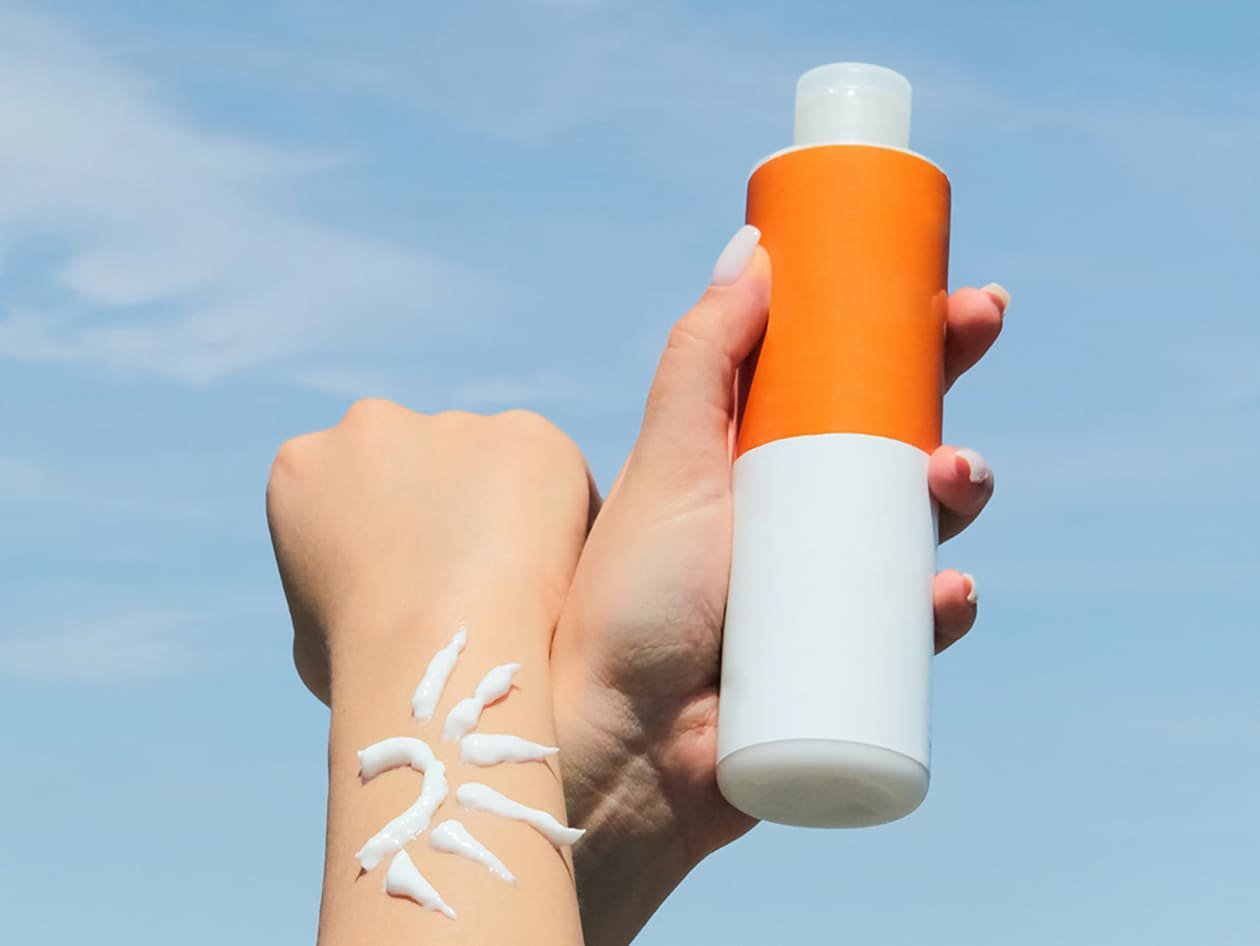
You stand in front of a shelf, or scroll through an endless product list online, and everything claims to be the “best sunscreen”. SPF 30, SPF 50+, mineral, chemical, hybrid, water-resistant, reef-safe, tone-up, anti-aging… It’s exciting, but also overwhelming. If you’re simply trying to protect your skin, or if you’re a brand owner planning your own sunscreen line, the noise can be exhausting.
The best sunscreen is the one that gives reliable broad-spectrum protection, feels so comfortable that people actually apply it in the right amount, and fits their real lifestyle and budget. It should match local regulations, skin types and skin tones, and be backed by sensible testing and honest communication. There is no single perfect formula for everyone, but there is a “best fit” sunscreen for each kind of user and each target market.
In this guide, we’ll look at filters, SPF and UVA ratings, textures, regulations and testing, plus how you can work with an OEM/ODM partner like Zerun cosmetic to create sunscreens that customers trust and enjoy using every day.
What does “best sunscreen” ?
When people say “best sunscreen”, they rarely mean the highest SPF in a lab test. In real life, the best sunscreen is the one that people are willing to use generously and regularly. It must balance strong protection with a pleasant feel, fit into daily routines, and respect the rules of the markets where it will be sold.
Why isn’t the highest SPF always the best sunscreen?
On paper, very high SPF looks impressive. In practice, things are more complicated. A thick, heavy SPF 50+ that feels sticky, pills under makeup and stings the eyes will not be used correctly. A user might:
- Apply far too little because they dislike the texture
- Avoid reapplying at lunch because it ruins foundation
- Switch to using it only on holidays instead of daily
Meanwhile, a comfortable SPF 30–50 that feels light, blends well and doesn’t burn the eyes is much more likely to be applied in the right amount, every day. For many people, that product is the true “best sunscreen”, even if the SPF number looks lower on the label.
What are the non-negotiables for a good sunscreen?
No matter what a brand promises, a sunscreen must achieve a few core things:
- Broad-spectrum protection: covering both UVB (burning) and UVA (aging and deep damage).
- Stability: filters and formula should remain effective for the claimed shelf life, under typical use conditions.
- Skin compatibility: suitable for the target audience (oily, dry, sensitive, children, etc.).
- Reasonable texture: easy enough to spread and reapply without feeling like a mask.
- Regulatory compliance: all filters and claims allowed in the target markets.
Once these basics are in place, brands can then tune sensorial details, finish, fragrance and positioning to create their version of “best”.
How does user behaviour redefine “best”?
If a sunscreen lives in a handbag, on a desk or in a child’s school bag and is actually used, it is doing its job. If it looks beautiful on social media but nobody likes how it feels, it is not protecting anyone.
For brand owners and private-label buyers, this is an important mindset shift. The best sunscreen is not only what looks strong on a spec sheet—it’s the one that customers reorder because it fits their day-to-day reality. A good OEM/ODM partner should help you keep this balance in focus while working through the technical details.

What types of sunscreen filters are available, and how do they compare?
Modern sunscreens rely on three broad filter strategies: chemical filters, mineral filters and hybrid systems that mix both. None is always the best sunscreen choice on its own. The right filter strategy depends on regional rules, skin tone, skin sensitivity, brand story and cost.
How do chemical filters work and who are they right for?
Chemical (or organic) filters absorb UV radiation and convert it into a lower-energy form, such as heat. They are widely used because they:
- Allow clear or lightly tinted formulas with minimal white cast
- Work well in fluid, gel and lotion textures
- Offer many options for tailoring UVB and UVA curves in regions with broad filter lists
They are often preferred for:
- Everyday face sunscreens worn under makeup
- Medium to deep skin tones who hate grey cast
- Users who want “invisible” or “serum-like” protection
However, not all markets have access to the same chemical filters. The US, for example, has a smaller approved list, while Europe and many Asian countries allow more modern filters with strong UVA coverage and good photostability.
What about mineral sunscreens—are they automatically safer or better?
Mineral filters like zinc oxide and titanium dioxide sit on the skin surface and scatter, reflect and absorb UV radiation. They’re popular in gentle marketing stories because:
- They can offer strong broad-spectrum coverage when used correctly
- They are often perceived as suitable for sensitive or fragile skin
- Many parents like them for young children, especially when fragrance-free
At the same time, mineral sunscreens can be:
- Prone to visible white or grey cast, especially on darker skin tones
- Harder to turn into ultra-light, fluid textures
- More technically challenging to stabilise at high loadings while keeping a pleasant feel
For some brands, the best sunscreen line includes at least one mineral or mineral-heavy option targeted to sensitive users, babies, children or those seeking a specific “simple” or “minimal” ingredient story.
Why are hybrid filter systems often a smart compromise?
Hybrid sunscreens combine chemical and mineral filters to leverage the strengths of each:
- Mineral particles provide reassuring coverage and can boost UVA protection
- Chemical filters help reduce white cast and improve spreadability
- The formula becomes more flexible in terms of finish and comfort
Hybrid systems are attractive for:
- Daily face products serving a wide range of skin tones
- Markets that are comfortable with both mineral and modern chemical filters
- Brands seeking a balance between natural-leaning messages and sensorial performance
Filter strategies compared at a glance
| Filter approach | Main strengths | Typical drawbacks | Good candidates for… |
|---|---|---|---|
| Chemical | Clear, elegant textures; minimal white cast; flexible design | Requires careful filter choice and stability work | Daily face sunscreens, under makeup, wide tone range |
| Mineral | Strong physical presence on skin; “gentle” perception | White cast, heavier feel, more challenging textures | Sensitive skin, baby/children, niche or “simple” formulas |
| Hybrid | Balance of coverage, comfort and appearance | More complex formulation and regulatory planning | Mainstream daily sunscreens across multiple skin tones |
When working with a manufacturer like Zerun cosmetic, you can explore which filter strategy fits your main regions and customer expectations, and whether you need one hero formula or a small family of sunscreens.
Which SPF and UVA ratings make sense for different people and lifestyles?
SPF and UVA ratings are central when people search for the best sunscreen. Still, numbers alone do not tell the full story. A realistic approach considers how much sun the user gets, how often they reapply, their skin tone and their comfort level with heavier or lighter textures.
How should we understand SPF levels in everyday terms?
SPF mainly describes protection against UVB, the radiation most associated with sunburn. Higher SPF means more protection, but the increase is not linear.
| SPF on label | Approximate UVB blocked in lab | Typical everyday role |
|---|---|---|
| 15 | Around 93% | Short exposures, low-intensity sun, everyday in mild climates |
| 30 | Around 97% | Daily city use, moderate sun for many skin tones |
| 50 | Around 98% | Higher sun exposure, fair skin, outdoor activities |
| 50+ | Slightly more than 50 | Very high exposure, very fair or vulnerable skin |
In reality, most users apply less than the tested amount, so SPF 30 may behave more like SPF 20 in daily life. This is why a comfortable, easy-to-spread formula is so important—it encourages people to apply enough.
Why is UVA protection as important as SPF?
UVB burns, but UVA penetrates deeper and is strongly linked to premature aging and long-term damage. A sunscreen that only focuses on UVB is not truly the best sunscreen for long-term skin health.
Some markets use systems like PA+++ or PA++++ to signal strong UVA protection, while others use symbols or ratios. As a simple rule, aim for:
- Broad-spectrum coverage on the label
- High UVA performance for daily face products, especially anti-aging or anti-spot lines
This is particularly important for consumers who already use active ingredients like retinoids, acids or vitamin C, which can make the skin more sensitive to light.
How can brands match SPF/UVA to different lifestyles?
Different audiences live very different days.
| User profile | Typical day | Smart SPF/UVA choice |
|---|---|---|
| Office worker, city | Commute + windows + lunch outside occasionally | SPF 30–50 with strong UVA protection for face and neck |
| Outdoor worker or sports fan | Many hours in open sun, sweating, water exposure | SPF 50 or 50+, durable texture, water-resistant where allowed |
| Student with mixed routine | Indoor classes, some outdoor time, weekend activities | Versatile SPF 30–50 face sunscreen; body sunscreen for trips |
| Active holiday traveller | Intense short-term sun, water, sand, wind | Stronger SPF 50+ face and body, good water resistance |
The best sunscreen line for a brand often includes one everyday face formula and at least one more robust body or sport option, even if the brand starts small.
Why “enough and often” is as important as the number
A very high SPF used in tiny amounts is not as protective as a moderately high SPF used correctly. Brands can help by:
- Showing visually how much to apply (two-finger rule for face, or specific volume for body)
- Encouraging reapplication every two hours for outdoor days
- Explaining when a lighter SPF 30 daily product is enough and when to step up to SPF 50
From a B2B point of view, the best sunscreen you can offer is one that makes these habits easy rather than fighting against them.
How do texture, finish, and skin type affect which sunscreen feels “best”?
Texture and finish strongly influence how people describe the best sunscreen. Some want an almost invisible gel; others prefer a creamy, nourishing formula. Makeup users care about pilling and shine. Oily, dry and sensitive skin all react differently to the same product. For brands, getting sensorial details right is just as important as choosing the right filters.
Why does skin type play such a big role in sunscreen comfort?
Skin type changes how a formula feels within minutes of application.
| Skin type | Common sunscreen complaints | Texture direction that can help |
|---|---|---|
| Oily or acne-prone | Feels greasy, causes breakouts, makes shine worse | Lightweight gel or fluid, semi-matte finish, non-comedogenic |
| Combination | Oily T-zone, dry cheeks; uneven look | Balancing lotion or fluid, adjustable with skincare under it |
| Dry or mature | Feels tight, flaky, lines look worse | Creamier textures with emollients and humectants |
| Sensitive or reactive | Stinging, redness, tightness after application | Gentle bases, fragrance-free versions, careful filter choice |
The best sunscreen line for a cross-border brand might include different bases for different regions or for different product series (anti-aging, acne control, family use).
How does climate change sunscreen preferences?
Climate can completely redefine what feels like the best sunscreen:
- In hot, humid regions, people often prefer thin, non-sticky formulas that set quickly and don’t make them sweat more. Gel or milk textures are popular here.
- In cold, dry climates or heavily air-conditioned environments, people may need more nourishment. A slightly richer lotion or cream can protect both from cold wind and heating-related dryness.
- In urban, polluted environments, users may want a sunscreen that also feels like a protective veil against pollution and daily dust, sometimes combined with antioxidant ingredients.
If your brand sells in several regions, it can be smart to adapt textures without changing your entire identity, so your “best sunscreen” really fits each location.
How does finish (matte, natural, dewy) influence perceived quality?
Finish is how the sunscreen looks and feels after it has settled:
- Matte or semi-matte finishes are popular for oily or combination skin and under makeup. They help control shine and improve foundation wear.
- Natural or skin-like finishes fit the widest range of people, because they neither exaggerate glow nor look flat.
- Dewy or luminous finishes are loved in certain markets, especially for dry or normal skin and trends that celebrate “glass skin”.
A sunscreen can be technically good but rejected because its finish doesn’t match local beauty ideals. Thinking about finish early in product development can save time later.
Why makeup compatibility matters for many users
For many people, especially those who use foundation or BB/CC creams, the best sunscreen is the one that doesn’t disturb makeup. That means:
- No heavy pilling when foundation is applied on top.
- Reasonable dry-down time so the base doesn’t slide.
- Good behaviour with both silicone-based and water-based makeup.
Testing your sunscreen with common makeup products and explaining “makeup friendly” benefits on the product page can strongly differentiate your formula in a crowded market. Zerun cosmetic can adjust emulsion systems and powder content to help reach that sweet spot.
How do regional rules and safety standards shape sunscreen formulas?
When you look behind the scenes, the best sunscreen is not just about filters and feel—it’s also about law and safety. Different regions treat sunscreen differently: as a cosmetic, as an over-the-counter drug, or something in between. These classifications affect which filters you can use, what claims you can make and what paperwork you need.
Why do different regions allow different UV filters?
Local health authorities examine scientific data on UV filters and decide which ones are allowed, in what concentrations, and under which conditions. As a result:
- The United States currently allows a limited list of filters through the FDA process, many of which have been on the market for a long time.
- The European Union and some other regions have approved a wider set of modern filters, offering flexible combinations and strong UVA coverage.
- Countries in Asia often have their own categories and rules, such as quasi-drug lines in Japan and Korea that include powerful sunscreen options.
For brand owners, this means a formula designed as the best sunscreen for an EU audience might not be directly exportable to the US, and vice versa. Reformulation may be necessary to respect each region’s filter list.
How do claims and labels differ across markets?
Beyond the formula itself, different regions also control:
- How SPF should be tested and expressed
- Which words are allowed or discouraged (for example, some markets avoid “sunblock”)
- How UVA protection should be indicated (symbols, ratings, or specific labelling rules)
- What warning statements and directions are mandatory
A sunscreen that looks similar in different countries may have slightly different labels or claims to align with local laws. Failing to follow these details can lead to products being delayed or rejected by authorities or by online platforms.
Why are stability and safety tests part of “best”?
A sunscreen must be stable over its shelf life and safe for the intended users. That means:
- Stability testing, so filters and emulsions do not separate or degrade prematurely
- Microbiological testing, particularly for water-based products used on the body
- Compatibility testing with packaging, so no unexpected interactions occur
For sensitive-skin, baby or facial sunscreens, extra tests such as dermatologist supervision or patch tests may be appropriate. A well-designed testing plan reassures both regulators and consumers that your “best sunscreen” is also a safe sunscreen.
Regulatory awareness as a brand advantage
Instead of seeing regulations as a barrier, many successful brands treat them as part of their quality story. Being able to say, “This sunscreen was developed with export compliance in mind,” or “We follow regional safety guidance closely,” helps build trust. Working with a partner like Zerun cosmetic, which is familiar with multiple markets, can make this process smoother.
How can brands test, label, and explain their sunscreen so customers trust it?
The best sunscreen in the world is useless if consumers doubt its claims. Testing, review of data and clear explanations turn a formula from “another SPF product” into something people rely on. This is especially important for B2B brand owners facing educated customers and competitive online marketplaces.
What types of tests do brands commonly use?
Depending on the region and positioning, brands may use:
- SPF testing to confirm the labelled protection level under standardised conditions
- UVA or broad-spectrum testing to demonstrate deeper protection
- Water-resistance testing if they want to claim that the sunscreen remains effective during swimming or sweating
- Stability and packaging compatibility tests to check how the formula behaves over time and at different temperatures
For premium lines, extra tests like non-comedogenicity (for acne-prone skin), ophthalmologist review (for eye area safety) or sweat resistance for sports products can further support trust.
How can brands communicate results in a clear, everyday way?
Most consumers don’t read raw lab reports. Instead, they look for simple, understandable phrases:
- “Broad-spectrum SPF 50 for daily protection against sunburn and premature aging”
- “Water-resistant for up to 40 minutes of swimming or sweating when used as directed”
- “Suitable for sensitive skin and tested under dermatologist supervision”
Explaining how to use the sunscreen correctly is equally important:
- How much to apply to the face or body
- How long before sun exposure to apply
- How often to reapply, especially in intense conditions
This sort of simple guidance transforms technical testing into practical value.
Why education on routines and layering matters
The best sunscreen does not live alone; it is part of a routine. Customers often ask:
- “Can I use this sunscreen with my vitamin C serum or retinoid?”
- “Should I apply sunscreen before or after moisturizer?”
- “Can I use it around my eyes?”
Clear answers in your FAQ, product page or packaging insert can remove confusion and encourage consistent use. Zerun cosmetic can help structure these messages for different territories and skin concerns.
How can you work with an OEM/ODM partner to create the best sunscreen for your brand?
Developing the best sunscreen for your brand requires both creativity and technical strength. An experienced OEM/ODM partner can guide you through filter choices, textures, packaging, testing and documentation. The clearer your goals, the easier it is to move from idea to finished product with your logo on it.
What information should you prepare before contacting the factory?
Before you reach out to Zerun cosmetic, it helps to clarify a few points inside your team:
- Who is your main target user: young, oily-skin customers; families with kids; anti-aging clients; outdoor sports fans; or a mix?
- Which markets are you targeting first: US Amazon, EU pharmacies, Southeast Asian e-commerce, Middle Eastern distributors, or others?
- What price level are you aiming for: accessible mass, masstige or premium?
- What filter story do you prefer: mineral, chemical, hybrid, or different options for different SKUs?
Having answers to these questions will make your first conversations faster and more productive.
How can you structure a sunscreen development brief?
A simple briefing structure can keep you focused and give the factory the information they need:
| Brief section | Points to define for your best sunscreen project |
|---|---|
| Brand position | Main story (derma-style, natural-leaning, trendy, family-friendly, etc.) |
| Target audience | Age range, key skin types, lifestyle and main sun exposure situations |
| Product role | Daily face, body, sport, kid’s sunscreen, tone-up, hybrid skincare-SPF, etc. |
| Filter approach | Mineral, chemical or hybrid; openness to alternatives based on regulations |
| SPF and UVA goals | Example: SPF 30 PA+++ for daily use; SPF 50+ water-resistant for holidays |
| Texture and finish | Gel, lotion, cream, stick, spray; matte, natural, or glowy finish |
| Regions and channels | Countries, online platforms, retail partners |
| Testing priorities | Which tests are needed for each target market and claim |
| MOQ and pricing | Desired first order quantity and target ex-factory price range |
How does Zerun cosmetic support B2B sunscreen projects in practice?
Zerun cosmetic is a factory with years of experience in custom skincare manufacturing. For sunscreen and UV-care projects, Zerun can:
- Offer existing base formulas tuned for different skin types, textures and SPF levels
- Adjust filters and textures to match your regulatory regions and sensory preferences
- Provide free basic design support for packaging and labels so you can visualise the line
- Supply free development samples so you and your team can test feel, scent and performance
- Work with MOQs suitable for overseas small and medium buyers, as well as more established brands
Because Zerun cosmetic already works with international clients, the team is used to discussing export requirements, Amazon-friendly positioning and the practical constraints of cross-border shipping and labelling.
Why thinking in terms of a sunscreen “family” can be smarter than just one SKU
Instead of trying to create a single universal “best sunscreen”, many brands do better with a small, well-positioned range, for example:
- One everyday facial sunscreen with a makeup-friendly texture
- One stronger, more water-resistant body sunscreen for holidays and sports
- One specialised product, such as a kids’ formula or sensitive-skin mineral option
Starting with one or two SKUs is fine. The key is that each formula has a clear role and target. Zerun cosmetic can help you plan a roadmap so your sunscreen line can grow over time without losing coherence.

Conclusion
The idea of the “best sunscreen” can sound simple at first, but once you dig into daily habits, filter chemistry, regional rules and skin diversity, you see how many moving parts sit behind a single bottle. For everyday users, the best sunscreen is one they actually enjoy wearing: it protects against both burning and long-term damage, fits easily into their routine and feels good on their skin type in their climate. For brand owners, the best sunscreen is also a product that respects regulations, survives transport and storage, earns positive reviews and encourages repeat purchases.
A thoughtful sunscreen strategy combines sensible SPF and UVA levels, filter choices that match the target markets, textures and finishes tuned to skin types, and clear guidance on how to use the product. When you work with an experienced OEM/ODM factory like Zerun cosmetic, you don’t have to solve all of this alone. Zerun can help you design and test sunscreens that match your brand story, from minimal mineral lotions to lightweight hybrid facial fluids, with packaging and claims aligned to your sales channels. If you’re ready to turn your version of the “best sunscreen” into real products with your own logo and design, you can reach out to Zerun cosmetic to discuss brief, samples and launch timing for your next UV-care project.