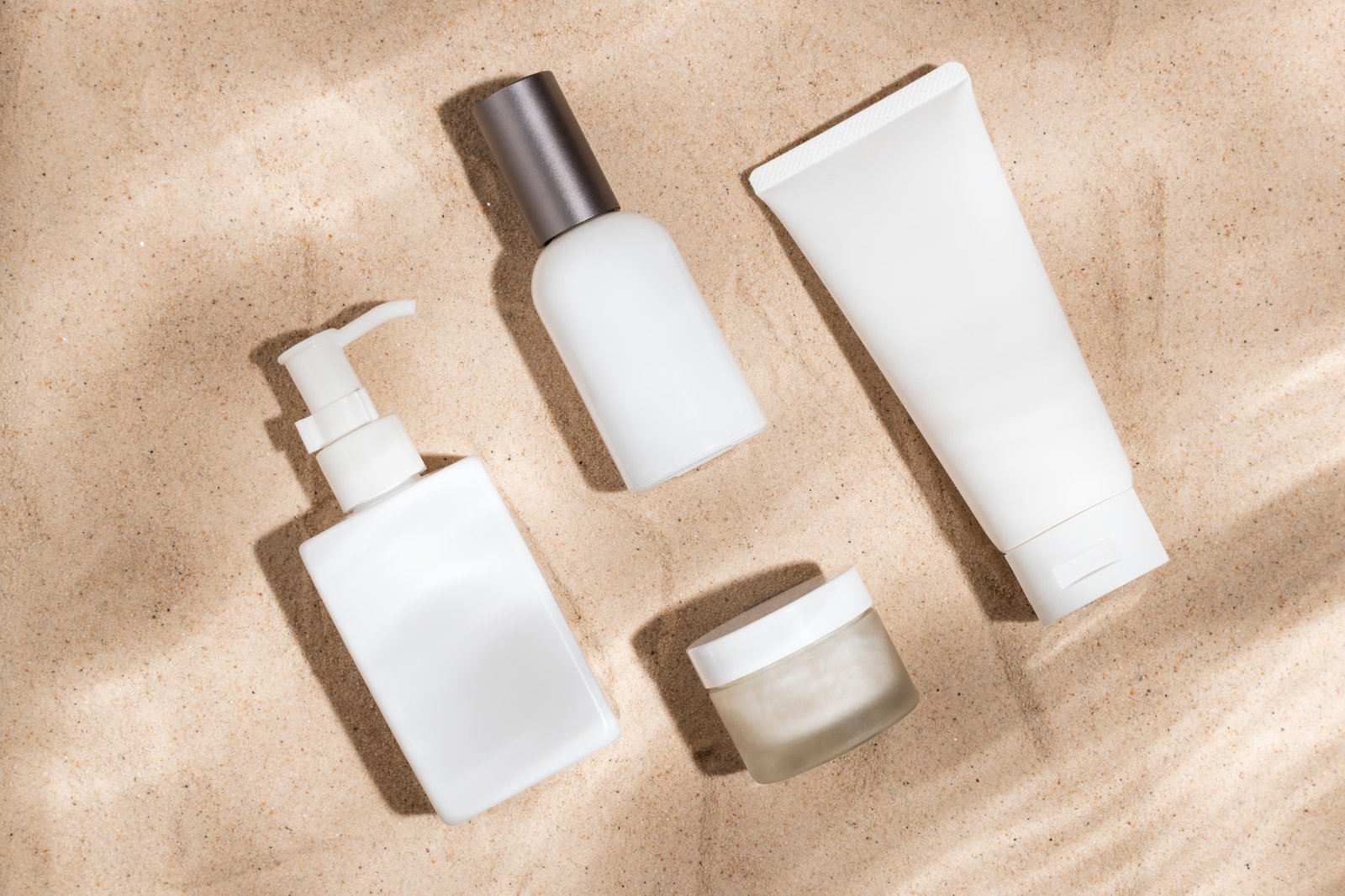
Starting a beauty brand can be an exciting venture, but it’s important to understand the financial aspects before diving in. From initial product development to ongoing marketing and operations, the costs can vary widely depending on the type of brand you want to create. The beauty industry is a billion-dollar market, with many new brands popping up every day, but only those with solid financial planning and effective strategies succeed. In this guide, we’ll explore the breakdown of the costs involved in starting a beauty brand and provide insights into the steps you need to take to make it profitable.
The cost to start a beauty brand varies significantly depending on product development, marketing, manufacturing, and distribution. Costs can range from a few thousand dollars for a small-scale operation to over $100,000 for a more established brand. With strategic planning, beauty brands can be profitable and build strong customer bases over time.
In the competitive beauty industry, understanding the costs involved is essential for success. Whether you’re looking to launch a skincare line, makeup products, or haircare solutions, knowing what to expect financially can help guide your decisions. From formulation and packaging to online presence and distribution, we’ll explore every aspect of getting your beauty brand off the ground.
What Does it Take to Start a Beauty Brand?
To start a beauty brand, you need a clear vision, a targeted product line, and a comprehensive business plan. The brand must resonate with your audience and be marketed effectively, while also ensuring the products meet safety and regulatory standards.
- Creating a Business Plan: A strong business plan is the foundation of your brand. It should include product goals, target audience, competitive analysis, marketing strategies, and financial projections. A good business plan can attract investors and keep your operations on track.
- Market Research: Before launching your beauty brand, conduct market research to understand customer preferences, pricing, and trends. This ensures your products meet the demand and fill a gap in the market.
- Building Brand Identity: Your brand identity goes beyond your logo—it’s how customers perceive your brand. Craft a story that resonates with your target market, and maintain consistency across all channels, from product packaging to social media.
How Much Does It Cost to Start a Beauty Brand?
Starting a beauty brand can cost anywhere from $2,000 for small-scale businesses to over $100,000 for larger brands. Costs depend on product development, packaging, marketing, and distribution strategies. Careful budgeting can help manage expenses while achieving profitability.
- Small-Scale Startups: If you’re starting small with limited products, your costs might range between $2,000 and $10,000. This typically includes formulating products, setting up a website, basic packaging, and initial marketing campaigns.
- Mid-Range Beauty Brands: For a more extensive product line and bigger marketing campaigns, you can expect to spend anywhere from $10,000 to $50,000. This would also include higher quality packaging, product testing, and professional branding.
- Large-Scale Ventures: Large-scale brands or those targeting retail will need upwards of $100,000. This budget covers advanced product development, manufacturing, large-scale distribution, and a high-profile marketing push.
What Are the Key Expenses for Starting a Beauty Brand?
Key expenses include product development, manufacturing, packaging, branding, and marketing. Product development can cost $500 to $10,000, packaging from $1 to $5 per unit, and marketing can range from a few hundred dollars for social media ads to thousands for larger campaigns.
- Product Development: Developing a beauty product is one of the first significant costs. Depending on whether you’re using a private label (cheaper) or creating custom formulations (more expensive), you can expect to pay anywhere from $500 to $10,000 for initial formulations and testing. For skincare products, the cost may also include clinical trials and safety assessments.
- Manufacturing Costs: Manufacturing costs vary based on volume and complexity. For small batches, expect to pay $2 to $5 per unit, whereas larger volumes can bring the cost down to as low as $1 per unit. Custom formulations or high-end packaging will increase the cost.
- Packaging and Branding: Custom packaging can range from $1 to $5 per unit depending on the design, materials, and quality. High-end packaging or sustainable options can raise the cost further. For instance, glass packaging is generally more expensive than plastic.
- Marketing and Advertising: Marketing costs can vary widely. Small campaigns might cost around $500 to $2,000 for social media ads, influencer partnerships, and Google Ads. Larger brands investing in professional photoshoots, PR, and influencer campaigns could spend anywhere from $10,000 to $50,000 for initial brand exposure.
How Do You Choose the Right Products for Your Beauty Brand?
The products you choose to launch should align with your brand’s identity and target market. Understanding customer needs and industry trends is key to selecting products that will succeed.
Choosing the right products involves understanding your target market’s needs and current industry trends. Start with a few core products and expand based on demand. Skincare and makeup products are popular choices, but it’s crucial to fill a market gap.
- Market Trends: Consider popular trends like clean beauty, vegan products, or anti-aging solutions when selecting products. Research your competitors and see what products are lacking in the market. For example, if there’s a growing demand for sustainable skincare, this could be a great niche to tap into.
- Start Small: Focus on a small, carefully selected product line to launch your brand. Skincare lines with essential products such as cleansers, moisturizers, or serums are often popular for new brands. Expanding gradually helps you maintain quality while staying within your budget.
- Testing and Feedback: Before launching full-scale, consider producing samples for feedback. Offer samples to your target audience or influencer partners to gauge interest and make necessary adjustments to your formulations.
Which Are the Best Ways to Source Beauty Products?
Beauty products can be sourced in various ways—private label, contract manufacturers, or custom formulations. The method you choose will significantly affect your startup costs and control over the final product.
Sourcing products can be done through private labeling, contract manufacturing, or custom formulations. Private labeling is cost-effective, while custom formulations offer higher control and uniqueness, but come with higher costs. Choose based on your brand vision and budget.
- Private Labeling: Private labeling is the most cost-effective way to start. It involves purchasing pre-made products from manufacturers and selling them under your brand name. This can cost between $1 to $10 per unit depending on the product and quantity.
- Contract Manufacturing: Working with a contract manufacturer allows you to create custom products. You have more control over the formulation and ingredients, but it comes with a higher price tag. MOQs (minimum order quantities) usually start at 500 units, which can raise initial costs.
- Custom Formulations: If you want truly unique products, custom formulations are the way to go. This option is the most expensive and requires working with a cosmetic chemist. Product development and testing can cost anywhere from $5,000 to $20,000 or more depending on the complexity.
What Is the Role of Branding and Marketing in the Cost of Starting a Beauty Brand?
Branding and marketing are vital for standing out in a crowded beauty market. Effective marketing campaigns can range from $500 for small-scale influencer marketing to $10,000+ for large-scale campaigns, including paid advertising, PR, and social media efforts.
- Logo and Packaging Design: Custom-designed packaging and logos can cost from $500 to $5,000. High-end or sustainable packaging might push costs higher, but it’s essential for creating a memorable and marketable product that resonates with your target audience.
- Marketing Campaigns: Social media ads, influencer partnerships, and paid campaigns can start at around $500, but most brands will spend $5,000 to $50,000 for a full-scale launch. Influencers typically charge $100 to $10,000 per post depending on their following.
- Public Relations: PR campaigns, especially for new beauty brands, can cost anywhere from $1,000 to $20,000 for media placements, influencer collaborations, and press kits.
How Do You Create an Effective Distribution Strategy for Your Beauty Brand?
Having a distribution strategy is key to ensuring that your beauty products reach your customers. Whether you’re selling directly to consumers online or through retail stores, there are various costs and strategies involved in getting your products to market.
Effective distribution strategies involve choosing the right sales channels, such as e-commerce or retail, and managing operational costs like shipping, warehousing, and logistics. The distribution strategy will affect both your customer reach and profit margins.
- E-Commerce: Selling online is the most cost-effective distribution channel. It involves setting up an e-commerce store, managing shipping logistics, and handling customer service. E-commerce platforms like Shopify, Etsy, or WooCommerce offer low startup costs, but you will need to factor in payment processing fees and shipping.
- Retail Partnerships: Getting your products into physical stores is a great way to expand your reach. However, retail partners often take a percentage of sales and may require a higher MOQ. Retail space rentals can also be costly, especially in high-traffic areas.
- Logistics: Shipping, warehousing, and fulfillment costs need to be factored into your operational expenses. Working with fulfillment centers or handling logistics yourself can have different pricing models. Offering free shipping is often seen as a perk but needs to be accounted for in your pricing structure.
Are There Any Hidden Costs When Starting a Beauty Brand?
Hidden costs can include product testing, safety certifications, shipping fees, and insurance. Being proactive in planning for these expenses can help ensure a smooth launch without unexpected financial setbacks.
- Product Testing and Regulatory Fees: Many beauty products need to undergo safety testing, especially skincare or makeup that will be used on the skin. These tests can cost anywhere from $500 to $5,000, depending on the complexity of the product and the testing required.
- Insurance: Insurance is necessary for protecting your products and business from liability. Product liability insurance alone can cost between $500 and $2,000 per year, depending on your coverage needs.
Conclusion
Starting a beauty brand involves careful financial planning, from product development to marketing and distribution. While the initial investment may seem high, with the right strategies and a clear understanding of the costs involved, your beauty brand can be a profitable and rewarding venture.
If you’re looking to create high-quality, customized beauty products, Zerun cosmetic is here to help. With years of experience in manufacturing skincare and beauty products, we offer free design consultations, samples, and ensure top-tier quality. Contact us today to bring your beauty brand vision to life!