Skip to content

Every day, our lips face relentless exposure to the sun and harsh environmental conditions. Discover the essential benefits, science, and selection criteria behind SPF lip balms, and learn how to integrate them seamlessly into your daily routine for ultimate lip protection. This guide provides a deep dive into ingredients, performance factors, and lifestyle considerations, ensuring your lips are well-cared for, for optimal beauty and longevity.
Why SPF Lip Balms Matter
Lips are more vulnerable to sun damage because they lack melanin. Regular use of SPF lip balm prevents dryness, chapping, and long-term issues like premature aging. Dermatologists recommend daily protection, especially in high UV areas.
The Impact of Sun Exposure
Research shows that up to 80% of premature skin aging is linked to sun exposure. Lips, being thinner and less protected, are equally at risk. Preventative care with SPF can dramatically reduce these effects.
Real-World Benefits
Consumers using SPF lip balms report fewer instances of sunburned, cracked lips. With the right product, you can maintain both the appearance and health of your lips regardless of outdoor activities.
Science of SPF Lip Balms
How UV Rays Affect Your Lips
Ultraviolet rays, particularly UVA and UVB, cause significant damage over time. UVA penetrates deeply, leading to aging, while UVB causes direct burns. Lips, with their delicate structure, can suffer from both if not properly protected.
The Mechanism of SPF Protection
SPF (Sun Protection Factor) indicates a product’s ability to block UVB rays. In lip balms, this is achieved using physical blockers (like zinc oxide and titanium dioxide) and chemical absorbers (such as avobenzone and octinoxate). These ingredients either reflect or absorb UV light, converting it into harmless heat.
Innovative Formulations
Modern SPF lip balms are more than just sunscreen; they incorporate advanced technologies such as nanotechnology for even distribution and antioxidants like vitamin E to combat free radicals. These innovations help maintain a delicate balance between protection and hydration.
SPF Lip Balms Key Ingredients
Natural vs. Synthetic Components
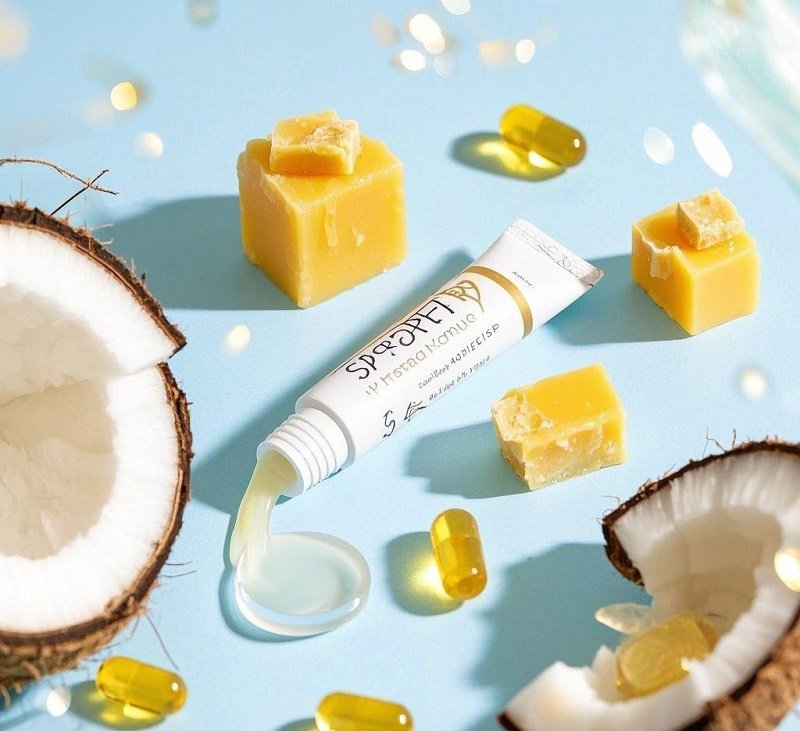
The best lip balms combine natural ingredients—such as beeswax, shea butter, and coconut oil—with synthetic agents that deliver precise SPF protection. This hybrid approach offers the benefits of nourishment and scientifically backed UV defense.
Primary Active Ingredients
- Zinc Oxide: Acts as a physical blocker, reflecting both UVA and UVB rays. Its broad-spectrum protection is gentle, making it suitable even for sensitive skin.
- Titanium Dioxide: Provides similar protection as zinc oxide but is known for its lighter feel. It is excellent for daily wear without the heavy residue.
- Avobenzone: A chemical filter that absorbs UVA rays, reducing the risk of photoaging. It’s commonly used to complement physical blockers.
- Octinoxate: Primarily absorbs UVB rays, boosting the overall SPF rating. Often used in tandem with other ingredients for balanced protection.
- Antioxidants (Vitamin E & Green Tea Extract): These ingredients help neutralize free radicals produced by UV exposure, ensuring that your lips remain smooth and well-hydrated.
| Ingredient | Type | Benefits |
|---|---|---|
| Zinc Oxide | Physical | Broad-spectrum UV protection, anti-inflammatory |
| Titanium Dioxide | Physical | Lightweight UV blocker, ideal for daily use |
| Avobenzone | Chemical | Absorbs UVA rays, reduces photoaging |
| Octinoxate | Chemical | Absorbs UVB rays, enhances SPF rating |
| Vitamin E | Antioxidant | Moisturizes, fights free radicals |
| Green Tea Extract | Antioxidant | Soothes skin, reduces oxidative stress |
Choosing the Right SPF Lip Balms
SPF Ratings
What SPF Really Means
SPF, or Sun Protection Factor, measures how well a product shields your skin from UVB rays. For example, an SPF 15 blocks roughly 93% of UVB rays, while SPF 30 and SPF 50 block about 97% and 98% respectively. Although the percentage increase might seem minor, this can make a significant difference for people with sensitive skin or those spending extended periods outdoors.
When to Choose Each Level
- SPF 15: Best for minimal sun exposure and routine indoor-to-outdoor transitions. It’s ideal if you’re in a region with moderate sunlight or if your daily activities don’t involve prolonged exposure.
- SPF 30: Strikes a balance between protection and comfort for most users. It’s the go-to option for everyday use, offering robust defense without feeling heavy.
- SPF 50: Recommended for high-intensity sun exposure, such as beach days, outdoor sports, or areas with very high UV indexes. It’s particularly useful for individuals with extremely sensitive skin or a history of sunburns.
Assessing Your Skin and Lifestyle Needs
Personal Skin Considerations
Your skin type plays a major role in determining which SPF lip balm is right for you. If you have dry or chapped lips, look for formulations that include nourishing ingredients like shea butter or coconut oil. Conversely, if you have sensitive or acne-prone skin, opt for hypoallergenic, fragrance-free products that minimize irritation.
Lifestyle Factors
Think about your daily routine and the environments you frequent:
- Outdoor Enthusiasts: If you spend long hours outdoors—whether hiking, cycling, or playing sports—a water-resistant, long-lasting balm is essential. These products are designed to withstand sweat, wind, and even water exposure.
- Urban Dwellers: For those with a mix of indoor and outdoor activities, a lightweight, quick-absorbing formula is ideal. Such products tend not to leave a greasy residue and are comfortable enough to wear under makeup.
- Active Lifestyles: People on the go often benefit from travel-sized options that can be easily re-applied. A balm that offers both protection and hydration is crucial for maintaining lip health during busy, unpredictable days.
Formulation and Texture
Key Ingredients to Look For
The best SPF lip balms achieve a balance between sun protection and moisture. Here’s what to consider:
- Physical Blockers: Ingredients like zinc oxide and titanium dioxide create a physical barrier that reflects harmful rays. These are excellent for those with sensitive skin as they are less likely to cause irritation.
- Chemical Absorbers: Components such as avobenzone and octinoxate work by absorbing UV light and converting it into heat. While they offer a lighter feel, they may not be as gentle for extremely sensitive skin.
- Hydrators and Emollients: Ingredients like shea butter, coconut oil, and vitamin E not only moisturize your lips but also help maintain the product’s overall texture. They ensure that your lips remain smooth even after hours of exposure.
Texture and Application
The feel of your lip balm on your lips is just as important as its protective qualities. A good SPF lip balm should:
- Apply Smoothly: It should spread evenly without clumping or leaving a heavy layer.
- Feel Comfortable: The ideal product feels light and non-greasy, making it suitable for continuous wear throughout the day.
- Resist Transfer: A formulation that stays in place even during meals or activities is a significant advantage for those who require long-lasting protection.
Additional Considerations
Packaging and Portability
Consider how the product is packaged. A sturdy, portable container ensures that the balm won’t break or leak, especially if you’re often on the move. A twist-up tube or compact stick is convenient for quick reapplications.
Price and Value
While premium products often promise advanced formulations, a higher price doesn’t always mean better protection. Look for products that provide a good balance of SPF protection, moisture, and durability. Reading consumer reviews and comparing ingredient lists can be very helpful.
Testing and Reviews
Before settling on a product, check for
- Dermatologist Recommendations: Products endorsed by skincare experts tend to have a solid track record of efficacy and safety.
- User Feedback: Real-world experiences can highlight potential issues, such as the need for frequent reapplication or concerns about texture. Look for reviews that discuss long-term performance under various conditions.
Comparative Table for Quick Reference
| SPF Level | UVB Protection (%) | Best For | Key Characteristics |
|---|---|---|---|
| 15 | ~93% | Low to moderate exposure | Lightweight, ideal for routine use |
| 30 | ~97% | Daily activities and outdoor transitions | Balanced protection with comfortable texture |
| 50 | ~98% | High-intensity sun exposure | Superior protection, best for extreme conditions |
Expert Recommendations and Consumer Insights
What Experts Say
Many dermatologists recommend SPF 30 for everyday use, emphasizing that it strikes the best balance between adequate protection and product comfort. They advise users to reapply every 2–3 hours, especially after eating or sweating, to maintain continuous protection.
Consumer Insights
Surveys indicate that over 60% of SPF lip balm users prefer SPF 30 formulations, citing that these products provide sufficient coverage without the heaviness sometimes associated with higher SPF products. Consumers also value lip balms that combine sun protection with hydrating ingredients, ensuring that their lips remain soft and supple even during prolonged use.
Product Performance
Evaluating Longevity
A top-performing lip balm should provide continuous protection throughout the day. Formulations that resist transfer and remain effective after eating or drinking are highly valued by users. Look for products with claims of long-lasting wear and non-greasy finishes.
User Reviews and Expert Ratings
Independent reviews show that many SPF lip balms excel in one area but may fall short in another. For instance, some products offer excellent UV protection but lack in hydration, while others maintain moisture well but need frequent reapplication. Always consult both consumer feedback and dermatologist recommendations to find a well-rounded product.
Practical Testing
Try sample sizes to gauge the product’s performance under your typical conditions. Factors to consider include:
- Texture and Feel: The balm should apply smoothly without leaving a sticky residue.
- Reapplication Frequency: Evaluate how long the product lasts during everyday activities.
- Resistance to Smudging: Consider whether the product holds up through meals or in humid conditions.
Lifestyle Considerations
Matching Your Routine
Different lifestyles call for different formulations
- Outdoor Enthusiasts: If you spend most of your day in the sun—at the beach, hiking, or during sports—a water-resistant, long-lasting formula is essential.
- Urban Dwellers: For those who commute and alternate between indoor and outdoor environments, a lightweight, non-greasy balm that absorbs quickly is ideal.
- Sensitive Skin: People with sensitive skin or allergies should look for fragrance-free, hypoallergenic options that minimize the risk of irritation.
Practical Tips
- Carry a Travel-Size Balm: Keep a small tube in your bag for reapplication after meals or prolonged sun exposure.
- Consider Tinted Options: Some SPF lip balms come with a subtle tint, providing both aesthetic enhancement and effective protection.
- Read Labels Carefully: Ensure that the product offers broad-spectrum protection and check the ingredient list to avoid any allergens.
Survey Insights
A recent consumer survey revealed that 75% of users felt more satisfied with products that specifically matched their lifestyle, whether it was a matte finish for professional settings or a highly durable formula for outdoor activities.
Lifestyle Table Comparison
| Lifestyle | Recommended Features | Example Formulation |
|---|---|---|
| Outdoor/Active | Water-resistant, long-lasting | SPF 50, with zinc oxide |
| Urban/Indoor-Outdoor | Lightweight, quick-absorbing | SPF 30, with balanced emollients |
| Sensitive Skin | Hypoallergenic, fragrance-free | SPF 15-30, with natural oils |
FAQs & Myths
Common Myths
- Myth: A higher SPF always means better protection.Reality: While a higher SPF provides marginally better protection, the difference between SPF 30 and SPF 50 is minimal for everyday use.
- Myth: Lip balms with SPF are only for sunny days.Reality: UV rays are present even on cloudy days, making daily SPF protection essential.
Frequently Asked Questions
- Do SPF lip balms protect against both UVA and UVB rays? Yes, many modern formulations offer broad-spectrum protection, ensuring that both types of harmful rays are effectively blocked.
- How often should I reapply my SPF lip balm? Experts recommend reapplying every 2–3 hours, especially after eating, drinking, or prolonged sun exposure.
- Can I wear SPF lip balm under lipstick? Absolutely—many products are designed to serve as an excellent base, allowing you to enjoy makeup while keeping your lips protected.
- Are physical blockers better than chemical filters? Both types have their merits. Physical blockers are gentler on sensitive skin, while chemical filters often provide a lighter texture. A balanced formulation usually offers the best of both worlds.
Expert Insights
Dermatologists emphasize that SPF lip balms should complement your overall sun protection routine. Regular application is key to preventing long-term damage. By reading labels and checking ingredient lists, you can select a product that meets your specific needs while debunking prevalent myths.
Conclusion
In conclusion, SPF lip balms are an essential element of modern skincare, offering dual benefits of sun protection and hydration. By understanding the science behind SPF, identifying key ingredients, and matching the product to your lifestyle, you can maintain healthy, vibrant lips all year round. Whether you choose SPF 15, 30, or 50, the right formulation will help prevent dryness, chapping, and premature aging—ensuring your lips remain smooth and resilient.
To recap, consider the following when choosing your SPF lip balm:
| Aspect | Considerations | Recommendation |
|---|---|---|
| SPF Level | Balance between protection and comfort | SPF 30 for daily use |
| Ingredients | Blend of natural emollients and proven UV filters | Zinc Oxide, Shea Butter |
| Performance | Long-lasting, non-greasy, resists transfer | Tested formulations |
| Lifestyle | Water-resistant for outdoors, lightweight for urban | Customized to your routine |
| User Feedback | Positive reviews and dermatologist recommendations | Tailored solutions |
If you’re seeking to enhance your lip care regimen with products that not only protect but also nourish and beautify, now is the time to act. For businesses or individuals interested in custom formulations that meet specific needs, consider reaching out to Zerun Cosmetic Factory. With years of experience in manufacturing high-quality skincare products, Zerun Cosmetic Factory offers tailored solutions that combine innovation, quality, and aesthetic appeal. Request a personalized quote today and explore how custom lip balm formulations can elevate your brand and protect your lips with unmatched care.
Embrace the power of informed choices—integrate SPF lip balms into your daily routine and enjoy the benefits of healthy, well-protected lips. Whether you’re new to SPF products or an experienced user, this guide has provided you with the insights necessary to make smart, evidence-based decisions. Protect your smile and let your confidence shine through, knowing that your lips are in safe, caring hands.
For any further inquiries or to discuss custom product options, don’t hesitate to contact Zerun Cosmetic Factory. They’re ready to help you design and produce lip care solutions that meet your precise requirements while ensuring optimal performance and quality. Reach out today to begin your journey toward superior lip protection and vibrant, healthy beauty.