 Skip to content
Why Lip Care Is Important?
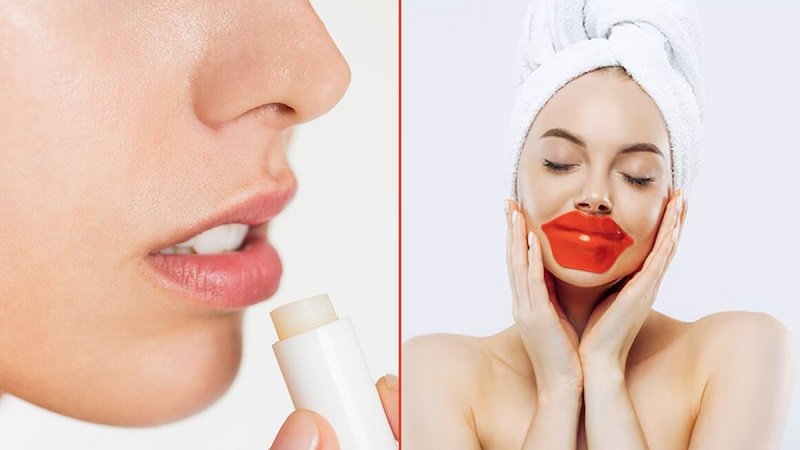
Lip care often flies under the radar—after all, lips don’t have oil glands like the rest of our skin. But ignoring them can lead to persistent dryness, cracking, and even long‑term damage. Good lip care isn’t just about glossy shine; it’s about protection, repair, and confidence in every smile.
Lips are uniquely prone to damage because their skin is thin, lacks oil glands, and endures constant movement and exposure. Dedicated lip care restores hydration, strengthens the barrier, and shields against environmental aggressors.
What Makes the Lips Unique and Prone to Damage?
Lips are covered by a thin, translucent epidermis without sebaceous glands, so they dry out faster. Constant talking, eating, and exposure to sun and wind amplify moisture loss, making specialized care essential.
Anatomy of Lip Skin
Lip skin is just 1–2 cell layers thick compared to 16+ on cheeks, so it tears and chaps easily.
Absence of Sebum Production
Without oil glands, lips can’t self‑lubricate, depending entirely on topical hydration.
Constant Mechanical Stress
Daily actions—smiling, licking, eating—strain lip skin, accelerating dryness and micro‑tears.
Cultural and Lifestyle Factors
Habitual lip licking or harsh ingredients in foods/drinks can worsen dehydration.
Which Environmental Factors Contribute to Dry, Chapped Lips?
Cold air, low humidity, UV rays, wind, and air conditioning strip moisture. Pollutants and indoor heating can also weaken the lip barrier, leading to flaking and discomfort.
| Factor | Impact on Lips | Prevention Tip |
|---|---|---|
| Cold, Dry Air | Rapid moisture evaporation | Use occlusive balm |
| UV Radiation | Collagen breakdown, pigmentation | Apply SPF lip product |
| Wind Exposure | Physical abrasion, water loss | Wear scarf or balm barrier |
| Indoor Heating/AC | Low humidity, increased dryness | Use humidifier + nightly mask |
| Pollution | Oxidative stress, inflammation | Antioxidant‑rich formulations |
- Humidity Swings: Seasonal shifts can catch lips off‑guard—transition gradually.
- Urban vs. Rural: City pollutants require richer antioxidant support.
- Travel Stress: Airplane cabins often drop humidity below 20%, so carry travel‑size lip treatments.
How Do Lip Care Products Protect and Hydrate the Lips?
Lip care products form a protective film, lock in moisture, and deliver nutrients. Emollients smooth roughness, humectants draw water, and occlusives seal it all in for lasting comfort.
Role of Humectants
Ingredients like glycerin and hyaluronic acid attract water from the air and underlying skin layers.
Function of Emollients
Plant‑derived oils (e.g., jojoba, shea) fill cracks and smooth texture.
Importance of Occlusives
Beeswax, lanolin, and petrolatum create a barrier to prevent transepidermal water loss (TEWL).
Advanced Delivery Systems
Micro‑encapsulation and liposomes ensure active ingredients penetrate deeper.
Consumer Preferences
Clean‑label formulations are trending—minimalist ingredient lists with multi‑functional benefits.
Which Key Ingredients Should You Prioritize in Lip Care Formulations?
Look for hyaluronic acid, shea butter, beeswax, ceramides, and SPF filters. These hydrators, emollients, barrier‑builders, and protectors address all aspects of lip health.
| Ingredient | Function | Typical Usage (%) |
|---|---|---|
| Hyaluronic Acid | Hydration, plumping | 0.5–2.0 |
| Shea Butter | Emollient, skin‑softening | 5–20 |
| Beeswax | Occlusive, film‑forming | 10–30 |
| Ceramides | Barrier repair | 1–3 |
| Zinc Oxide/Titanium Dioxide | Physical SPF (broad‑spectrum) | 5–15 |
| Antioxidants (Vitamin E, C) | Neutralize free radicals | 0.5–1.0 |
- Ceramide Complexity: Combining multiple ceramides mimics natural skin lipids for superior repair.
- Natural vs. Synthetic Waxes: Balance sustainability with performance—consider rice bran or candelilla wax alternatives.
- SPF Choices: Physical filters like zinc oxide avoid irritation, ideal for sensitive lips.
- Fragrance & Flavor: While appealing, these can cause irritation—opt for un‑flavored or naturally scented bases.
How Often Should You Exfoliate and Moisturize Your Lips?
Gentle exfoliation 1–2 times weekly removes dead skin. Daily moisturizing morning and night maintains barrier health—adjust frequency based on climate and individual dryness levels.
Exfoliation Techniques
- Sugar Scrubs: Manual buffing with fine sugar particles.
- Enzyme Masks: Pineapple or papaya enzymes dissolve dead cells.
- Frequency Considerations: Over‑exfoliating weakens the barrier—stick to gentle, weekly routines.
Moisturization Rituals
- AM Routine: Lightweight balm with SPF to protect throughout the day.
- PM Routine: Richer overnight mask to repair while you sleep.
- Lifestyle Triggers: Increase hydration after spicy meals or extended outdoor time.
Personalization Strategies
Tailor routines for age, sensitivity, and climate—keep a simple travel set for on‑the‑go care.
Is SPF Protection Necessary in Your Daily Lip Care Routine?
Yes—lips are vulnerable to UV‑induced photoaging and pigmentation. Incorporating SPF 15+ lip balms daily prevents sunburn, collagen breakdown, and long‑term sun damage.
UV Risks for Lips
The thin epidermis accelerates sunburn and can lead to actinic cheilitis (precancerous changes).
Choosing the Right SPF
- Physical vs. Chemical Filters: Zinc oxide/titanium dioxide for minimal irritation.
- Reapplication Needs: Every two hours, especially after eating or drinking.
Integrating Sunscreen Elegantly
Tinted SPF balms combine color, moisture, and protection—addressing multiple consumer desires.
Regulatory Considerations
Ensure products meet FDA or EU SPF labeling requirements for accuracy.
Are Overnight Lip Treatments and Masks Worth Incorporating?
Overnight treatments provide deep repair by prolonging contact time. Ingredients like peptides and ceramides work best during sleep, when skin regeneration peaks.
Nighttime Repair Window
Skin cell turnover accelerates at night—lip masks capitalize on this natural repair cycle.
Peptides and Growth Factors
Short chains of amino acids promote collagen synthesis for firmer, plumper lips.
Texture and Wearability
Innovations in lightweight gels and biocellulose patches balance efficacy with comfort.
Consumer Behavior Insights
Busy lifestyles value “set‑and‑forget” products—overnight masks fit seamlessly into evening routines.
Cost‑Benefit Analysis
Premium treatments justify higher price points when efficacy and consumer loyalty increase.
Conclusion
In every smile lies the story of your care—nourished, protected lips speak volumes without a word. By embracing targeted hydration, barrier‑building ingredients, and daily SPF, you ensure your lips stay healthy and radiant. Ready to craft the perfect lip ritual? Partner with Zerun Cosmetic for bespoke formulations that let your brand—and your smile—shine.
Can't find the answers?
Here, developing your OEM/ODM private label skin care products collection is no longer a challenge,it’s an excellent opportunity to bring your creative vision to life.
Make A Sample First?
If you have your own artwork, logo design, or just a concept for your cosmetic or skincare product, we recommend starting with a sample. Share your project details with us, including your preferred packaging style, design elements, and customization preferences. Our team is here to guide you through the sample production process, ensuring that your private label products perfectly align with your vision. By making a sample first, you’ll be able to see the quality, design, and overall feel of your custom cosmetics or skincare packaging before moving forward with larger production.