
Hey there, skincare lovers! If you’re like most people, you probably have a skincare routine that includes a mix of products. But do you really know the difference between lotion, serum, and moisturizer? Understanding these products can make a huge difference in how your skin feels and looks. So, let’s break it down!
What is a Lotion?
Definition and General Characteristics
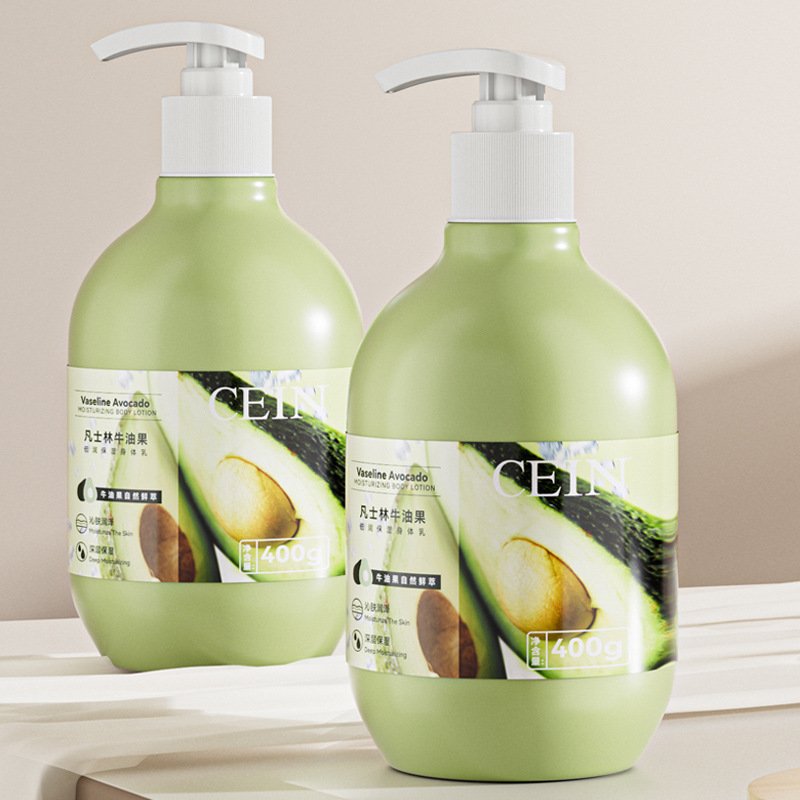
Lotion is a lightweight blend of water and oil, designed to hydrate your skin without feeling heavy. It’s perfect for everyday use!
Common Ingredients
You’ll usually find ingredients like water, glycerin (a fantastic humectant that pulls moisture into your skin), and fatty acids in lotions. Some might even have a touch of fragrance to make your skincare routine feel a little more luxurious.
Types of Lotions
Here’s a quick look at the types of lotions:
| Type | Description | Best For |
|---|---|---|
| Body Lotion | Hydrates the skin on your body | All skin types |
| Facial Lotion | Lightweight formula for the face | Sensitive skin |
| Specialty Lotion | Targeted solutions (e.g., after-sun) | Specific concerns |
Purpose and Benefits
Lotions are your go-to for daily hydration. They help soothe and protect your skin, leaving it feeling soft and smooth. Plus, they’re super easy to apply and absorb quickly, making them a great choice for busy mornings!
What is a Serum?

Definition and General Characteristics
Serums are like the superheroes of skincare. They’re lightweight but packed with concentrated ingredients designed to penetrate deeply into your skin.
Common Ingredients
You’ll find powerful actives in serums, like vitamin C (great for brightening), retinol (fantastic for anti-aging), and hyaluronic acid (a hydration powerhouse). These ingredients work hard to target specific skin concerns.
Types of Serums
Here’s a breakdown of common serum types:
| Type | Key Ingredients | Benefits |
|---|---|---|
| Hydrating Serum | Hyaluronic acid | Deep moisture boost |
| Brightening Serum | Vitamin C | Evens skin tone |
| Anti-Aging Serum | Retinol, peptides | Reduces fine lines |
Purpose and Benefits
Serums are your targeted treatment option. They help address specific skin issues and enhance the overall effectiveness of your skincare routine. Because they’re lightweight, you can layer them without feeling weighed down.
What is a Moisturizer?
Definition and General Characteristics
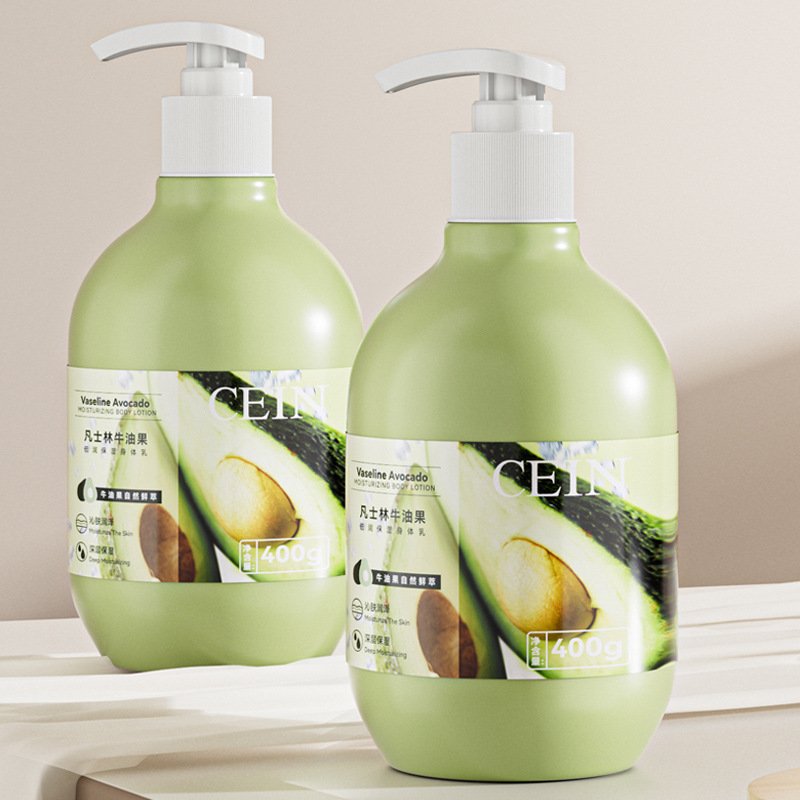
Moisturizers are thick creams or lotions designed to keep your skin hydrated and protected. They often contain occlusives, which help lock in moisture.
Common Ingredients
Look for emollients like shea butter and oils, which provide that rich, creamy texture. Humectants like glycerin also play a role, pulling moisture into your skin.
Types of Moisturizers
Here’s a quick comparison of moisturizer types:
| Type | Texture | Best For |
|---|---|---|
| Gel-based | Lightweight, water-based | Oily skin |
| Cream-based | Thick and rich | Dry skin |
| Night Cream | Rich, nourishing | Overnight hydration |
Purpose and Benefits
The main goal of a moisturizer is to provide long-lasting hydration. It keeps your skin looking plump and youthful while protecting it from environmental stressors. Think of it as your skin’s shield!
Key Differences Between Lotion, Serum, and Moisturizer
Texture and Formulation Differences
| Product | Texture | Best Use |
|---|---|---|
| Lotion | Light and fluid | Daily hydration |
| Serum | Concentrated, gel-like | Targeted treatments |
| Moisturizer | Creamy and rich | Sealing in moisture |
Purpose and Application
Knowing when to use each product is key. Typically, you’d start with a serum to treat specific issues, then follow up with a moisturizer to seal in that goodness. Lotions can be used anytime you need a quick hydration boost!
Skin Types and Concerns
Different products work better for different skin types. Here’s a guide:
| Skin Type | Recommended Product | Why? |
|---|---|---|
| Oily | Lightweight lotion | Avoids clogging pores |
| Dry | Creamy moisturizer | Provides deep hydration |
| Combination | Gel serum + lotion | Balances hydration |
| Sensitive | Gentle lotion | Soothes irritation |
How to Choose the Right Product
A. Assessing Your Skin Type
Start by figuring out your skin type: oily, dry, combination, or sensitive. This will guide your choices.
B. Considering Climate and Environment
Your environment can affect your skin, too! In dry climates, you might need a heavier moisturizer, while humid conditions call for lighter products.
C. Combining Products for Optimal Results
Don’t be afraid to mix and match! A hydrating serum under your moisturizer can provide a moisture boost. And always remember to patch test new products to avoid surprises.
Conclusion
So there you have it! Lotions, serums, and moisturizers all have unique roles in your skincare routine. Understanding these differences can help you choose the right products for your skin, making your routine more effective. Don’t hesitate to experiment and find what works best for you, and consider consulting with a skincare professional if you have questions.
For those interested in diving deeper into skincare, check out reputable sources and skincare guides to learn more about these products and their benefits.