Skip to content
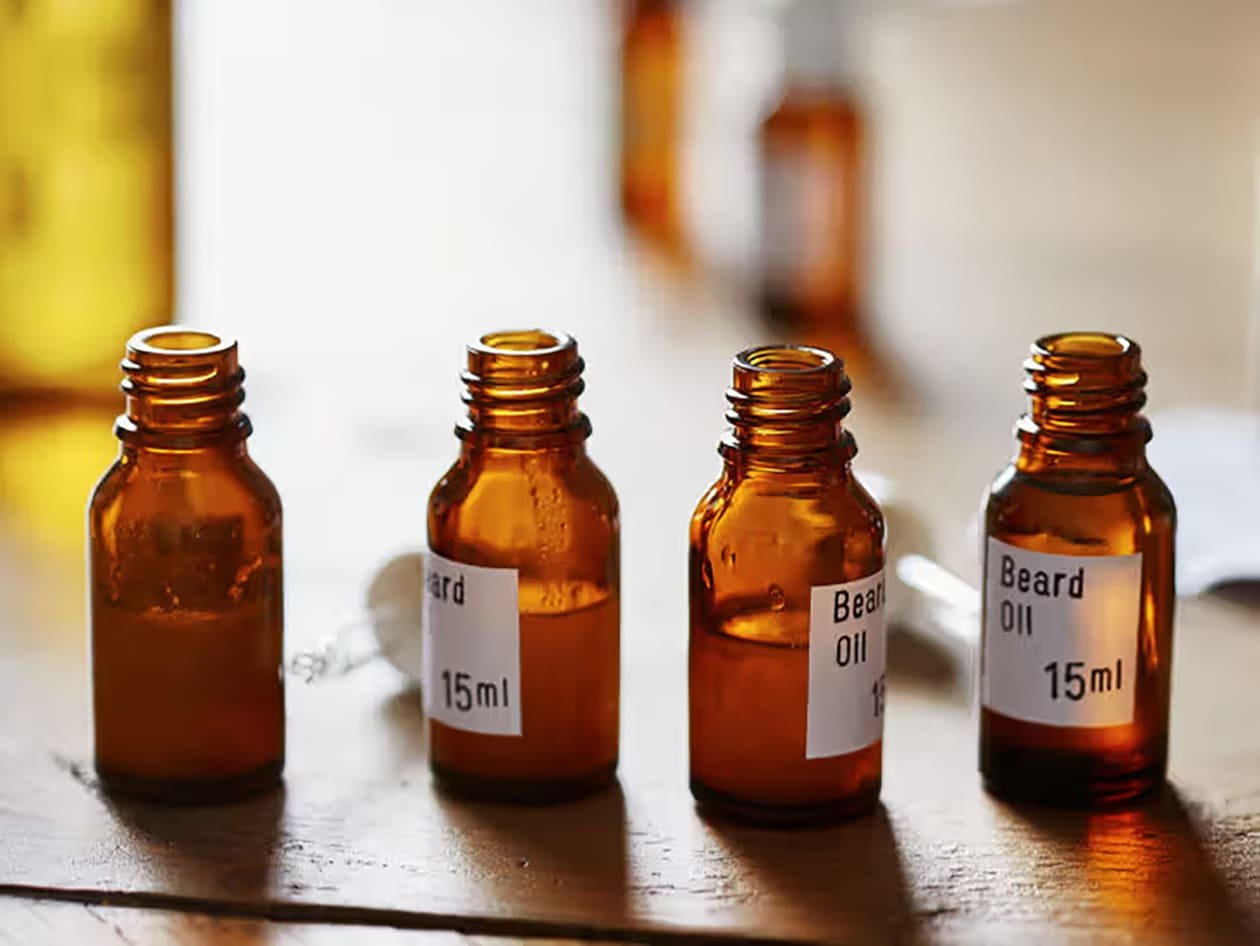
Most people buy beard oil hoping for a thicker, faster-growing beard—then quit because it feels greasy or “does nothing.” The truth is simpler: beard oil is skincare for the face under your beard, plus light conditioning for the hair you can see.
Beard oil mainly hydrates the skin beneath your beard and conditions beard hair so it feels softer and looks more controlled. It can reduce itch, dryness, and visible flakes (“beardruff”), improve combing and shape, and give a healthier finish. It usually won’t create new follicles or guarantee faster growth—results come from the right amount, timing, and formula choice.
If your beard feels wiry, itchy, or flaky, keep going—small routine fixes can change the whole experience more than buying a “stronger” bottle ever will.
What does beard oil do for beard hair and the skin underneath?
Beard oil works best when you treat it like a leave-on moisturizer for the skin under your beard and a light conditioner for the beard itself. It helps reduce dryness, tightness, itch, and visible flakes, while making beard hair feel softer, less wiry, and easier to comb. The most noticeable results usually show up in daily comfort and control, not dramatic overnight changes.
Your beard sits on face skin that still has needs
The skin under your beard still loses water, gets irritated by friction (hands, collars, masks), reacts to weather and indoor AC/heating, and collects residue from sweat, sunscreen, and styling products. When that skin gets dry, you feel it as itch and tightness. When buildup forms unevenly, you see it as flakes. Beard oil helps most when it restores comfort to that hidden skin.
What beard oil does to beard hair
Beard hair is often thicker and coarser than scalp hair and grows in mixed directions. Beard oil can’t change genetics, but it can make hair behave better by adding slip, reducing roughness, lowering static/puffiness, and making brushing and combing smoother.
What you should realistically expect in the first two weeks
- Within a few days: less tightness after washing, easier combing, softer touch
- Within one to two weeks: less itch, fewer visible flakes, better shape and less puffiness
If you see shine but feel no comfort improvement, you’re probably applying to hair only (or using too much).
A quick mindset shift that changes your results
Instead of asking, “Is this oil strong enough?” ask:
- “Am I reaching the skin under my beard?”
- “Am I applying after cleansing, when it can absorb evenly?”
- “Am I using the smallest amount that works?”
If you’re building a product for customers, this exact logic is why a well-balanced everyday formula often outsells a “super heavy” oil—people actually finish it and repurchase.
How does beard oil help with beard itch, dryness, and beardruff (beard dandruff)?
Beard itch and beardruff are usually caused by dry or irritated skin under facial hair, friction from coarse hairs, or uneven buildup from sweat and products. Beard oil helps by restoring moisture, reducing scratchy friction, and calming the skin so you scratch less. The best results happen when oil is applied to clean, slightly damp skin and your wash routine is clean-but-not-stripped.
Not all flakes are the same
Dry-skin flakes are small and powdery, often worse after hot showers and harsh cleansers. Buildup flakes are larger and more noticeable, often linked to balm/wax without enough cleansing. If flakes recur with redness and flare-ups, consider professional skin guidance—oil can support comfort, but shouldn’t be your only strategy.
The itch loop that keeps you stuck
Dryness triggers itch. Scratching irritates skin. Irritation increases sensitivity and flaking. Beard oil helps when it reduces the dryness trigger and lowers friction, so the loop loses momentum.
A realistic 10-day reset
- Cleanse gently (avoid harsh stripping)
- Apply oil right after washing while damp
- Brush/comb daily to distribute and lift loose flakes If itch worsens, suspect fragrance sensitivity, overdosing, or applying onto sweaty/dirty skin.
Do beard oils help beard growth, thickness, or patchy beards?
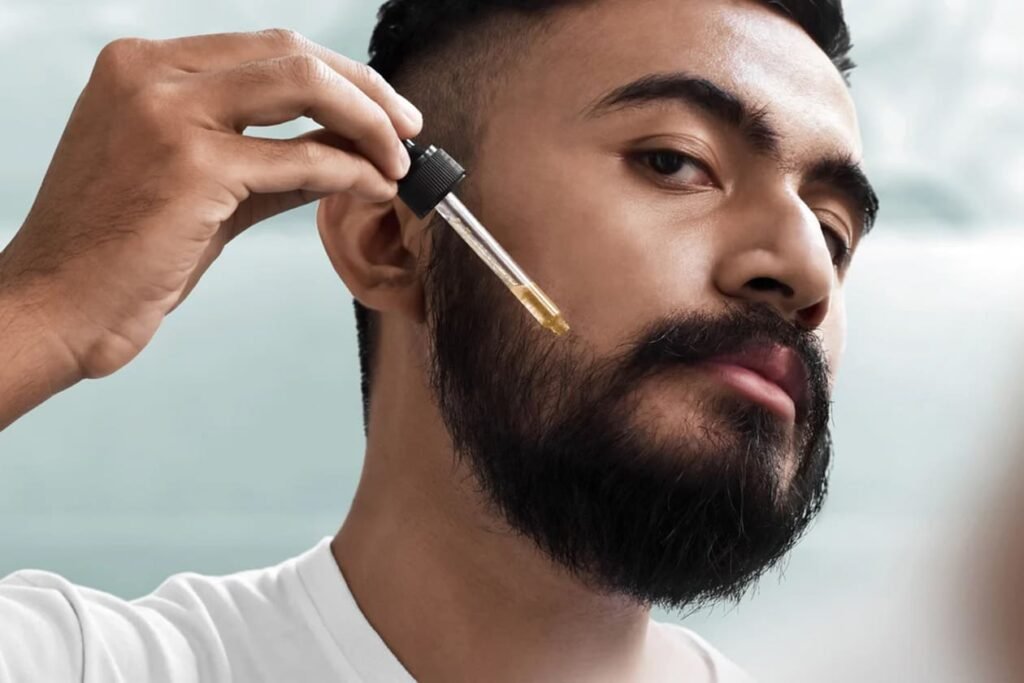
Beard oil can make a beard look thicker by softening hair, reducing frizz, and improving manageability so it sits more uniformly. It may reduce breakage and scratching-related irritation, which supports a healthier-looking beard over time. But it typically doesn’t create new follicles or guarantee faster growth, so it’s best viewed as conditioning and appearance support.
Why “growth” is misunderstood
Growth is mostly genetics, hormones, and time. Beard oil improves what you already have: softness, alignment, comfort, and finish. Those changes can make a beard look fuller without changing actual follicle count.
Patchy beards: what helps in real life
What helps: softness + brushing + trim strategy + avoiding heavy oils that separate hair into shiny strands. What doesn’t help: over-applying oil hoping it “activates” growth, or skipping grooming tools and expecting product to style itself.
How do you apply beard oil correctly (step-by-step) to avoid greasy buildup?
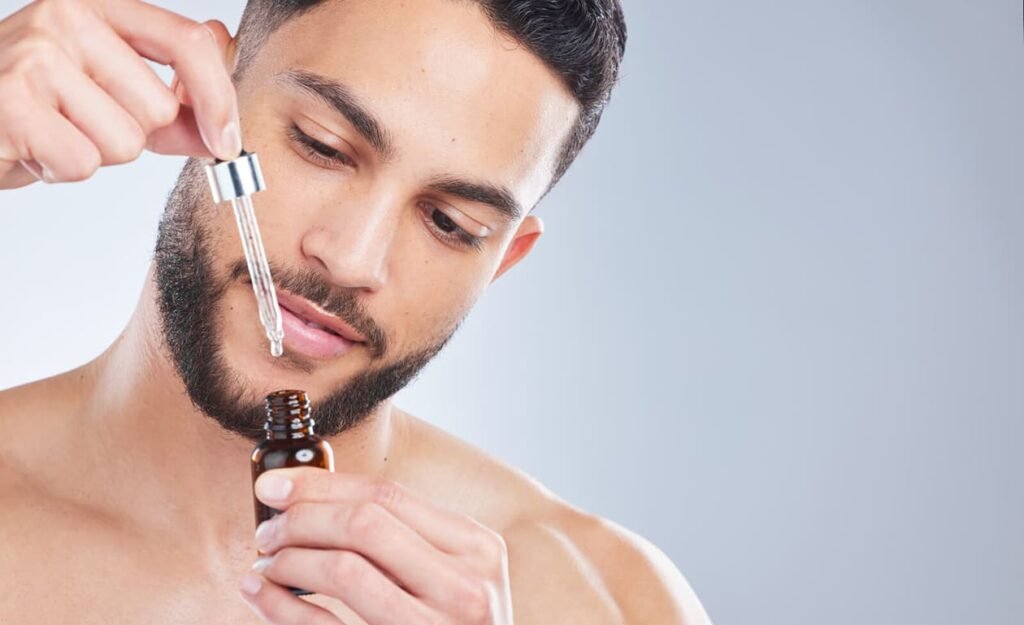
Apply beard oil after washing or showering when your beard is towel-dried but still slightly damp. Warm a small amount in your palms, massage it into the skin under the beard first, then smooth it through the hair from roots to tips. Finish with a comb or brush to distribute evenly.
Timing is your secret weapon
Wet beard makes oil run and concentrate; bone-dry beard absorbs unevenly. Damp is the sweet spot.
Skin first, then hair
Most “beard oil doesn’t work” complaints come from hair-only application. Use fingertips to reach the skin under the beard, then use palms to smooth down the length.
Using styling products
If you use balm/butter: oil first, balm second. Reversing the order can block oil from reaching skin and leads to overdosing.
If you’re planning a private label product, this is also why packaging matters: a controlled-flow dropper or reducer insert often improves user success. If you want a reference for how a brand-ready SKU can be positioned and built, see our guide here: Private Label Beard Oil.
How many drops of beard oil should you use for short, medium, and long beards?
A common starting point is 2–3 drops for short beards, 4–6 for medium, and 7–10 (or more) for long or very dense beards. The right amount should make your beard feel softer within minutes without looking wet or leaving your hands oily after a quick touch.
| Beard length | Starting amount | Use less if… | Use more if… |
|---|---|---|---|
| Stubble to 1 inch | 2–3 drops | oily/acne-prone skin, humid climate, fine hair | winter dryness, coarse hair, tight skin after washing |
| 1–3 inches | 4–6 drops | low density, you use balm daily, dislike shine | thick density, curly/coarse texture, dry climate |
| 3+ inches | 7–10 drops | oil is rich/heavy, balm used often | very dense beard, very dry environment, lots of friction |
The five-minute feel test
After applying and combing: soft, not slick; hands not oily; beard not separated into shiny strands. If it separates, reduce dose and distribute better.
How often should you use beard oil for different climates, routines, and skin types?
Most people do well using beard oil daily or after every wash, but frequency should match skin type, climate, and cleansing habits. Dry climates and coarse/long beards often do better with daily use. Oily/acne-prone skin and humid environments usually prefer smaller doses every other day or a few times per week.
A simple rule: follow your wash routine
Frequent cleansing usually needs more frequent oiling. Rare cleansing can make oil feel heavy because it sits on buildup—clean better, then oil lightly.
Practical scenarios
- Work out often: cleanse gently after heavy sweat, oil lightly
- Mask/helmet wear: friction rises—use lighter doses, avoid sticky overdosing
- Dry office AC: a light daily dose often beats random mid-day reapplication
Signs you’re overdoing it
Sticky feel, more bumps, “wet beard” look, needing harsh cleansing to feel clean. Reduce frequency and/or switch to a lighter formula direction.
Which ingredients should a good beard oil contain—and which ones should you avoid?
A good beard oil is usually a blend of carrier oils chosen for feel and absorption, plus a controlled scent system (or none). The best formulas spread easily, soften coarse hair, and feel comfortable on facial skin. “Avoid” depends on your skin type and sensitivity—especially to fragrance and heavy textures.
Choose a formula direction first
- Lightweight (fast-absorbing, low shine)
- Balanced everyday (softening without heaviness)
- Rich conditioning (dry climates, coarse/curly)
- Fragrance-free (sensitive users)
- Premium scent-led (lifestyle/gifting)
| Formula direction | Best for | Feel goal | Scent approach that fits | Packaging that supports dosing |
|---|---|---|---|---|
| Lightweight | oily skin, humidity | dry touch, low shine | low-scent or fragrance-free | reducer insert or pump |
| Balanced everyday | most users | silky, non-sticky | moderate scent | dropper or reducer |
| Rich conditioning | dry climates, coarse/curly | cushioned slip | moderate scent | controlled-flow dropper |
| Fragrance-free | sensitive users | comfort-first | no scent | pump or reducer |
| Premium scent-led | gifting, lifestyle | elegant finish | fine fragrance style | premium dropper/pump |
Essential oils vs fragrance
Essential oils support a “natural” story but can irritate some users if too strong or overly complex. Fragrance can be consistent and signature-worthy but still needs moderation for facial skin tolerance. For broad audiences, keeping scent moderate and offering a fragrance-free option is often the safest commercial choice.
Is beard oil better than beard balm (or butter), and which should you choose?
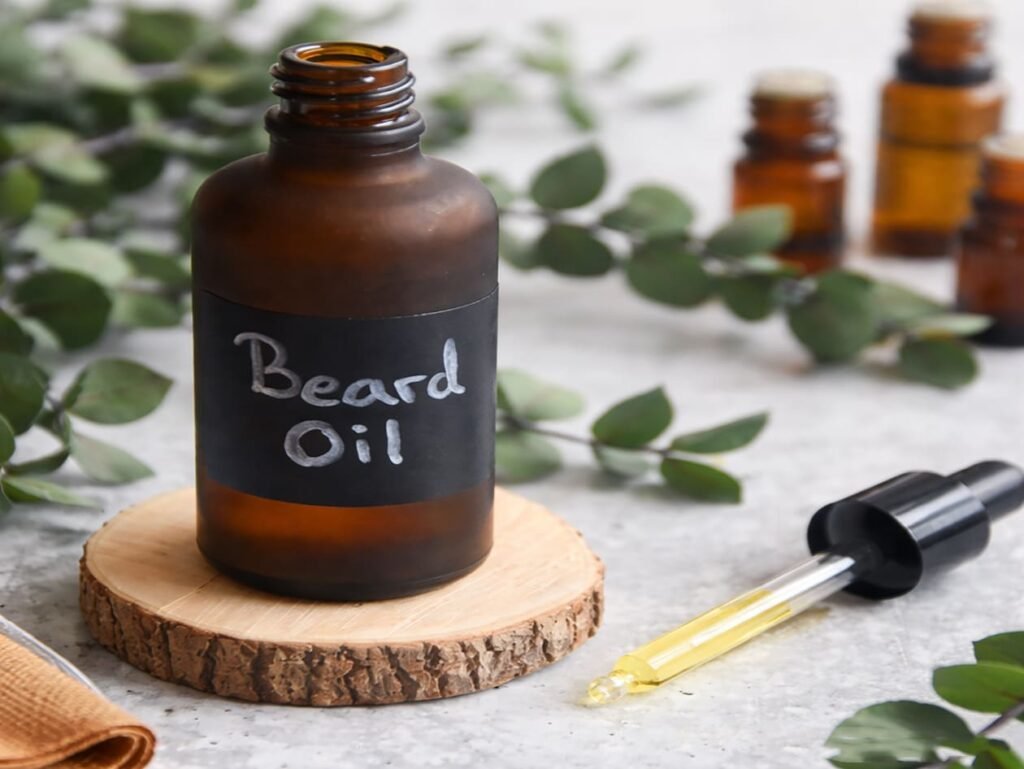
Beard oil focuses on skin hydration and hair softness; balm adds control and hold. Many people do best using both: oil first, balm second.
Choose based on your main problem
- Itch/flakes/dryness: oil first
- Flyaways/shape: balm
- Want both comfort + control: oil + balm
Avoid the buildup trap
If you stack products daily without adjusting cleansing, flakes return and you blame the oil. A smart routine balances styling with residue removal.
Conclusion
Beard oil does its best work when you treat it as daily skincare for the face under your beard, not a shortcut for faster growth. By hydrating that hidden skin and lightly conditioning beard hair, it can reduce itch, dryness, and beardruff, soften coarse texture, and make your beard easier to comb and shape. The biggest improvements usually come from simple, repeatable choices: apply oil after washing while the beard is slightly damp, focus on the skin first, use the smallest amount that works, and adjust frequency for your climate and skin type. If you need styling hold, layer balm after oil rather than replacing it.
If you’re planning to launch or upgrade a private label beard oil (or a complete men’s grooming line), Zerun Cosmetic can support custom formulation, packaging selection, free design, and sampling for qualified projects. Reach out with your target market, scent direction, bottle preference, and initial quantity to start the process here: Contact Zerun Cosmetic.