Skip to content
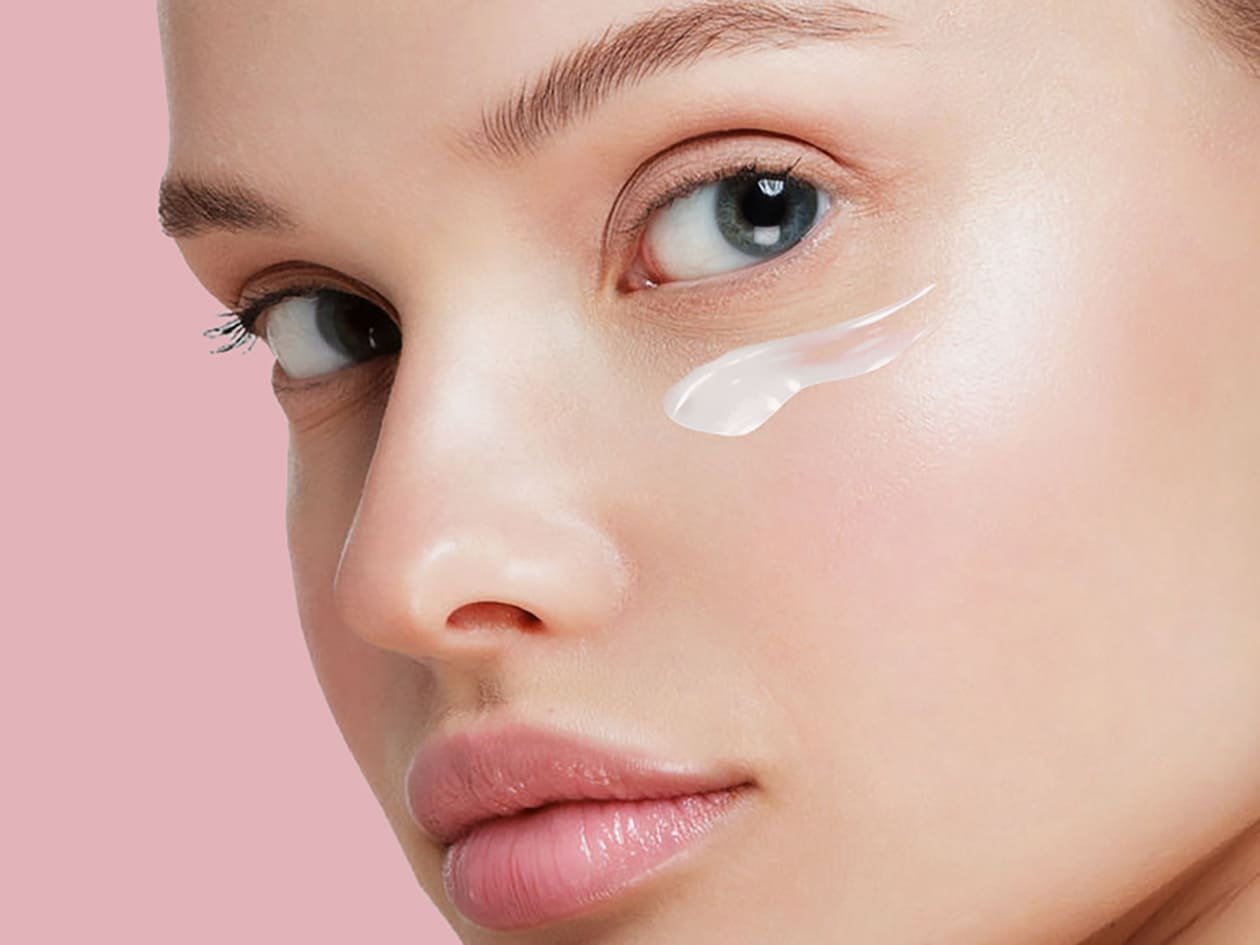
Our eyes are often the first place to show signs of fatigue, stress, and aging—think dark circles, puffiness, and fine lines. That delicate under-eye area needs more than just your trusty face moisturizer: it craves specialized care.
Eye cream is a lightweight, targeted skincare product formulated to hydrate, firm, and address specific concerns—like dark circles, puffiness, and fine lines—around the fragile eye contour by delivering concentrated active ingredients in a gentle base. It protects and rejuvenates skin that’s thinner and more prone to damage. Ready to uncover how to pick, apply, and even customize the perfect eye cream? Let’s dive in!
What Is Eye Cream and How Is It Different from Regular Moisturizers?
Eye cream is specifically designed for the thin, sensitive skin around your eyes—delivering gentler textures, lower pH formulas, and higher concentrations of targeted actives—whereas regular moisturizers tend to be thicker, fragrance-laden, and formulated for broader facial application.
Why It Needs Specialized Care Eye Skin?
The skin around your eyes is up to 10× thinner than the rest of your face, which means it loses moisture faster and shows damage sooner. Regular face creams can be too heavy, risking milia (tiny white bumps) or irritation from fragrances and harsh emulsifiers. Eye creams use ultra-fine emollients and stabilizers that slide on smoothly, preventing tugging or pulling when you pat them in.
- Loses moisture faster—leading to early fine lines
- Has less collagen—so it’s more prone to creasing
- Is more sensitive—prone to irritation or milia from heavy creams
Here’s a quick snapshot comparing under-eye skin to other facial zones:
| Skin Area | Epidermal Thickness | Collagen Density¹ | Typical TEWL² Rate |
|---|---|---|---|
| Under-eye | 0.5 mm | 40 % of cheek avg | 15 g/m²/hr |
| Cheek | 1.5 mm | 100 % | 7 g/m²/hr |
| Forehead | 1.7 mm | 110 % | 6 g/m²/hr |
¹ Relative to the cheek as 100 %
² Transepidermal water loss (higher = more water evaporates)
That accelerated water loss (TEWL) plus fewer structural proteins means under-eyes wrinkle and sag sooner. A one-size-fits-all face cream can be too heavy—clogging delicate follicles—or too harsh, irritating that thin barrier.
How Is It Different from Regular Moisturizers?
Unlike a standard facial moisturizer, eye creams are formulated at a slightly lower pH (around 5.5) to match the eye area’s natural acidity. They often include liposomal delivery systems or micro-encapsulation to carry actives deep into the skin without overwhelming it. This precision ensures ingredients like peptides or vitamin C reach where they do the most good—right under your eyes.
Unlike a standard face cream, eye creams are fine-tuned for this fragile zone in three key ways:
| Feature | Eye Cream | Regular Moisturizer |
|---|---|---|
| Texture & Weight | Ultra-light, non-greasy gels/creams | Thicker lotions or emulsions |
| pH Level | Around 5.5 (matches eye area) | Often 6.5–7.5 |
| Active Potency | Higher concentration of targeted actives (e.g., peptides at 2–3 %) | Balanced actives for full face |
| Sensory Additives | Fragrance-free, low-irritant bases | May include fragrances or essential oils |
| Delivery Systems | Micro-encapsulation or liposomes for deeper penetration | Standard emulsifiers |
Because eye formulas are lighter and free from common irritants, they glide on without tugging or pilling—crucial when you’re using your ring finger to tap around the bone.
Does Eye Cream Really Make a Difference?
Yes, when you pick the right formula and use it consistently.
Clinical data shows:
| Concern | Ingredient & Conc. | Improvement | Timeline |
|---|---|---|---|
| Fine lines | 0.05 % Retinol | −18 % wrinkle depth | 12 weeks |
| Puffiness | 2 % Caffeine gel | −15 % under-eye volume | 14 days |
| Dark circles | 5 % Niacinamide + 10 % Vit C | −12 % pigmentation | 8 weeks |
- Fine lines: Retinol speeds up cell turnover and collagen synthesis.
- Puffiness: Caffeine constricts blood vessels and promotes lymphatic drainage.
- Dark circles: Niacinamide and vitamin C block melanin transfer and brighten tone.
Even the best eye cream won’t work overnight. But with twice-daily application—morning antioxidant protection and nightly repair—you can typically see visible improvements in 4–8 weeks. Think of it as an investment: small, targeted steps that add up to major “wow” moments when you catch your reflection.
What Types of Eye Cream Formulas Are Available (Gels, Creams, Serums)?
Eye cream formulas come in three main textures—gel, cream, and serum—each tailored to different needs: gels soothe and de-puff, creams hydrate and nourish, and serums deliver potent actives in a lightweight base.
| Formula Type | Texture & Feel | Best For | Key Advantage |
|---|---|---|---|
| Gel | Cooling, lightweight | Puffiness & oily skin | Instant refresh, absorbs quickly |
| Cream | Rich, emollient | Dry or mature skin | Long-lasting hydration |
| Serum | Ultra-light, fluid | Targeted treatment (e.g., wrinkles) | High active concentration |
Choosing Between Gel vs. Cream: Skin Type Matters
If you wake up with noticeable under-eye swelling, a gel formula packed with caffeine and hyaluronic acid can help drain fluid and tighten skin. But if you live in a dry climate or battle fine lines, a richer cream containing ceramides and squalane will lock in moisture and strengthen the skin barrier.
- Oily & Combination Skin: If your T-zone and eyelids tip into oiliness, a gel-based eye product—think hyaluronic acid + aloe vera + a dash of caffeine—instantly refreshes without leaving any greasy film. It sinks in within seconds, so you can swipe on makeup or sunscreen right after. Popular picks: Clinique’s All About Eyes Serum De-Puffing Eye Massage or Neutrogena Hydro Boost Eye Gel-Cream.
- Dry & Mature Skin: When your under-eyes feel tight or you’re battling fine lines, reach for a cream loaded with ceramides, squalane, or shea butter. These ingredients form a protective lipid barrier, locking in moisture all day (or night). Look for formulas like La Roche-Posay Redermic R Eyes or Kiehl’s Creamy Eye Treatment with Avocado—both give lasting slip for gentler application.
- Climate Considerations: In hot, humid weather you’ll love the feather-light feel of a gel; in cold or dry climates, cream’s occlusive mix shields against moisture loss. If you travel between extremes, you can actually stash both in your kit and swap based on the forecast.
- Ingredient Interactions: Some actives—like pure vitamin C or retinal—stabilize better in a cream’s fatty base, while water-soluble ingredients (niacinamide, peptides) thrive in a gel. When shopping, check the packaging: if it’s in a pump or glass vial labeled “water-based,” it’s probably a gel; if it’s in a jar or thick tube, it’s likely cream.
Serums for Targeted Treatment: Potency and Penetration
Serum-type eye products often boast double or triple the concentration of key actives—like vitamin C or retinol—compared to creams. Their thin consistency allows deeper penetration, so you get accelerated results on wrinkles and dark spots. Just be mindful: higher potency means you should patch-test and introduce them gradually.
- Encapsulation Technologies: Modern serums often use liposomes or nano-emulsions—tiny delivery vehicles that ferry actives past the skin’s surface barrier directly into the dermis. This means ingredients like peptides or antioxidants can get right to work without getting “stuck” on the top layer.
- Balancing Potency vs. Irritation: High-strength serums deliver results—but can also provoke sensitivity. If you’re new to retinol serums, start twice a week at night, then gradually build to nightly use. For vitamin C serums over 10 %, consider patch-testing behind your ear before full application.
- Standout Examples:
- The Ordinary Caffeine Solution 5% + EGCG lightens dark circles and eases puffiness within days.
- SkinCeuticals A.G.E. Eye Complex blends two peptides and blueberry extract for firming and wrinkle reduction.
- Application Tips: Always apply serum before any heavier eye cream or moisturizer. Warm a drop between your ring fingers, then gently press into the orbital bone. This “layer first” approach ensures active molecules aren’t blocked by richer occlusives later in your routine.
Both gels/creams and serums have their place—think of gels for daily freshness, creams for deep nourishment, and serums for power-packed correction. By mixing and matching based on your skin type and specific concerns, you’ll get the most out of every drop.

Which Active Ingredients Should You Look for in an Effective Eye Cream?
An ideal eye cream blends hydrating agents (like hyaluronic acid), firming peptides, brightening antioxidants (such as vitamin C), and soothing botanicals (like green tea extract) to tackle multiple under-eye concerns without irritation.
| Ingredient | Function | Recommended Conc. |
|---|---|---|
| Hyaluronic Acid | Intense hydration & plumping | 0.5–2% |
| Peptides | Collagen-boosting & firming | 1–3% |
| Vitamin C (Stable) | Brightening & antioxidant defense | 5–10% |
| Niacinamide | Barrier repair & tone-evening | 2–5% |
| Caffeine | De-puffing & microcirculation boost | 1–2% |
Peptides and Growth Factors: Rebuilding Support
Peptides—short chains of amino acids—signal your skin to produce more collagen and elastin. Over time, this can lead to firmer, smoother skin under your eyes. Specific peptides like palmitoyl pentapeptide-4 have been clinically shown to reduce wrinkle depth by up to 20% in just 12 weeks.
Antioxidants and Brighteners: Fighting Free Radicals and Discoloration
Vitamin C derivatives (like ascorbyl tetraisopalmitate) neutralize UV-induced free radicals and inhibit melanin overproduction. When paired with niacinamide, you get a one-two punch against dark circles: vitamin C prevents new pigment, and niacinamide improves barrier function to help skin shed pigment-laden cells faster.
What Key Benefits Can Eye Cream Deliver for Your Under-Eye Area?
Eye creams aren’t just a fancy extra step—they pack targeted powers to transform tired-looking eyes into bright, smooth, youthful windows to your soul. Here’s a deeper look at what they can do:
| Benefit | Key Ingredient & Conc. | Measured Improvement¹ | Typical Onset |
|---|---|---|---|
| Hydration & Plumping | Hyaluronic Acid (1 %) | +30 % skin hydration (CM) | Immediate–1 week |
| Firmness & Elasticity | Palmitoyl Pentapeptide (3 %) | +15 % elasticity (Cutometer) | 4–6 weeks |
| Dark Circle Reduction | Niacinamide (5 %) + Vitamin C (10 %) | –12 % hyperpigmentation (CM) | 6–8 weeks |
| Puffiness Control | Caffeine (2 %) + Green Tea Extract | –20 % under-eye volume (MRI) | Immediate–2 weeks |
| Fine-Line Smoothing | Retinol (0.05 %) | –18 % wrinkle depth (Profilo.) | 8–12 weeks |
¹ CM = Corneometer (hydration), Cutometer (elasticity), MRI (puffiness volume), Profilometry (wrinkle depth).
Hydration & Plumping
Thanks to hyaluronic acid’s ability to hold up to 1,000× its weight in water, a single application can jack up moisture levels by roughly 30 % within minutes. That plumps out tiny creases so your concealer goes on smoothly—and stays put all day.
Firmness & Elasticity
Peptide-rich formulas (for example, palmitoyl pentapeptide at around 3 %) effectively “train” your skin to rebuild collagen and elastin. In clinical tests, users saw a 15 % increase in under-eye firmness within six weeks, meaning less sag and a fresh, lifted look.
Dark Circle Reduction
Blending niacinamide with a stable vitamin C derivative tackles discoloration two ways: it blocks new melanin production and speeds the removal of existing pigment. Over two months, sufferers reported a 12 % lightening of under-eye shadows—enough to ditch heavy corrector.
Puffiness Control
Caffeine constricts tiny blood vessels, while anti-inflammatory green tea extract calms fluid retention. Studies using MRI volume scans show up to a 20 % reduction in morning puffiness within just a week, so you look less “just woke up” and more “ready for my close-up.”
Fine-Line Smoothing
Retinol at low strengths (0.05 %) gently accelerates cell turnover without overwhelming sensitive skin. Over 8–12 weeks, wrinkle depth measured by profilometry dropped by nearly 18 %, softening crow’s feet and giving a smoother under-eye canvas.
By choosing an eye cream formulated with the right actives—and using it consistently morning and night—you’re not just slapping on another layer of product. You’re delivering clinical-grade solutions directly to the thinnest, most delicate skin on your face. Ready to formulate your own high-performance eye cream, complete with custom branding and free samples? Reach out to Zerun Cosmetic Factory for tailored OEM/ODM solutions that let your brand shine.
Do Eye Creams Really Help Reduce Wrinkles, Puffiness, and Dark Circles?
Numerous clinical studies confirm that well-formulated eye creams—with peptides, caffeine, and brighteners—can reduce wrinkle depth by up to 20%, decrease puffiness by 15%, and lighten dark circles by 10% after 8–12 weeks of use.
Evidence from Clinical Trials: What Research Shows
- A 2019 randomized trial found 0.05% retinol eye cream improved fine lines by 18% in 12 weeks.
- Another study on caffeine-infused gels reported a 15% reduction in morning puffiness within 14 days.
- Niacinamide and vitamin C combos have been shown to lighten under-eye pigmentation by up to 12% in two months.
Setting Realistic Expectations: Limits and Variables
Results depend on consistency, sleeping habits, diet, and genetics. While eye creams offer measurable improvements, they can’t reverse deep wrinkles or genetic dark circles entirely. Think of them as a powerful boost—not a miracle cure—and you’ll stay happily surprised by what they can achieve.

How Do You Properly Apply Eye Cream for Maximum Results?
To maximize benefits, use a pea-sized dot per eye, gently tap the product along the orbital bone with your ring finger, and avoid pulling or rubbing—applying both morning and night for best results.
Correct Amount and Technique: Dab, Don’t Rub
Using more than a pea-sized amount won’t speed up results—in fact, it can lead to product buildup. Instead, dispense a small dot, warm it between your fingertips, and softly press under the eye, along the orbital bone. This technique respects the delicate skin and ensures even absorption.
Layering Order: Integrating with Your Routine
- Morning: Cleanser → Toner → Eye cream → Serum → Moisturizer → SPF
- Night: Cleanser → Eye cream → Treatment serum (e.g., retinol) → Night cream
Applying eye cream before heavier creams helps lock in actives and prevents pilling when you reach for your moisturizer or sunscreen.
How Often Should You Use Eye Cream and What’s the Best Time of Day?
For consistent improvement, apply eye cream twice daily—morning for protection (with antioxidants and SPF) and night for repair (with peptides or retinol)—maintaining a gentle, habitual routine.
Morning vs. Night: Active vs. Repair
In the morning, choose a lightweight eye cream with antioxidants (vitamin C, green tea) and SPF to shield skin from UV damage and pollution.
At night, swap to a richer formula containing peptides or retinol to support collagen production as your skin regenerates.
Frequency and Consistency: Building a Habit
Skincare is a marathon, not a sprint. Missing a day or two isn’t catastrophic, but consistent twice-daily application—ideally right after cleansing—ensures your under-eyes receive uninterrupted care. Create a visible habit cue (like placing your eye cream next to your toothbrush) to reinforce the routine.
Are There Any Side Effects or Precautions When Using Eye Creams?
While most eye creams are gentle, watch for potential irritants—like high-strength retinol, fragrances, or essential oils—and always patch-test before full use to avoid redness, itching, or sensitivity.

Common Irritants and Allergens: Watch the Labels
Even the gentlest eye cream can backfire if it contains components that your delicate under-eye skin hates. Here are the usual suspects:
| Ingredient Category | Common Culprits | Why They Irritate |
|---|---|---|
| Fragrances & Dyes | Synthetic perfumes, FD&C colorants | Trigger redness, itching, and allergic contact dermatitis—especially in thin skin. |
| Alcohols | Denatured alcohol (SD alcohol), ethanol | Strips natural oils, weakens barrier, leading to dryness and flakiness. |
| Preservatives | Parabens, formaldehyde releasers (DMDM) | Can sensitize skin over time; linked to irritation and allergic reactions. |
| Essential Oils | Lavender, peppermint, citrus extracts | Potent botanicals that often provoke stinging and redness around eyes. |
| Emulsifiers & Solvents | Propylene glycol, polysorbates | May disrupt lipid barrier, increasing transepidermal water loss (TEWL). |
| Lanolin & Animal-Derived Fats | Lanolin, beeswax | Natural but heavy—can clog follicles and provoke allergic responses in 2–3 % of users. |
Always scan your eye cream’s full ingredient list. If you spot any of these, consider a fragrance-free, “hypoallergenic” alternative—just because something is “natural” doesn’t mean it’s gentle on your eye contour!
Patch Testing and Sensitive Skin Strategies
Before committing to a new eye formula, patch testing is your best defense against unwanted flare-ups. Here’s how to do it right—and ways to keep even the most reactive skin calm and happy:
- Choose Your Patch Zone
- Inner forearm or behind the ear—areas with thinner skin but away from hairline or high-friction spots.
- Apply & Cover
- Swipe a pea-sized dab of product.
- Cover with a simple adhesive patch or a small bandage.
- Wait & Observe (24–48 Hours)
- Check at 30 min, 4 hr, and 24 hr for redness, swelling, or itching.
- No reaction? You’re likely in the clear for facial use.
- Introduce Slowly
- Start with once-daily application for the first week.
- If comfortable, step up to twice daily.
- Layer Smart
- Apply your eye cream before richer moisturizers to avoid pilling.
- Always finish with sunscreen in the morning.
With these tactics, you’re not just avoiding trouble—you’re actively strengthening that fragile under-eye barrier so every future drop of eye cream does exactly what it promises.
Conclusion
Your under-eyes deserve targeted, science-backed care—and the right eye cream can transform puffiness, dark circles, and fine lines into a brighter, smoother gaze. If you’re ready to develop a custom-formulated eye cream—complete with your brand’s logo, unique ingredient blend, and low MOQ—reach out to Zerun Cosmetic Factory today. We offer free design, free samples, and full customization to help your line stand out. Let’s craft the perfect eye cream solution for your customers!