Skip to content
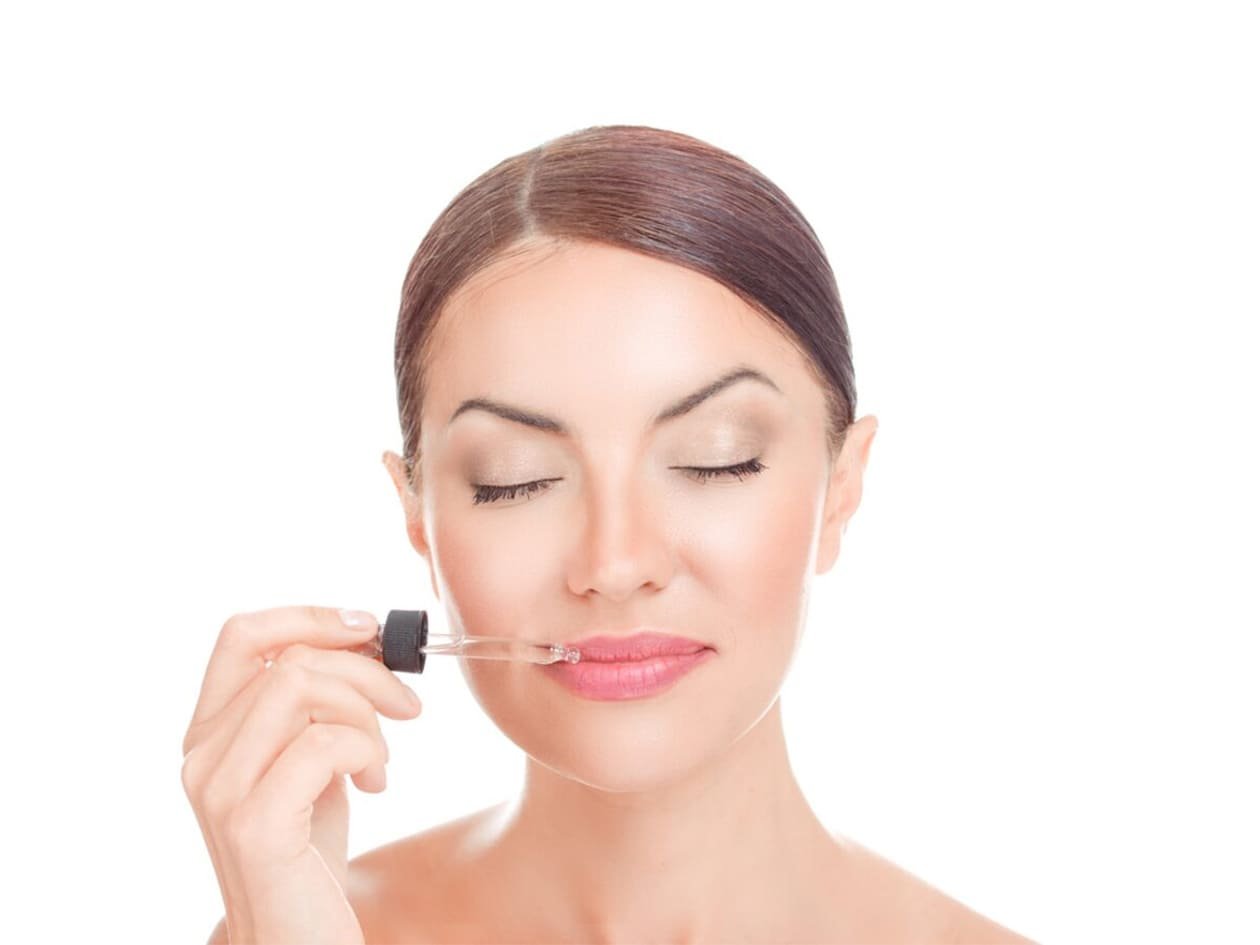
Your lips are constantly in motion — talking, eating, smiling, exposed to the wind, sunlight, and dry indoor air. Yet, they are also the most delicate skin on your face, thinner than any other area and lacking protective glands. That’s why regular lip balms often fall short. They coat the surface but rarely address the deeper causes of dryness, flakiness, or fine lines.
A lip serum is a lightweight, high-performance treatment created to deeply hydrate, smooth, and enhance the lips. Unlike traditional balms, it doesn’t just sit on the surface — it works to deliver moisture and nutrients beneath the top layer of lip skin. Think of it as a skin serum, but designed for your lips’ unique structure.
Lip serums are becoming the “smart skincare” of the lip world. With ingredients like hyaluronic acid, ceramides, and peptides, they don’t just improve hydration — they help reshape lip texture and contour over time. And if you’re a beauty brand or retailer, lip serums are a powerful product to stand out in a market that’s rapidly evolving toward advanced lip care.
How Does a Lip Serum Work?
Lip serums work through absorption, not occlusion. Instead of forming a thick barrier like a balm, they use ultra-fine molecules to deliver hydration and nutrients deep into the lip skin. The main players here are humectants, peptides, natural oils, and antioxidants.
When you apply a lip serum, humectants like hyaluronic acid draw water from the environment and lock it inside the skin. Peptides help strengthen the lip structure and reduce fine lines, while plant-based oils and ceramides restore the lipid barrier that keeps your lips soft and smooth.
The formula’s lightweight texture allows actives to penetrate rather than simply coat the lips. Over time, this improves elasticity, boosts color vibrancy, and makes lips look fuller — not because of irritation or swelling, but because they’re truly healthier.
How a Lip Serum Differs from Basic Moisturizers
| Function | Lip Balm | Lip Serum |
|---|---|---|
| Texture | Thick and waxy | Lightweight and fluid |
| Action | Forms a surface barrier | Penetrates to deliver active care |
| Duration | Short-term moisture | Long-term improvement |
| Target | Protection | Repair + Treatment |
| Common actives | Waxes, shea butter | Hyaluronic acid, peptides, ceramides |
Lip serums work best when used regularly, especially at night. While a balm gives instant relief, a serum creates gradual transformation. Many people notice that consistent use makes lipstick apply more evenly and fine lines less visible.
What Ingredients Should You Look for (and Avoid) in a Lip Serum?
When choosing or formulating a lip serum, ingredients make all the difference. Since lips lack oil and sweat glands, the skin can’t lubricate itself — it relies entirely on what you apply.
The best lip serums balance hydration, barrier repair, and protection. The key is combining humectants (which attract moisture), emollients (which soften), and actives that boost lip smoothness and volume.
Beneficial Ingredients
- Hyaluronic Acid – A moisture magnet that pulls water into the skin and visibly plumps the lips.
- Peptides – Support collagen production, improving firmness and reducing fine vertical lines.
- Ceramides – Strengthen the barrier and prevent moisture loss.
- Plant Oils – Jojoba, rosehip, and seabuckthorn replenish essential fatty acids for softness.
- Antioxidants – Vitamin E and botanical extracts protect from UV and pollution damage.
- Natural Butters – Shea or cocoa butter provide nourishment and a silky texture.
Ingredients to Avoid or Limit
- Harsh Fragrances or Dyes – These can cause irritation or pigmentation around sensitive lip skin.
- Strong Menthol or Cinnamon Extracts – While they offer a “plumping” feel, they often irritate.
- Heavy Waxes – Can block absorption of beneficial actives.
- Low-grade Mineral Oils – May create shine without offering true hydration.
Ingredient Matrix for Ideal Lip Serum
| Ingredient Type | Function | Example |
|---|---|---|
| Humectant | Deep hydration | Sodium Hyaluronate |
| Barrier lipid | Moisture retention | Ceramides, Shea Butter |
| Repair agent | Smooths and rebuilds | Peptides |
| Antioxidant | Protects from damage | Vitamin E |
| Botanical oil | Softens, nourishes | Jojoba, Rosehip |
| Soothing agent | Calms irritation | Aloe Vera, Panthenol |
A well-balanced lip serum formula usually includes at least one ingredient from each category. When developing a custom formula, think about the texture your market prefers (gel, oil, or emulsion) and which ingredients align with your brand claims like “vegan,” “natural,” or “anti-aging.”
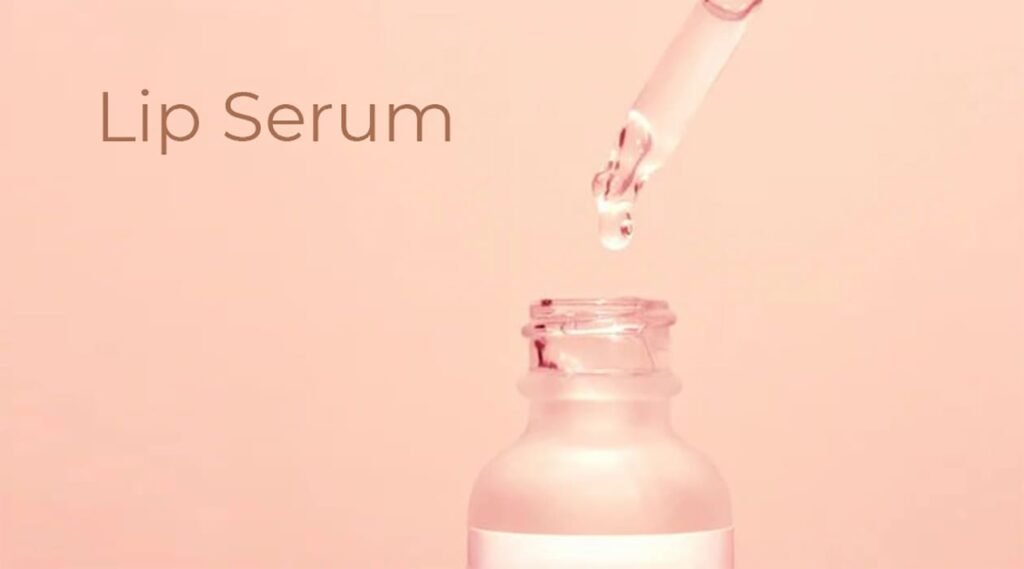
Which Lip Concerns Can a Lip Serum Address?
Lip serums are designed to treat multiple lip issues at once. Because they penetrate the skin’s outer layer, they can improve both appearance and feel.
The most common lip concerns a serum can help with include:
Dryness and Flakiness – Lack of natural oil means lips lose moisture quickly. Serums with humectants and oils restore water balance from within.
Fine Lines and Wrinkles – Regular use of peptides and ceramides helps smooth vertical lines and improve firmness.
Loss of Volume – Certain ingredients stimulate natural collagen and enhance lip fullness over time.
Dullness – Antioxidants and circulation-boosting oils can revive a healthy tone.
Irritation or Sensitivity – Soothing ingredients like aloe and panthenol reduce redness and strengthen the barrier.
Lip Concern vs Serum Solution
| Lip Concern | Recommended Active | Visible Benefit |
|---|---|---|
| Chronic dryness | Hyaluronic acid | Restores softness, hydration |
| Fine lines | Peptides, ceramides | Smooths surface, refines contour |
| Dull tone | Vitamin E, botanical oils | Brighter, more even lip color |
| Sensitivity | Panthenol, aloe | Comfort, reduced flakiness |
| Volume loss | Peptide blends | Subtly fuller appearance |
A key advantage of lip serums is how adaptable they are. Brands can target one or several of these issues depending on consumer needs — for example, “Overnight Repair Serum” for hydration, or “Plump & Glow Serum” for instant volume and shine.
Do You Need a Lip Serum If You Already Use Lip Balm?
Both products have their place, and they complement each other beautifully.A lip balm mainly protects by sealing the surface. It’s great for preventing moisture loss, especially in harsh climates. But once lips are already dry or lined, a balm alone won’t fix it — it lacks the active components to repair deeper layers.A lip serum, on the other hand, penetrates and treats. It improves hydration from the inside out and supports long-term health. Together, they form an ideal duo: serum first for treatment, balm second for protection.
Layering for Best Results
Start with clean lips. Remove lipstick or residue.
Apply a thin layer of serum. Let it absorb for 1–2 minutes.
Seal with balm or lip mask. This locks in the active ingredients.
Use twice daily. Morning and night provide consistent results.
Common Mistakes to Avoid
- Applying serum over heavy balm — prevents absorption.
- Using plumping serums on cracked lips — can cause stinging.
- Skipping SPF balm during the day — UV rays easily damage lips.
- Using expired or contaminated products — lips are sensitive to bacteria.
Lip Balm vs Lip Serum at a Glance
| Feature | Lip Balm | Lip Serum |
|---|---|---|
| Main purpose | Protection | Treatment |
| Layer order | After serum | Before balm |
| Texture | Thick | Light and smooth |
| Effect duration | Short-term | Cumulative |
| Ideal time | Daytime, outdoor | Nighttime or under makeup |
Balms are like jackets; serums are nutrition. You need both for healthy, youthful lips.
How Should You Use a Lip Serum — Application Tips and Mistakes to Avoid
Lip serums deliver results only if used correctly and consistently. The way you apply them can affect how well ingredients work.
Step 1: Exfoliate once or twice a week. Removing dead skin cells helps active ingredients absorb better.
Step 2: Apply to clean, dry lips. Even trace amounts of lipstick or balm can block penetration.
Step 3: Use sparingly. A single drop covers both lips. Too much product won’t increase benefits.
Step 4: Let it sink in. Wait about a minute before layering anything else.
Step 5: Protect during the day. Follow up with a balm containing SPF 15 or higher.
Night-Time Routine Example
| Step | Product | Purpose |
|---|---|---|
| 1 | Gentle lip scrub | Smooth surface |
| 2 | Lip serum | Deep hydration and repair |
| 3 | Overnight balm | Seal and maintain moisture |
Most users see visible improvement after 2–3 weeks of consistent use. The key is patience — lips renew slower than facial skin, so deep recovery takes time.
Avoid overuse of plumping serums or heating ingredients. Mild tingling is fine, but persistent burning means irritation. Also, avoid licking your lips — saliva evaporates fast and worsens dryness.
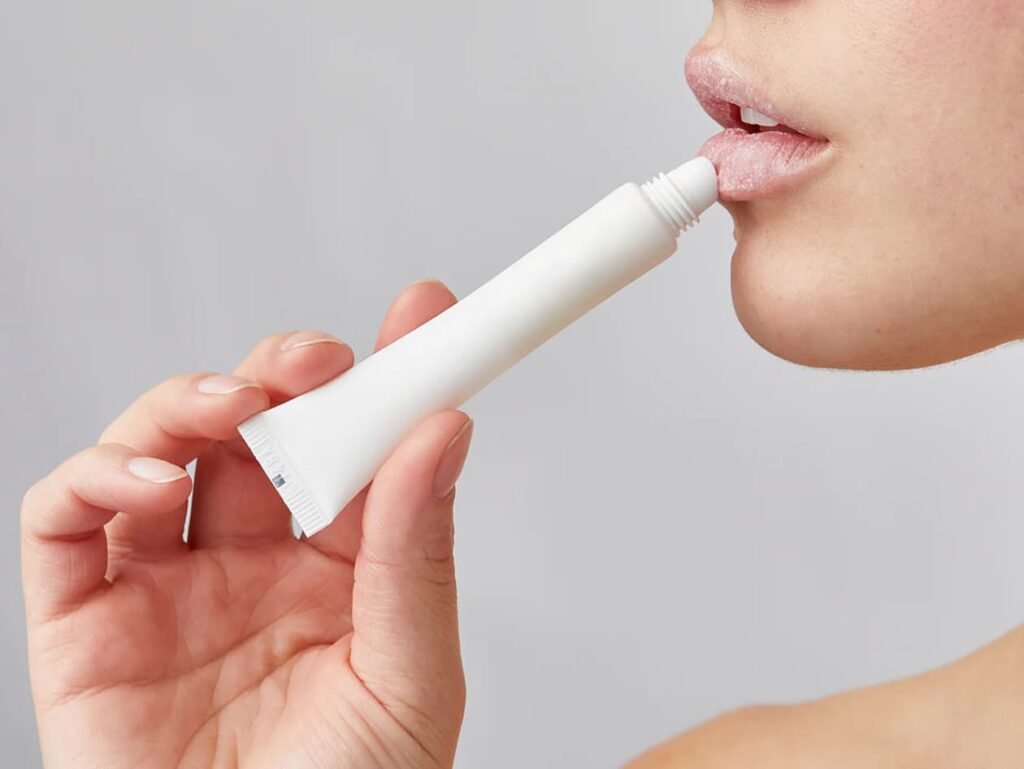
Is Custom and Private-Label Lip Serum Production Worth Considering for Your Brand?
If you’re a skincare entrepreneur, distributor, or beauty retailer, lip serums represent an exciting opportunity. Consumer demand for advanced, treatment-based lip care has grown steadily over the past few years. Many people now treat lips like they treat their skin — expecting active ingredients, results, and luxury textures.
Working with an experienced OEM/ODM manufacturer lets you create a product that aligns perfectly with your brand image. Instead of reselling generic balms, you can offer a lip serum that’s uniquely yours.
Benefits of Developing Your Own Lip Serum
- Market Differentiation – Few brands offer truly effective, active-rich lip serums. A custom formula helps you stand out.
- Higher Profit Margins – Premium treatment products can command higher price points.
- Brand Identity – Custom fragrance, packaging, and formula strengthen recognition.
- Flexibility – Choose between oil-based, gel-based, or hybrid textures.
- Consumer Loyalty – When a serum delivers real results, repeat purchase rates rise.
Key Aspects to Consider When Partnering with a Factory
| Area | What to Check | Why It Matters |
|---|---|---|
| Experience | Years in skincare manufacturing | Ensures technical know-how |
| Customization | Formula + packaging flexibility | Enables unique brand positioning |
| Quality Control | GMP certification, testing | Guarantees product safety |
| MOQ | Minimum order quantity | Determines your launch scale |
| Design Support | Label and packaging design | Saves creative cost |
| Sample Testing | Free sample trials | Confirms texture and performance |
A reliable partner like Zerun Cosmetic offers all of these. With many years of skincare manufacturing experience, they provide flexible customization, free sample testing, and packaging design assistance. Their clients range from small overseas sellers to established high-end brands.
By collaborating with such a manufacturer, you can define your lip serum’s hero ingredient — for example, vegan peptides, collagen boosters, or antioxidant oils — and develop a product that genuinely reflects your brand values.
Strategic Tips Before You Launch
- Define your target audience — Is it young users seeking glossy plump lips or mature consumers wanting anti-aging repair?
- Decide on your brand positioning — luxury spa treatment or affordable everyday care?
- Ensure compliance — label ingredients according to export destination (EU, USA, or Asia).
- Use sustainable packaging — glass droppers or recyclable tubes enhance brand reputation.
- Offer trial-size samples — a strong way to convert hesitant buyers.
Launching a custom lip serum can position your brand as innovative and professional. In a crowded lip care market, originality and performance sell.
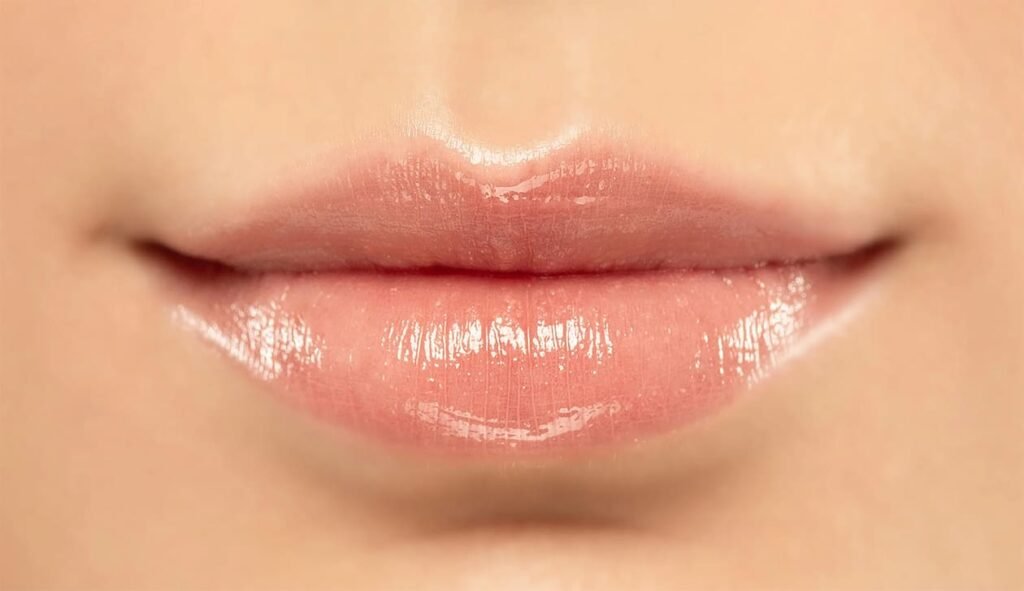
Are There Any Risks or Limitations Associated with Lip Serums?
Lip serums are generally safe, but like all skincare, they’re not one-size-fits-all. Knowing the possible downsides helps manage consumer expectations and prevents returns or complaints.
Common Risks
- Over-Exfoliation or Overuse – Using too many actives (especially acids or retinoids) near the lips may cause sensitivity.
- Allergic Reactions – Even natural ingredients can trigger allergies in sensitive users. Always recommend patch testing.
- Irritation from Plumping Agents – Capsaicin or menthol can cause redness and burning if over-concentrated.
- Pigmentation Issues – Overstimulation or poor formulation may darken lips in some users.
- Storage Instability – Formulas high in natural oils or water can separate or oxidize if not preserved correctly.
How to Minimize Risks in Manufacturing
| Stage | Preventive Measure | Benefit |
|---|---|---|
| Formulation | Avoid over-potent irritants | Gentle on lips |
| Testing | Conduct stability & safety checks | Ensures long shelf life |
| Packaging | Use air-tight droppers or pumps | Prevents contamination |
| Labelling | Include clear directions | Reduces misuse |
| Communication | Educate consumers | Builds trust and satisfaction |
Brands should also educate customers that lip serums are not instant “lip fillers.” Their effects are gradual and restorative, not cosmetic procedures. When used consistently, however, results are real and sustainable.
Conclusion
Lip serums represent the next evolution in lip care — not just protection, but real treatment. They hydrate, smooth, and strengthen one of the most delicate parts of the face while fitting effortlessly into any routine. Whether you’re a consumer searching for a better solution to dryness or a brand owner exploring new market opportunities, understanding how lip serums work opens the door to smarter choices.
For beauty entrepreneurs, this product category offers an especially attractive niche. By working with an experienced skincare manufacturer such as Zerun Cosmetic, you can develop your own private-label lip serum that captures your brand’s essence — from clean vegan formulations to luxurious plumping blends. Zerun Cosmetic provides free design support, free samples, and a full suite of customization options to help your product launch succeed. Reach out to Zerun Cosmetic Factory and turn your vision into a reality — your future best-selling lip care product might begin here.